
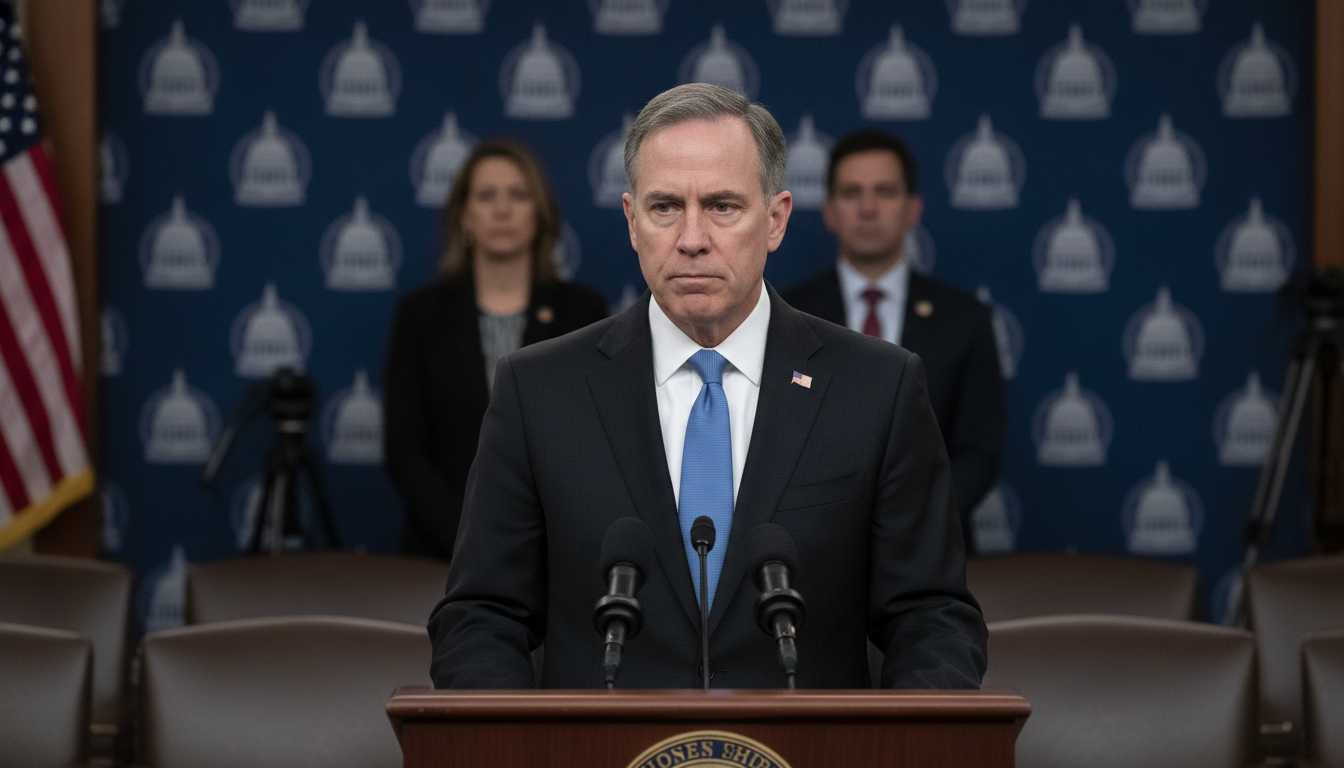
Sheldon Whitehouse Warns US Is Becoming ‘Worst‑Behaved’ Country Over Iran War
Senator Sheldon Whitehouse says US foreign policy is damaging global standing amid a mishandled Iran campaign and strained ties with Israel.
Senator Sheldon Whitehouse on Sunday delivered a forceful critique of contemporary US foreign policy, saying the United States risks being seen as one of the world’s “worst‑behaved” countries. Whitehouse made the remarks during a broadcast interview in which he argued that the handling of the Iran conflict and the close relationship with Israel have undercut US credibility abroad. His comments have reopened debate about the direction of American diplomacy and the domestic political consequences of the administration’s approach.
Whitehouse’s Central Claim
Senator Whitehouse told an interviewer that Americans who voted for the current president are witnessing a “wholesale violation” of promises to avoid unnecessary wars. He said the public rhetoric that promised restraint is at odds with policy choices that have led to deeper military engagement in the region. The senator described decision‑making around the Iran conflict as both incompetent and dishonest, a charge aimed at senior policymakers and advisers involved in the campaign.
Whitehouse also said that foreign leaders increasingly treat the United States like other problematic actors on the global stage, citing allegations of side deals, requests for personal favors, and transactional diplomacy. He warned that such perceptions erode long‑standing norms that once defined US conduct in international affairs.
Assessment of Iran Conflict Management
Whitehouse directly criticized how officials have managed the confrontation with Iran, arguing the strategy lacks coherence and transparency. He contended that operational choices have appeared improvised rather than the product of a clearly articulated policy objective. The senator characterized the conduct as a mismanagement that has amplified regional instability and raised questions among allies about US reliability.
He also suggested that missteps in escalation control risk drawing the United States into wider conflict without a clear exit strategy. Whitehouse’s remarks underscore a broader concern among some lawmakers and analysts that tactical gains are being prioritized over a sustainable political outcome.
Comments on Israel and Netanyahu
In his interview, Whitehouse said Israeli Prime Minister Benjamin Netanyahu has “not been a good friend,” reflecting frustration with the bilateral dynamic. The senator accused Israeli leadership of complicating diplomacy by advancing its own interests in ways that have strained coordination with Washington. Whitehouse’s critique points to growing tensions within the alliance over strategy in the Middle East and the handling of Iran‑related threats.
He framed the Israel relationship as symptomatic of transactional diplomacy, where private arrangements and favors risk supplanting transparent, rule‑based cooperation. That assessment is likely to intensify discussions in Congress about conditionality, oversight, and the instruments the US uses to support partners.
Diplomatic Consequences and Global Perception
Whitehouse warned that the cumulative effect of recent policies is a reputational decline that could alter how other capitals engage with Washington. He said countries that once deferred to US leadership are increasingly responding to pragmatic incentives rather than shared principles. The senator’s comments suggest allies may seek alternative partners or hedge their positions in response to perceived unpredictability.
Diplomats and foreign policy experts have long warned that credibility is built over time and easily lost in moments of apparent improvidence. Whitehouse’s remarks add weight to those warnings and signal a possible bipartisan impulse to reassess how the United States projects power and influence.
Political Reactions and Domestic Debate
Whitehouse’s critique has already injected fresh momentum into domestic debates over the scope of US military involvement and the need for congressional oversight. Lawmakers from both parties have raised questions about the administration’s legal and strategic authority to conduct operations related to Iran. The senator’s framing — that promises of restraint have been broken — is likely to be used by opponents to press for hearings and policy reviews.
At the same time, supporters of the current policy argue that firm action is necessary to deter threats and protect regional partners. That counterargument underscores the broader political tension between urgency in response to perceived threats and the long‑term costs of militarized approaches.
Implications for US Alliances and Policy Direction
If Whitehouse’s warnings resonate with other policymakers, the outcome could include renewed efforts to strengthen diplomatic channels and reassert rules‑based cooperation. Congress may seek greater role in shaping or constraining operations related to Iran, and the executive branch could face pressure to improve coordination with allies. International counterparts will be watching closely to see whether assertions of transactional diplomacy prompt structural changes in how the US conducts foreign policy.
Any shift would need to address both the immediate security calculus and the underlying diplomatic trust that sustains alliances. Rebuilding that trust, Whitehouse implied, will require clearer strategy, more consistent behaviour, and greater transparency.
The senator’s remarks have reopened a national conversation about the direction of American foreign policy and the costs of a transactional approach to alliances. Policymakers in Washington and capitals abroad will now be assessing whether those comments mark a turning point in efforts to recalibrate US engagement in the Middle East and beyond.
