
Flights resume at Tehran airport as ceasefire holds, easing travel disruption
Flights resume at Tehran airport as a ceasefire holds; increased departures ease travel disruption and signal a cautious recovery for the capital and trade.
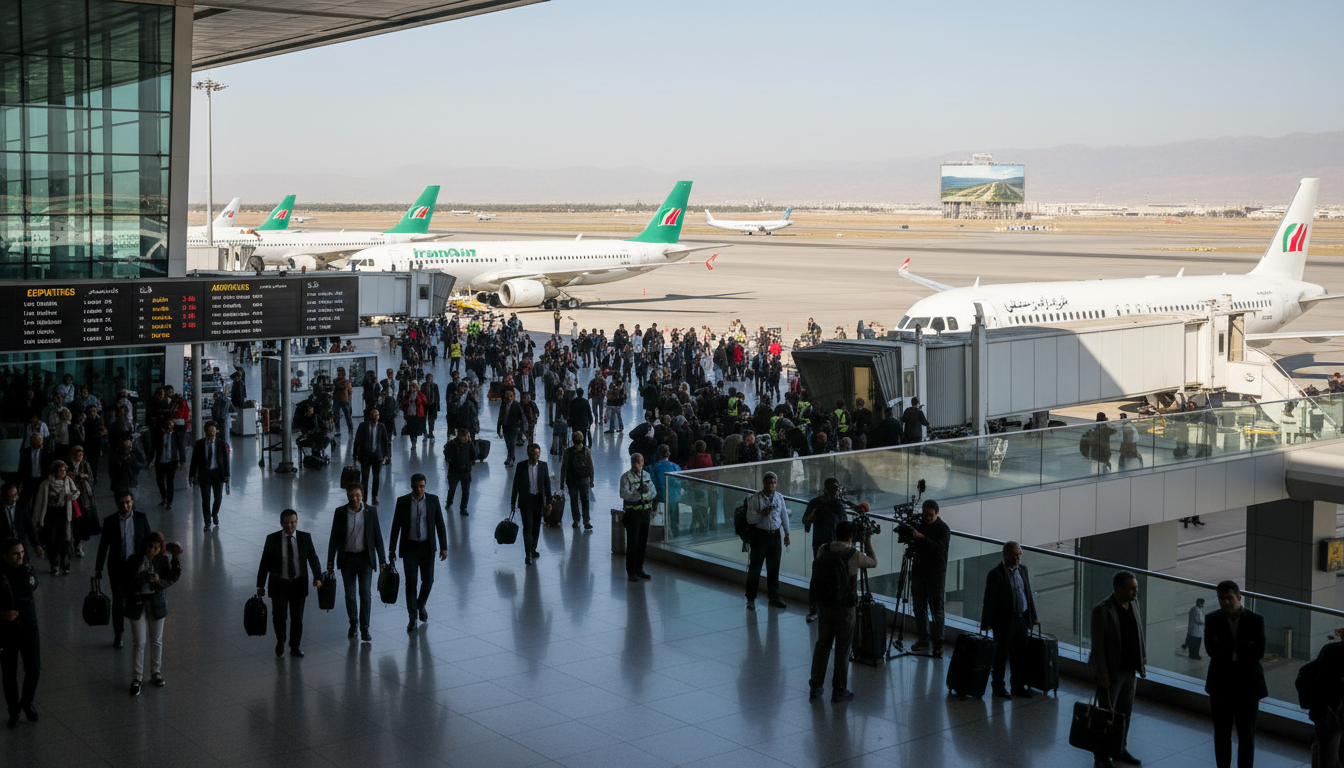
Tehran’s main airport saw more aircraft taking off on Saturday, April 25, 2026, as operations resumed following a temporary halt, Al Jazeera correspondent Tohid Asadi reported. Flights resume at Tehran airport amid a ceasefire involving the United States and Israel, with passengers and carriers cautiously restoring schedules. The uptick in departures and arrivals is the first clear sign of normalising air traffic to the Iranian capital since the recent escalation.
Resumption of air services on April 25
Airport operations restarted on Saturday, April 25 after a pause linked to regional hostilities, according to field reports. Airlines began operating limited flights, prioritising key domestic and a small number of international routes as security assessments continued.
Airport staff and ground handlers worked through the day to manage a backlog of passengers and cargo, with departures gradually increasing into the evening. Officials at the site described the restart as measured and conditional on continued calm across the region.
On-the-ground observations by Al Jazeera
Al Jazeera’s Tohid Asadi, reporting from the capital, documented a noticeable rise in take-offs compared with the prior days of disruption. Observers noted that commercial jets and smaller carriers were lining up for clearance as air traffic control restored routine sequencing.
Passenger reactions ranged from relief to caution, with many describing the return of services as welcome but fragile. Flight crews and airline representatives told reporters they were monitoring the ceasefire developments closely before committing to fuller timetables.
Airlines and routes restarting cautiously
Several carriers reintroduced flights on core domestic routes and selected international services, focusing on essential connections that serve business and family travel. Schedules remained reduced, and airlines warned that further changes could occur if the security picture shifts.
Industry sources said carriers are coordinating with civil aviation authorities to prioritise aircraft and crew rotations, as well as to ensure passenger safety measures remain in place. Cargo movements also began to resume, addressing immediate supply chain needs for food, medicine and industrial goods.
Government and airport authority statements
Local airport authorities confirmed a phased reopening and said operations would expand based on continuous security assessments and guidance from national regulators. Statements emphasised that safety remained the top priority while efforts were made to clear flight backlogs.
Transport ministry officials urged passengers to check with their airlines for the latest schedules and advised arriving at the airport earlier than usual. Authorities also highlighted contingency plans for further disruptions and reiterated protocols for emergency communication.
Economic and humanitarian implications
The resumption of flights carries economic significance, easing pressure on businesses that rely on air freight and restoring vital links for expatriates and families. Analysts noted that even partial service restarts can reduce the immediate economic cost of flight suspensions in Tehran and beyond.
Humanitarian and medical transport was singled out as a priority, with aid and critical supplies moving once corridors were declared secure. Observers cautioned, however, that a sustained recovery in passenger volumes depends on continued stability and clear international guidance for carriers.
Security outlook and international response
The ceasefire involving the United States and Israel has so far allowed for a tentative return to scheduled flights, but regional and diplomatic sources say the truce remains fragile. Military and diplomatic channels are reportedly maintaining close contact to prevent renewed escalation and to manage the conditions that allowed airports to reopen.
International airlines have indicated they will proceed cautiously, balancing commercial imperatives with risk assessments from insurers and aviation authorities. Any deterioration in the ceasefire terms could prompt rapid changes to flight permissions and airspace restrictions.
Passenger confidence and airline scheduling will be tested in the coming days as more information about the ceasefire’s duration becomes available. Monitoring by international aviation bodies and local authorities will determine the pace at which full services can be restored.
The return of aircraft to Tehran’s skies on April 25 marked an early step toward normalising travel after days of interruption, but officials and carriers repeatedly stressed that the situation remains conditional on continued calm.
