
The Hague Coolcation: Northern Beaches Attract Tourists Escaping Europe’s Heat
Tourists seeking milder summers are choosing a coolcation in The Hague, boosting overnight stays and prompting the city to manage growth while preserving its character.
Sunny Scene on the North Sea
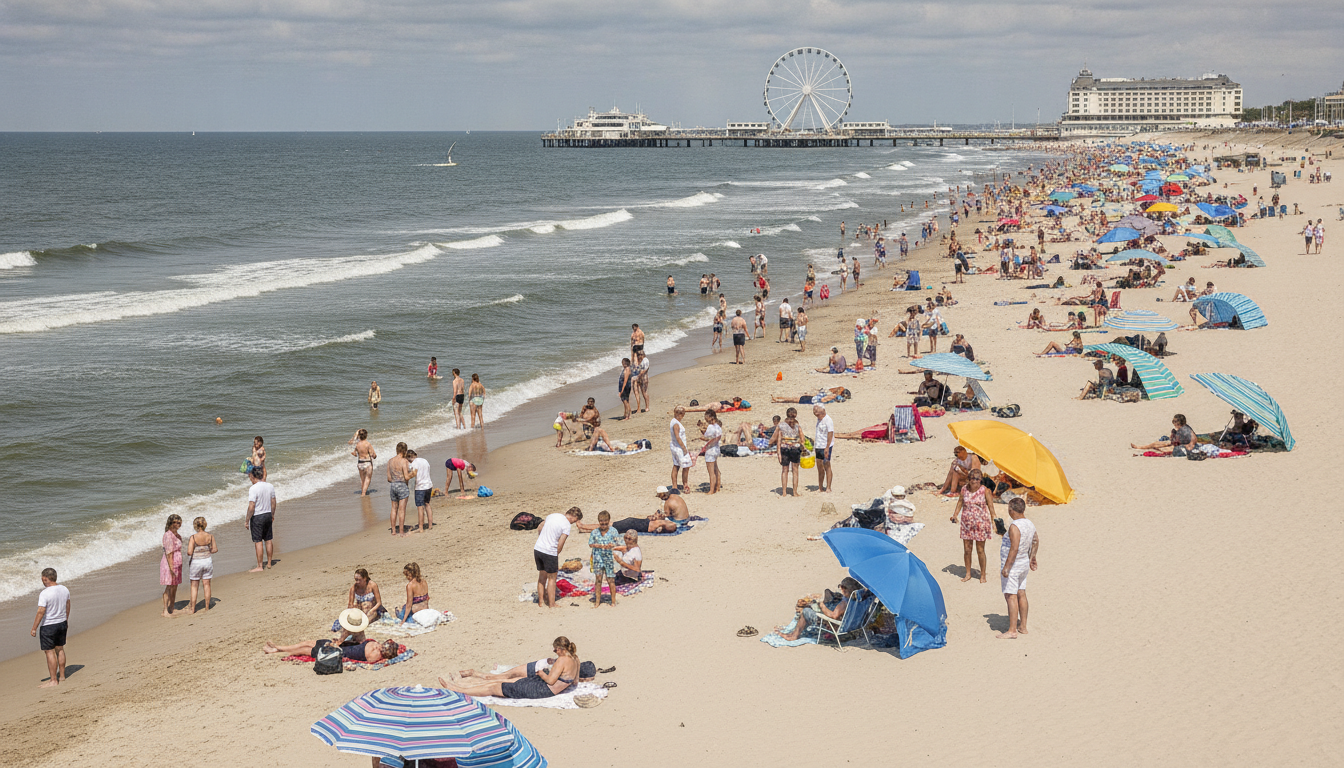
A stretch of sand, sailboats on the horizon and steel-drum music now compete with images of sweltering Mediterranean beaches in European holiday planning. Visitors lounge under umbrellas, take surf lessons and dine at seaside restaurants, drawn by temperatures that typically hover well below the continental heat waves. For many travelers from Rome, Madrid and Paris, The Hague offers a beach experience without the extreme heat that has baked large parts of southern Europe.
Rising Visitor Numbers and New Markets
City figures show overnight stays in The Hague have climbed by nearly 60 percent over the past decade, with recent growth coming from southern European markets. Data provided by local authorities indicate visits from Italy and Spain rose about 9 percent in the last two years, while overall arrivals increased roughly 7 percent in the same period. Tourism officials say the city is seeing a widening mix of nationalities beyond its traditional Dutch and German audiences.
Why Travellers Are Choosing Cooler Shores
A growing share of Europeans are seeking destinations with milder summer weather, research by continental tourism bodies suggests, and northern coastal cities like The Hague are benefitting. Heat waves that push temperatures above 40°C in parts of Spain, Italy and France have made the prospect of a “coolcation” increasingly appealing. Many visitors now plan trips to the North Sea coastline precisely to avoid the intense heat farther south.
Municipal Rules to Prevent Overtourism
City leaders have adopted a cautious stance toward rapid tourism expansion, implementing limits on short-term rentals and restricting large-scale hotel approvals. Officials say the measures are designed to protect the city’s “high-class” image and avoid overcrowding similar to that seen in nearby destinations. Marketing budgets focus on off-peak attractions such as autumn surf championships and winter markets rather than heavy summer promotion, reflecting a deliberate strategy to spread demand across the year.
Beach Culture and ‘Style Seekers’
The emergent beach scene is tailored to visitors seeking quality rather than mass-market amenities, industry figures say. Beach clubs and restaurants emphasize seafood, refined menus and a relaxed, elegant atmosphere that local operators describe as attracting “style seekers.” Surf schools and trendy bars coexist with family-oriented piers and traditional brasseries, creating a varied coastal offer that appeals to both regional regulars and new international visitors.
Businesses Reporting Growth — and Climate Signals
Gallery directors, restaurateurs and surf instructors report steady bookings and busier weekends, while museums occasionally sell out weeks in advance. At the same time, locals note environmental changes: heat has pushed grasses brown in public squares and contributed to fires elsewhere in the country. Business owners see the tourism uptick as an economic opportunity but also acknowledge the need for sustainable management as weather patterns shift.
Residents and officials emphasize maintaining balance as the profile of visitors changes. City marketing aims to attract quality tourism in shoulder seasons rather than overwhelming the summer months, and local policies limit the expansion of short-term accommodation to protect neighborhoods. The approach is intended to preserve the character of The Hague while allowing the economy to benefit from an influx of people seeking a cooler seaside alternative.
The Hague’s combination of sandy beaches, cultural institutions and moderated summer temperatures has reshaped its appeal for travellers disenchanted with extreme heat, and city leaders are working to steer growth in ways that protect both residents and the visitor experience.
