
Tim Hortons franchise lawsuit: 15 Quebec owners seek CA$27 million over pricing, loyalty and contract disputes
Quebec franchisees sue for CA$27M alleging Tim Hortons’ pricing and policies cut profits; company seeks dismissal and reveals pricing clusters and loyalty data.
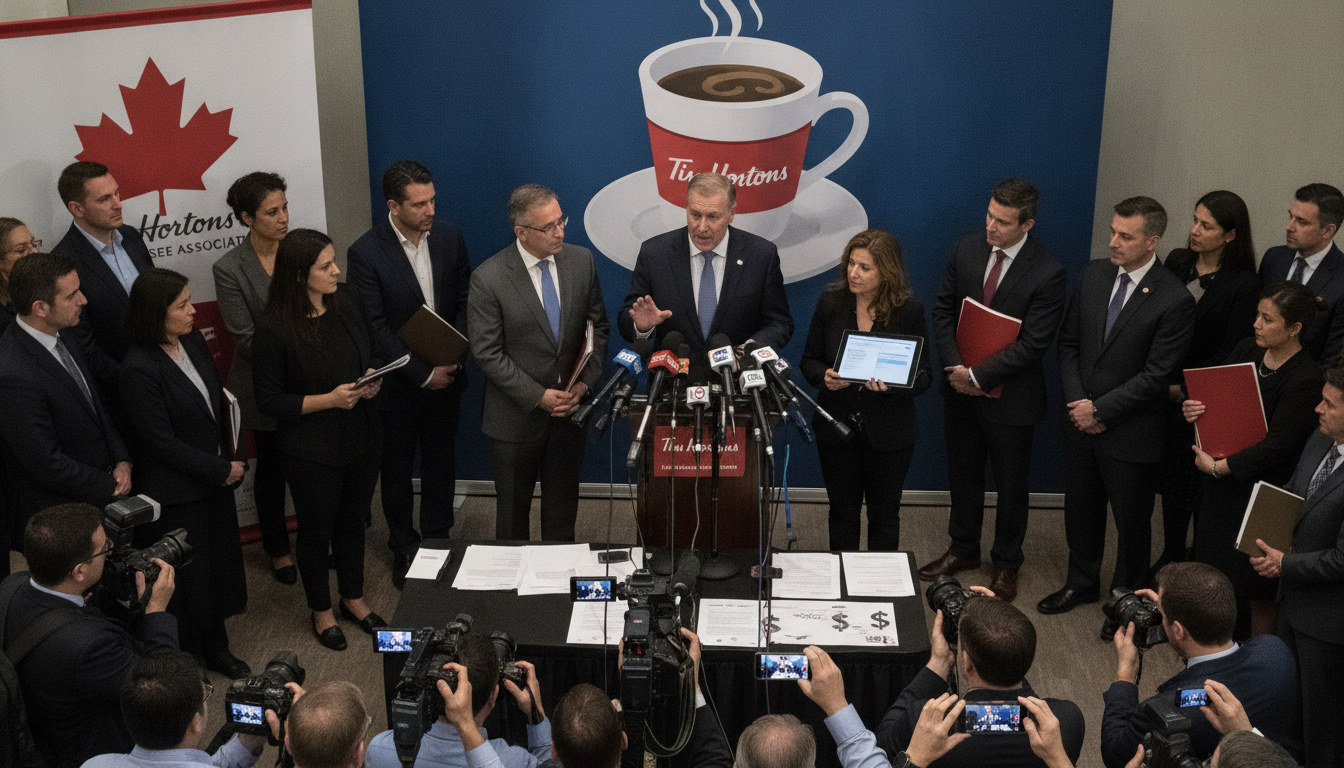
Tim Hortons franchise lawsuit: 15 Quebec franchise holders have launched a CA$27 million claim against the coffee chain, alleging company policies and practices deprived them of expected profits. The suit, filed in March 2024 in the Quebec Superior Court, accuses the brand of limiting owners’ ability to set prices and imposing contractual obligations that eroded margins. In response, Tim Hortons has moved to dismiss the case and, in doing so, disclosed internal pricing strategies and loyalty programme metrics that have become central to the dispute.
Court filing and the core demand
In March 2024, a group of 15 franchisees sought approximately CA$27 million in damages, asserting that corporate decisions constrained their revenue and profitability. The plaintiffs say their losses stem from fixed pricing controls, mandatory supplier arrangements, and ongoing fees that together reduced operating income. Tim Hortons contests those claims and argues the franchisees’ figures overstate losses and misinterpret the franchise agreement.
Tim Hortons seeks dismissal and details pricing system
In a recent filing asking the Superior Court to dismiss the suit, Tim Hortons outlined the mechanics of its national pricing approach. The company says Canada is divided into 62 “price clusters” where it adjusts menu prices based on local competition, labour costs, demographics and customer traffic. The filing states prices are tested quarterly and set to maximise revenue without driving customers to competitors, a system the company describes as balancing competitiveness with profitability.
Price increases in Quebec outpaced general inflation
Tim Hortons’ submission to the court highlights that between 2021 and 2024 general inflation rose by about 18.4 percent while prices at Tim Hortons locations in Quebec increased by roughly 21.1 percent. The franchisees argue their inability to control local pricing contributed to reduced margins when costs rose. Tim Hortons counters that dynamic pricing, combined with cluster-based adjustments, was necessary to respond to local market conditions and preserve sales volumes.
Loyalty programme shown as ‘self-funded’ and revenue impact
The company’s court documents also examined the financial impact of its Tims Rewards loyalty scheme introduced in 2019. Tim Hortons claims a mix of price increases and changes to loyalty benefits rendered the reward programme “self-funded” within a year of launch, meaning participating customers effectively covered the cost through adjusted pricing. Franchisees have said loyalty benefits and changing reward structures affected transaction values and customer behaviour, influencing their receipts and margins.
Franchise agreement obligations and recurring fees
The filing reproduces long-standing franchise contract provisions that franchise owners say place substantial ongoing costs on operators. Those obligations include mandatory purchases from approved suppliers, annual repainting and five-year renovations, weekly royalty remittances with penalties for late payments, and monthly marketing contributions. Franchisees also must pay for local store openings and have limited input over how pooled advertising funds are used, points they say reduce their operational flexibility.
Staffing responsibilities and temporary worker figures
While Tim Hortons maintains control over pricing and supply chains, the chain delegates hiring and payroll responsibilities to local franchise owners. The company acknowledged in the filing that a portion of its workforce operates under temporary work permits and disclosed that about 4,000 of roughly 110,000 employees in its outlets were on such permits. Tim Hortons has since launched a public campaign to encourage hiring of 10,000 local team members, saying the figure was suggested by an advisory council of franchise owners and that thousands have enrolled in training since the promotion began.
The legal fight places a spotlight on the tensions inherent in franchise models where brand-level strategy and local ownership intersect. Franchisees argue that the contractual framework and centralized decisions have left them bearing disproportionate costs, while Tim Hortons maintains that its systems for pricing, supply and marketing are designed to protect both brand value and restaurant-level sales. The Quebec Superior Court will now consider the motion to dismiss as the parties await further proceedings.
