
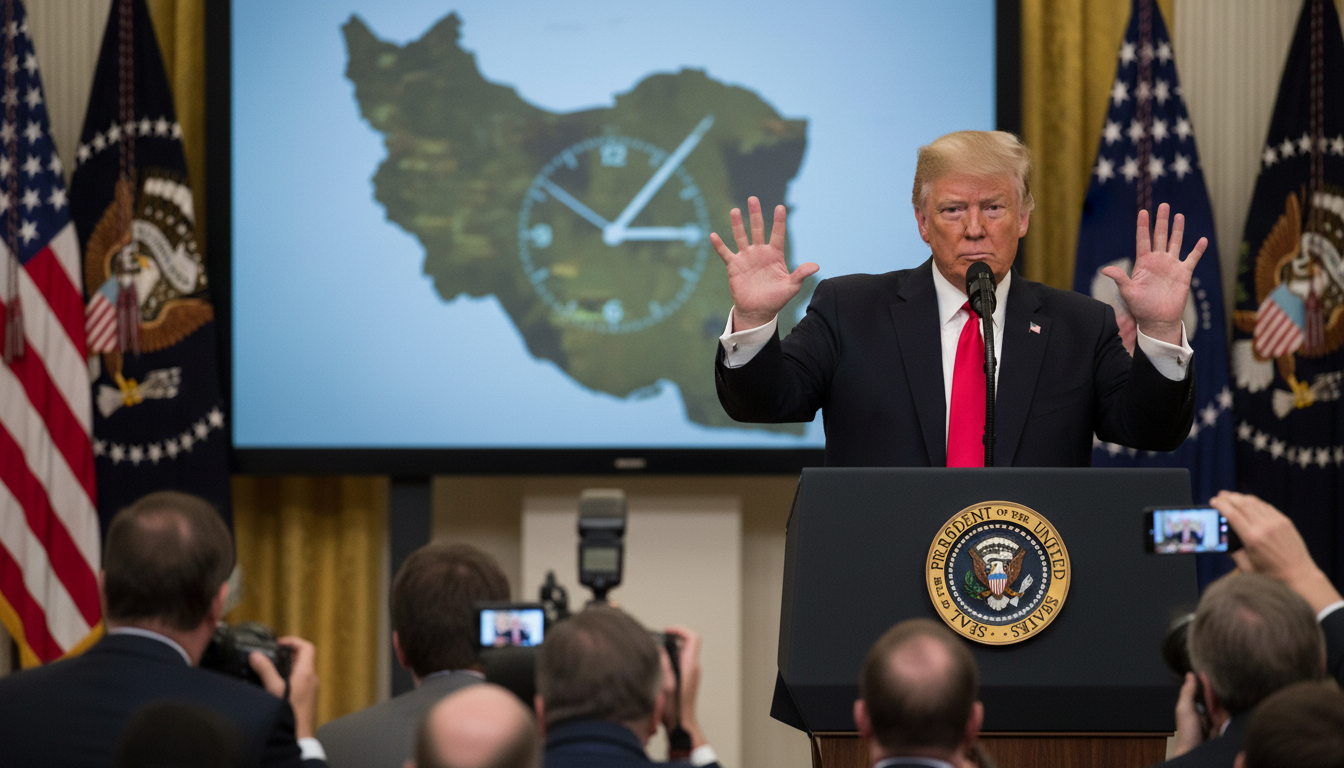
Trump Iran ceasefire: White House signals 3–5 day temporary truce offer
A U.S. official told Reuters on April 22, 2026 that Trump is prepared to offer Iran a short 3–5 day ceasefire window, but the pause will not be open-ended.
U.S. Signals Short Ceasefire Window
A senior U.S. official, speaking to Reuters on April 22, 2026, said President Trump is prepared to grant Iran a limited ceasefire of between three and five days. The source added that the pause would be strictly time-bound and “will not be open,” indicating limits on extensions. The announcement frames a narrow window for de-escalation while keeping pressure on Tehran to accept specific conditions.
The official’s description stressed that the offer is conditional rather than indefinite. The statement does not detail demands or verification mechanisms, but it underlines Washington’s preference for a short, managed interruption in hostilities rather than a permanent armistice.
White House Conditions and Limits
U.S. officials told reporters the proposed window aims to halt immediate violence and create time for diplomatic engagement. The administration has emphasized that any ceasefire would likely be tied to verifiable steps and concrete commitments from Iran. Officials have signaled they will not allow the pause to be used simply to regroup without concessions.
Legal and political constraints at home also shape the approach, according to current and former administration officials familiar with deliberations. The limited timeframe reflects a balance between the desire to prevent further escalation and the need to maintain leverage in ongoing negotiations.
Regional Diplomatic Calculus
Gulf states and other regional partners are expected to monitor the development closely as the ceasefire window could affect civilian safety and regional stability. Capital cities from Abu Dhabi to Riyadh will be assessing how a temporary truce influences security calculations and humanitarian access. Diplomatic channels in the region have been active in recent days, pressing for measures that reduce immediate risks to civilians.
European and U.N. diplomats have also urged steps to de-escalate fighting, while cautioning that short pauses need robust monitoring to prevent renewed hostilities. International actors view a limited ceasefire as an opening for talks, but they stress the need for clear verification and follow-up steps.
Security and Military Implications
A three- to five-day cessation in active operations would impose short-term operational pauses for both sides, potentially allowing for casualty evacuation and the delivery of humanitarian aid. Military planners on all sides will likely use the interval to reassess posture, intelligence collection, and force disposition. Analysts caution that brief pauses can be tactically useful but do not resolve underlying strategic disputes.
Commanders and operations centers will need rapid, reliable mechanisms for verifying compliance during the window if it proceeds. Absent robust monitoring and enforcement, short ceasefires can quickly break down, with renewed strikes reopening the cycle of escalation within hours or days.
Possible Next Steps and Timeline
If Iran accepts a limited truce, diplomats say the immediate next steps would focus on verification arrangements and humanitarian corridors. Negotiators would likely seek to convert the pause into a framework for broader talks, though that transition would require sustained diplomatic engagement. Time-limited pauses are often followed by shuttle diplomacy aimed at translating a temporary halt into longer-term outcomes.
If Iran rejects the offer, officials warn that Washington may resume pressure or pursue other measures to achieve its objectives. The Trump administration’s statement that the pause “will not be open-ended” suggests contingency plans are in place for a range of responses depending on Tehran’s decision.
The source framed the proposal as an attempt to create breathing space without relinquishing leverage. Washington’s readiness to offer a short ceasefire reflects an interest in reducing immediate harm while keeping options open for further action.
The coming days will be critical in determining whether the proposed 3–5 day window leads to a meaningful pause or remains a brief diplomatic overture.
