
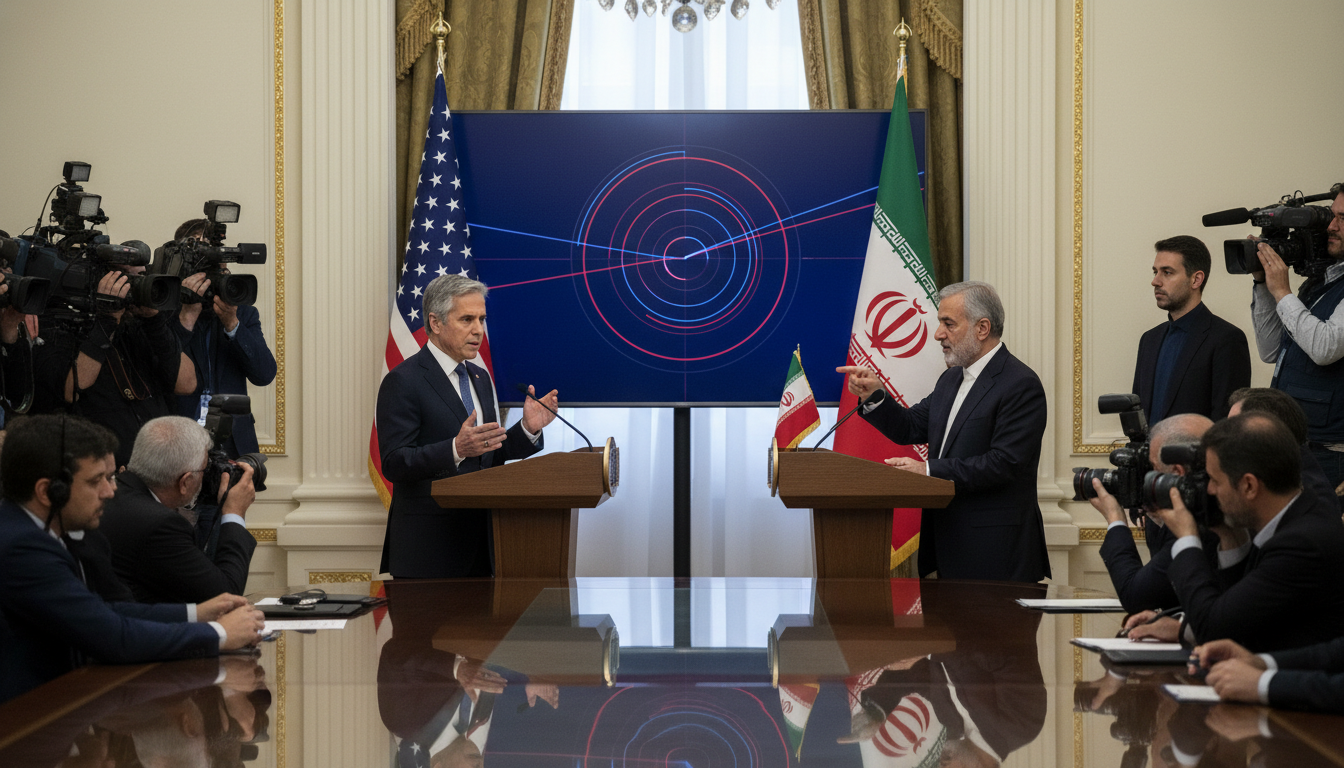
U.S.-Iran peace deal prospects dim after U.S. strikes; Tehran warns of forceful response
American strikes on Iranian sites have cast doubt on a U.S.-Iran peace deal; Tehran called the attacks a breach of the ceasefire as negotiators met in Doha to salvage terms.
The prospect of a U.S.-Iran peace deal to end hostilities and reopen the Strait of Hormuz was thrown into uncertainty after U.S. forces struck missile launch sites and vessels this week, prompting strong warnings from Iran’s leadership. U.S. officials described the strikes as defensive actions taken after observing Iranian activity near missile sites and attempted mine placements. Iran’s supreme leader and the Islamic Revolutionary Guard Corps said they would respond, and diplomats warned that differences over nuclear and security terms threatened to derail the fragile negotiations.
U.S. strikes described as defensive by Pentagon
U.S. Central Command characterized recent strikes on Iranian-linked targets as defensive measures taken in response to observed threats, according to administration officials. The strikes targeted missile launch positions and boats suspected of attempting to emplace naval mines in regional waters.
U.S. spokespeople have said the operations were aimed at preventing imminent attacks, while declining to provide a detailed timeline. The moves followed weeks of heightened tensions that included a naval blockade and repeated strikes between Tehran-backed forces and U.S. assets in the Gulf.
Tehran condemns raids and issues stern warnings
Iran’s foreign ministry accused the United States of violating the cease-fire agreement, and state messaging from Tehran framed the strikes as provocative and unlawful. The country’s supreme leader warned that American bases in the region were no longer safe, signaling a hardening posture.
The Islamic Revolutionary Guard Corps said it would respond “forcefully” to what it called aggression, and Iranian officials cautioned that they would defend national integrity. At the same time, Tehran’s lead negotiator returned from talks in Doha, suggesting Iran remained engaged in diplomacy despite the rhetoric.
Qatar hosts fragile talks as text negotiations continue
Senior Iranian delegates convened in Doha amid mediation efforts intended to translate a framework into a binding accord, with Qatari officials acting as intermediaries. U.S. representatives and regional partners have been involved in back-and-forth negotiations over specific language in the initial document.
Diplomats on both sides described the process as detailed and delicate, with negotiators spending days negotiating wording on provisions that remain contentious. Officials said progress depended on ironing out differences about security guarantees, timelines and verification mechanisms.
Nuclear constraints and the Strait of Hormuz remain unresolved
A core stumbling block in the talks is how to handle Iran’s nuclear program, including the disposition of highly enriched uranium and the length of any moratorium on enrichment. International monitors have reported Iran holds significant quantities of enriched uranium, and proposals under discussion include dilution or transfer arrangements similar to past agreements.
The reopening of the Strait of Hormuz is another central demand from the United States and its partners, who argue the waterway must be free for global commerce. Iranian statements on transit arrangements have been ambiguous, with Tehran giving mixed signals about fees or guarantees linked to maritime transit.
Regional and domestic reactions reveal deep scepticism
Responses to the emerging deal have been sharply divided. Some U.S. lawmakers and Iran hawks condemned the potential agreement as insufficient to curb Iran’s nuclear and missile capabilities, calling for firmer guarantees and longer restrictions. Israeli officials expressed serious concerns, underscoring the need to prevent Tehran from obtaining a nuclear weapons capability.
Iran-backed groups and Lebanese Hezbollah framed any cease-fire as a victory for Tehran, while critics in Washington labelled negotiators’ concessions questionable. Calls for broader regional normalization measures surfaced as part of discussions, though several Gulf states have indicated reservations about linking diplomatic recognition to the settlement.
Negotiators in Doha face a narrowing window to bridge divergent accounts of the same draft agreement, with each side presenting differing versions of key terms. The United States has linked potential unfreezing of assets to concrete steps by Iran on nuclear material, while Iranian officials have highlighted pledges to halt hostilities and sought assurances on the lifting of maritime restrictions.
The talks now hinge on reconciling competing descriptions of what an initial framework would accomplish and on securing enforceable verification measures. Absent clear agreement on timelines, safeguards and mechanisms for dispute resolution, analysts warn the cease-fire could remain fragile and prone to renewed escalation.
Prospects for a final deal will depend on whether negotiators can translate the current framework into precise, mutually acceptable language and whether both capitals can manage domestic political opposition. Until those gaps are closed, the opening of the Strait of Hormuz and long-term limits on Iran’s nuclear and missile programs will remain unresolved and central to any durable settlement.
