
US elevates Israel espionage threat to ‘critical’ as Iran diplomacy advances
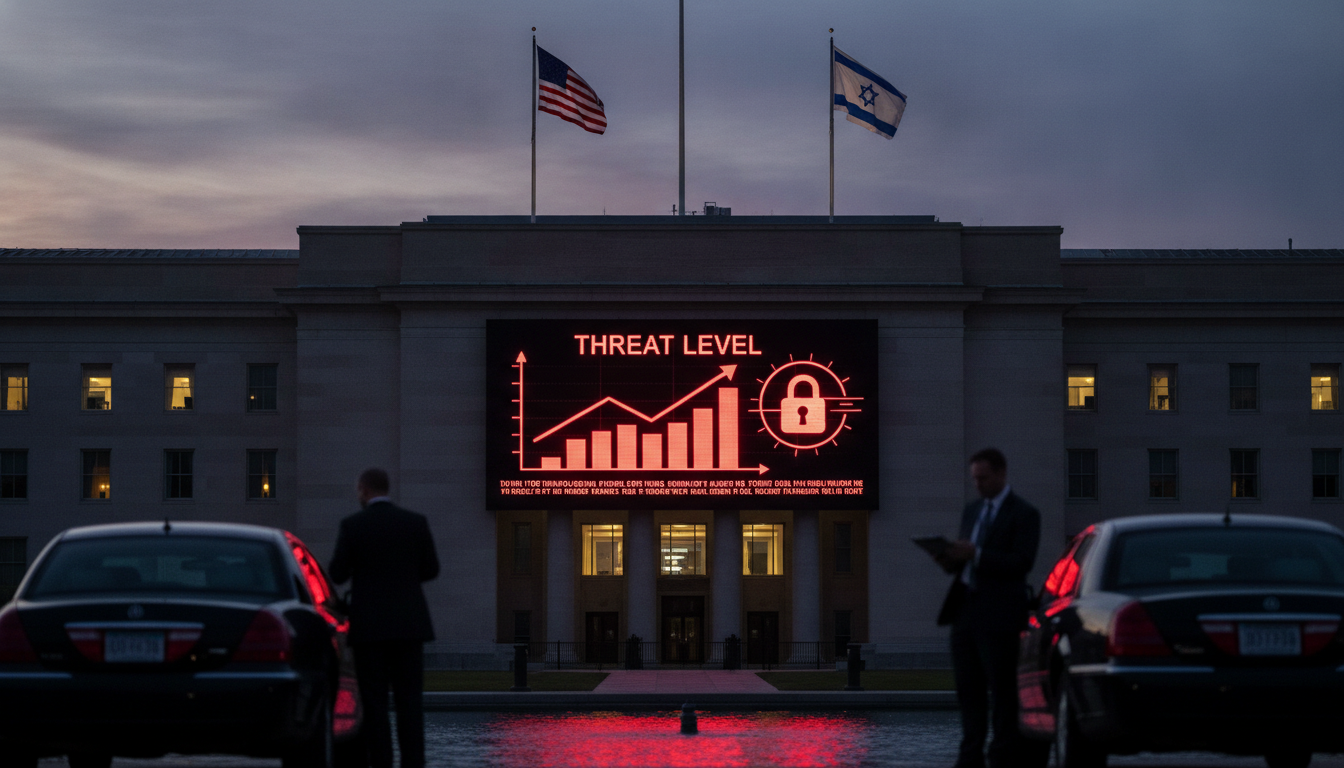
Pentagon intelligence reportedly upgraded the Israel espionage threat to “critical”, citing increased surveillance of US officials amid sensitive Iran negotiations that risk straining bilateral security ties.
The US Department of Defense’s intelligence arm has raised its internal counterintelligence assessment of Israel to the highest level, marking a significant escalation in concern over Israel espionage efforts against American personnel and policymakers.
The upgrade, reported by US media citing current and former officials, comes as Washington pursues diplomatic engagement with Iran while Israeli leadership has expressed opposition to the talks.
The assessment places Israel in the “critical” category — a designation reserved for threats judged to pose severe risks to personnel, operations and policy processes.
Pentagon raises counterintelligence rating to ‘critical’
The Defense Intelligence Agency’s recent internal evaluations reportedly moved Israel’s threat level from “high” to “critical” after identifying intensified collection activities targeting US officials.
Officials cited in reports said the reassessment reflected a pattern of behaviour that, in their view, exceeded routine intelligence activity between close partners.
The upgrade underscores growing alarm within parts of the US defence and intelligence community about the scope and focus of the operations being detected.
Sources described the change as aimed at alerting military commands and policymakers to elevated risks to classified deliberations and to personnel serving overseas.
Alleged targets and surveillance methods
Reports indicate US military and diplomatic figures involved in shaping policy toward Iran were principal targets of the alleged surveillance.
Names cited by officials include senior policy advisers and envoys whose roles place them at the centre of the Iran negotiations.
Incidents described to US officials reportedly included the discovery of unauthorised software on phones used by defence personnel stationed in the region.
Those findings prompted internal reviews and heightened counterintelligence procedures for staff handling sensitive diplomatic and military discussions.
Responses from Washington and Jerusalem
US and Israeli officials have publicly disputed the characterisation of the activity as state-directed espionage, with official spokespeople rejecting allegations of deliberate collection against US government personnel.
One White House official has been quoted as dismissing parts of the reporting, and Israeli diplomatic representatives have described claims of spying on American institutions as false.
Despite formal denials, the reports have prompted private diplomatic outreach aimed at clarifying procedures and reasserting the scope of bilateral intelligence cooperation.
Military and intelligence channels between the two countries remain active, but officials say the revelations — if confirmed — would require adjustments to risk management and information-sharing protocols.
Historical precedents and past espionage cases
Tensions over espionage are not new in the US–Israel relationship; the Jonathan Pollard case in the 1980s remains the most prominent example of an Israeli-directed intelligence breach on US soil.
Pollard’s arrest and conviction left a lasting imprint on institutional memory and helped shape subsequent counterintelligence sensitivities.
Analysts note that allied nations have long conducted intelligence activities against one another when strategic interests diverge, but the scale and targets of such efforts determine whether they are judged acceptable.
The current assessment has revived debates inside Washington about how to balance deep security partnership with the need to protect deliberative processes and personnel.
Strategic drivers behind reported surveillance
Experts suggest the primary motive for Israel espionage efforts in this cycle is concern over the trajectory of US diplomacy with Iran and the potential for a negotiated settlement that would constrain Israel’s options.
From an Israeli perspective, real-time insight into American bargaining positions could be seen as critical to shaping national decision-making and preserving military flexibility.
Some analysts also argue that intelligence collection can be used tactically to identify opportunities to influence or counteract diplomatic outcomes deemed harmful to national security.
That calculus is particularly acute when allies disagree on endgames for a conflict that has regional and global economic implications.
Implications for security cooperation and policy coordination
An elevated counterintelligence rating could complicate collaborative projects, including defence research and weapons development initiatives that rely on tight information-sharing.
Congressional and executive branches in Washington have previously debated deepening technical integration with Israel, and such plans may face additional scrutiny in light of recent concerns.
Maintaining operational interoperability while safeguarding classified planning will require clearer rules of engagement and possibly new safeguards for sensitive personnel and communications.
Diplomatic channels will be tested as both capitals seek to reconcile security dependencies with the need to prevent breaches of trust.
The immediate diplomatic consequence is likely to be intensified, confidential engagement between senior officials aimed at assessing the facts and restoring confidence where possible.
How those conversations proceed will shape whether the partnership navigates this episode with calibrated reforms or whether trust gaps widen, affecting joint operations and regional strategy in the months ahead.
