
Spirit Aviation collapse prompts Transport Secretary to rule out government bailouts
US Transport Secretary says no bailout after Spirit Aviation collapse; airlines offer temporary fare relief for stranded passengers nationwide.
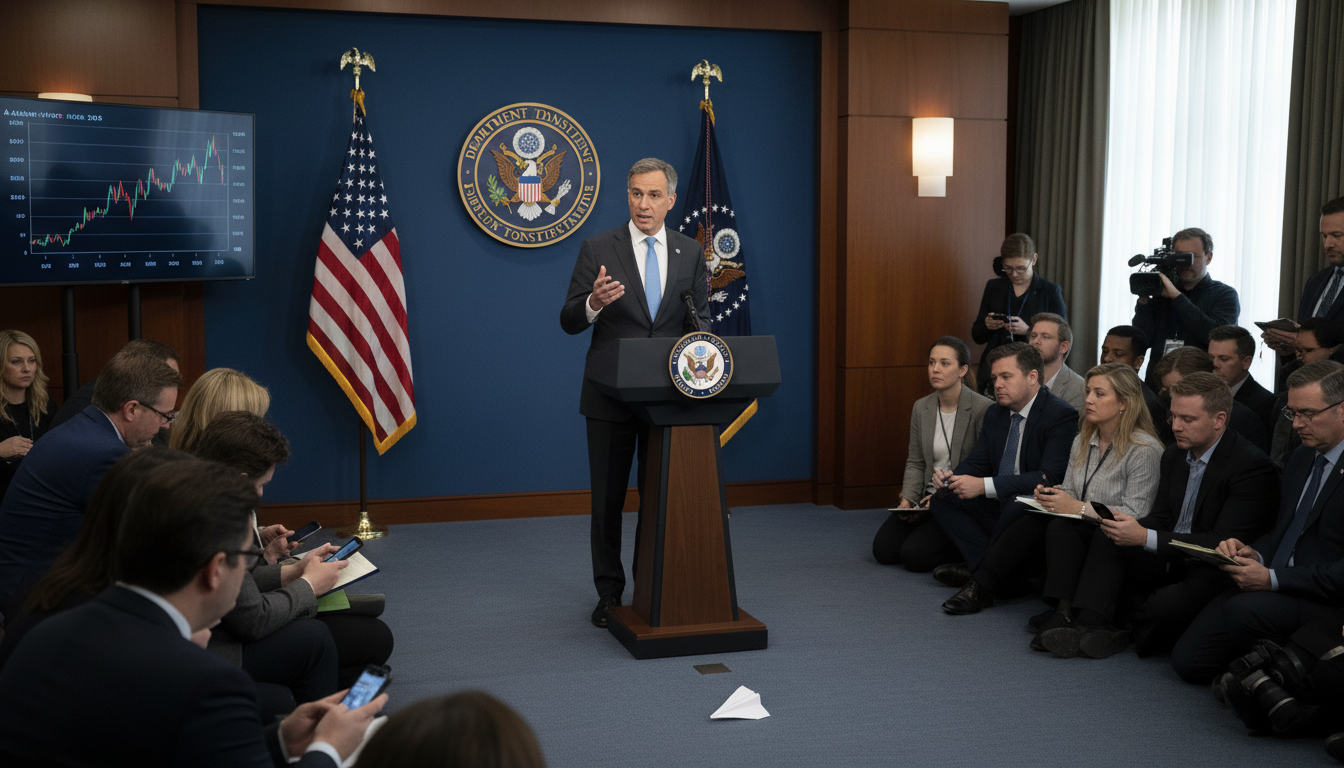
The US Transport Secretary told reporters that the government will not provide a financial rescue following the Spirit Aviation collapse, adding that other low-cost carriers do not currently require a bailout. The announcement came during a press briefing at Newark Liberty International Airport, where officials detailed steps to assist passengers affected by the abrupt halt in Spirit Aviation operations. Several major carriers agreed to temporary fare adjustments for displaced travellers, but thousands of passengers and employees remain impacted across the United States. The Transport Secretary said the airlines involved “already have access to cash liquidity,” according to a Bloomberg report.
Transport Secretary’s statement at Newark
A senior official at the airport reiterated the administration’s position that a federal bailout is unnecessary at this time. He argued that carriers outside Spirit Aviation have access to sufficient liquidity and that market mechanisms should address immediate shortfalls.
The official’s remarks came after a sudden cessation of Spirit Aviation flights, which left many travellers scrambling for alternatives. The tone of the briefing emphasized targeted passenger support rather than systemic financial intervention for the industry.
Passengers and staff left stranded
The abrupt suspension of operations resulted in thousands of passengers finding themselves without confirmed onward travel and airline staff uncertain about immediate assignments. Airport terminals reported long lines at information desks and surge demand for rebookings on competitor airlines.
Airline customer-service teams and airport staff worked through the night to reroute travellers, but delays persisted as capacity constraints limited immediate options. A number of facilities provided temporary assistance points for affected passengers, with peak disruptions concentrated at major hubs.
Rival carriers offer temporary fare relief
In the hours following the halt, several major US carriers said they would offer discounted or capped fares to passengers displaced by Spirit Aviation’s shutdown. United Airlines, Delta Air Lines, Southwest Airlines and JetBlue committed to measures intended to ease rebooking costs for stranded travellers.
Industry sources indicated that these steps were designed to provide immediate relief rather than long-term accommodation. The temporary price adjustments aim to prevent price gouging and to accelerate the redistribution of passengers across available flights.
Government actions to assist travellers
Officials announced a set of measures intended to protect and support passengers affected by the stoppage. Those measures include coordination with airlines to prioritize rebookings, consumer guidance at airports, and oversight to ensure fair treatment of customers.
Regulators also signaled they would monitor the market for anti-competitive conduct or unreasonable fare spikes. The focus remains on passenger safety and orderly reallocation of seat inventory rather than financial intervention in carrier balance sheets.
Industry implications and market response
Market analysts said the sudden failure of a low-cost carrier could trigger short-term capacity shortages on key routes and ripple through regional service patterns. Smaller airports that relied heavily on Spirit Aviation’s schedules may see temporary reductions in service and revenue.
Investors and industry observers will watch closely for consolidation signals, potential asset sales and how remaining carriers choose to absorb the displaced demand. The operational fallout may prompt re-evaluations of contingency planning across the sector.
Regulatory scrutiny and future oversight
Transportation regulators noted they would review the circumstances that led to Spirit Aviation’s shutdown and assess whether additional consumer protections are needed. Investigations are expected to examine the carrier’s financial disclosures, operational decisions and communications with passengers.
Officials suggested that lessons drawn from the event could inform future requirements for liquidity disclosures, contingency planning and passenger protections for carriers operating large low-cost networks.
The disruption underscores the fragility of capacity on some domestic routes and highlights the importance of robust contingency planning for both airlines and airports. As affected travellers continue to seek rebookings, regulators and operators say their priority remains restoring normal service and ensuring passengers receive timely assistance.
