
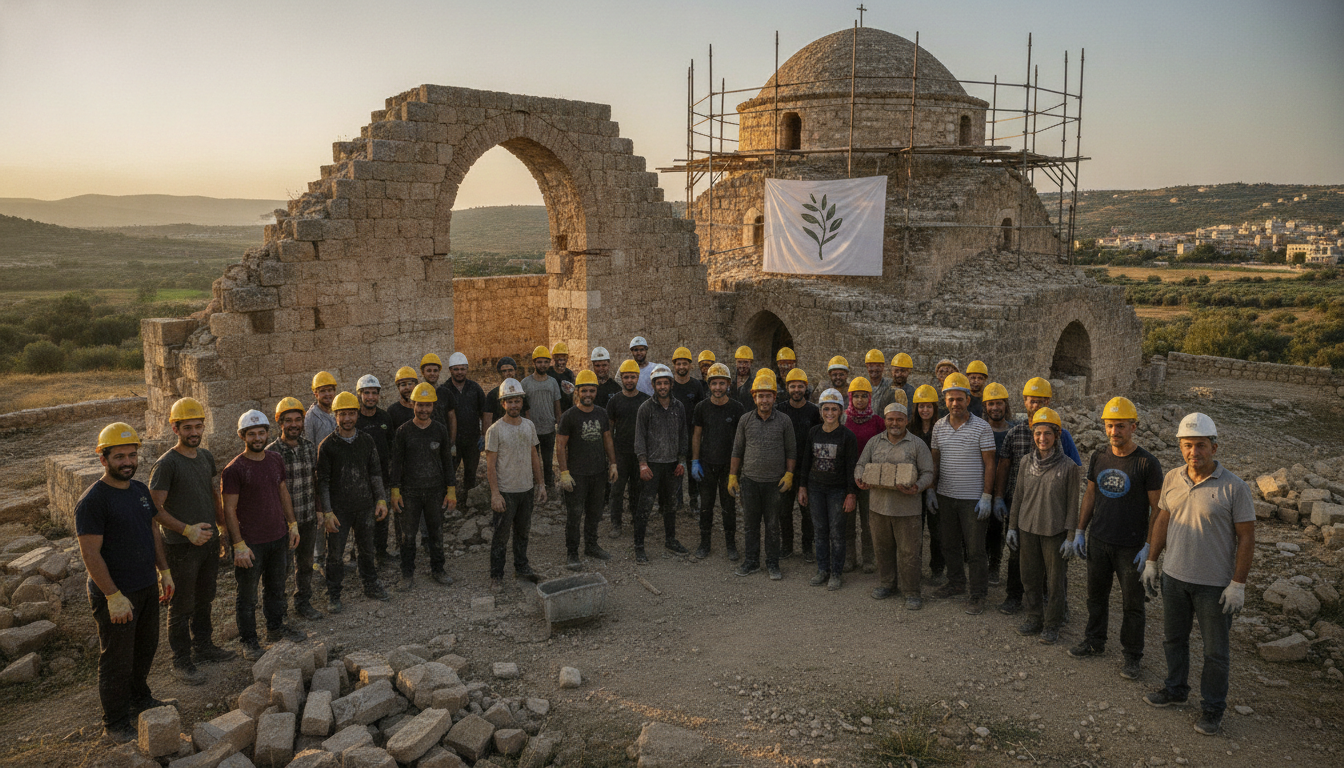
Interfaith Volunteers Mobilise to Rebuild Zawtar al-Gharbiyeh Monastery in Lebanon
Interfaith volunteers have begun rebuilding the Zawtar al-Gharbiyeh monastery as residents return to the ruined Lebanese village following an Israeli withdrawal
A coordinated group of volunteers from Christian and Muslim communities has begun initial reconstruction work at the Zawtar al-Gharbiyeh monastery, local residents said, as families return to a village left in ruins after recent fighting. The Zawtar al-Gharbiyeh monastery, once a focal point of local faith life, was heavily damaged and now forms part of a wider humanitarian response in what authorities have described as one of Lebanon’s designated “pilot zones.” Residents and volunteers described a sombre scene of rubble, damaged homes and a determination to restore essential communal sites.
Volunteer Effort and Interfaith Cooperation
Volunteers from across religious lines assembled in Zawtar al-Gharbiyeh to clear debris and secure the monastery grounds, organizers said. The effort brought together local residents, clergy and civil society volunteers, who coordinated immediate needs such as structural assessment and the removal of hazardous material. Participants emphasized the symbolic importance of rebuilding a Catholic monastery in a predominantly Shia Muslim village as a sign of communal solidarity and resilience.
Damage Assessment and Return of Residents
Returning families found streets strewn with concrete, shattered windows and partially collapsed buildings, according to accounts from villagers who arrived with small trucks and hand tools. The monastery sustained severe structural damage, forcing volunteer teams to prioritise safety measures and temporary shoring before any restorative work begins. Villagers said many homes were uninhabitable and that basic services such as water and electricity remain intermittent, complicating the immediate return process.
Coordination, Permissions and Technical Support
Volunteer groups are working with local authorities and informal community committees to obtain necessary permissions and identify qualified engineers for a formal reconstruction plan. Initial work has focused on debris clearance, documenting damage and establishing safe zones to prevent further injuries among returning residents and volunteers. Sources involved in the response said longer-term rebuilding will require formal assessments, building permits and funding channels to ensure work meets safety standards and preserves the monastery’s cultural features.
Funding, Donations and Material Needs
Organisers reported that early supplies have come from local donors and community collections, but highlighted a substantial gap in construction materials, medical supplies and heavy equipment needed for full reconstruction. Volunteers are staging local drives to collect basic tools, cement and timber while exploring partnerships with national charities and diaspora groups for larger-scale funding. Residents warned that without an influx of resources and logistical support, rebuilding the monastery and restoring homes could take many months.
Community Impact and Social Significance
The destruction of the monastery has reverberated across the village’s social fabric, affecting not only worshippers but also those who rely on the site for social services and communal gatherings. Rebuilding the Zawtar al-Gharbiyeh monastery is being framed by locals as part of a broader recovery that must involve housing, livelihoods and psychosocial support for families traumatised by displacement. Community leaders said the interfaith nature of the volunteer effort has fostered an atmosphere of cooperation that could help mend wider tensions, even as practical challenges persist.
Security Situation and Pilot Zone Context
Zawtar al-Gharbiyeh has been designated one of Lebanon’s “pilot zones” for return and recovery, a status intended to concentrate humanitarian and reconstruction efforts in areas cleared after hostilities. Residents returning after the withdrawal of Israeli forces described a fragile security environment and urged continued monitoring to ensure safe access for aid convoys and reconstruction crews. Observers cautioned that durable recovery will depend on stable security conditions, clear administrative support and sustainable funding to prevent protracted displacement.
Local volunteers and returning residents say their priority is to stabilise the monastery and make the village safe for families who want to come back, even as they recognise the scale of the task ahead. They have called for coordinated national and international assistance to repair infrastructure, restore services and support livelihoods while preserving the cultural and religious heritage represented by the monastery. The rebuilding work in Zawtar al-Gharbiyeh is being watched by neighbouring communities as a potential model for communal recovery in other affected zones.
