
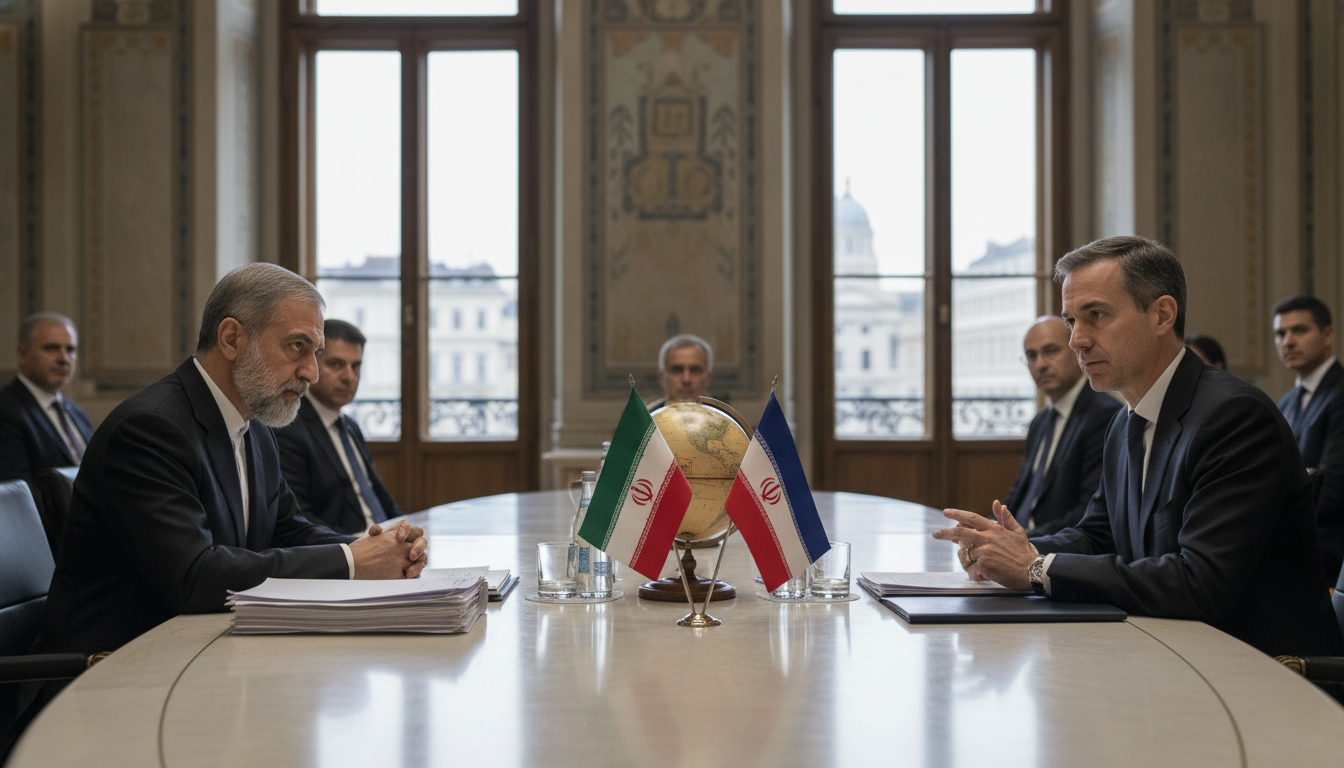
Iran Signals Readiness for Iran-US Peace Talks as Cease-Fire Nears Expiry
Tehran signals willingness to resume Iran-US peace talks in Islamabad amid mixed rhetoric, domestic pressure and a cease-fire set to expire on April 22, 2026.
Iranian officials signaled privately that they are preparing to resume Iran-US peace talks even as public statements from Tehran remained guarded and at times confrontational. The debate within Iran’s leadership reflects a balance between a pressing economic need for a deal and a determined effort to avoid appearing weak to hard-line constituents. With a two-week cease-fire due to lapse on April 22, 2026, the timing of any negotiation will be critical to preventing a return to wider hostilities.
Diplomatic Ambiguity from Tehran
Iran’s foreign ministry spokesman, Esmail Baghaei, declined to confirm whether a second round of talks would proceed in Islamabad, describing reports about a U.S. delegation as “their own business.” Public remarks from President Masoud Pezeshkian mixed warnings and willingness, underlining Tehran’s deep historical mistrust of Washington while acknowledging that war would be damaging for both sides. Behind the rhetoric, several officials privately indicated plans to attend talks in Pakistan if U.S. Vice President JD Vance also makes the trip.
Islamabad as the Next Negotiating Venue
Pakistani capital Islamabad is being reported as the likely location for follow-up discussions between Iranian and American delegations, with parliamentary chief Mohammad Bagher Ghalibaf named as a possible Iranian lead. U.S. sources suggest Vice President Vance was expected to travel to Pakistan on Tuesday, a step that would raise the stakes and visibility of any face-to-face encounters. The choice of Pakistan — a regional broker with diplomatic ties to both capitals — reflects a preference for a neutral venue where cautious diplomacy can be staged.
Hard-Liners and Public Demonstrations
Iran’s domestic political landscape is exerting strong influence on the government’s posture, with hard-line factions pressing leaders to resist concessions. Since surviving a recent five-week U.S.-Israeli military campaign, paramilitary and ideological groups have staged rallies in cities across Iran, amplifying calls against compromise and creating pressure on negotiators. Analysts say leaders are attempting to thread a narrow path: show resolve to the base while preserving the option of a negotiated settlement to address economic strains.
Maritime Pressure and Strategic Signalling
Recent moves around the strategic Strait of Hormuz have become a key bargaining chip in Tehran’s toolkit, illustrating how military and economic levers intersect with diplomacy. After Iran announced a temporary reopening of the strait, criticism from Revolutionary Guard–aligned media and a rapid U.S. response precipitated shifts that included reimposed restrictions on maritime traffic. Officials and regional analysts warn that continued disruptions could exact severe economic and geopolitical costs across the Gulf, complicating both public support and international mediation efforts.
Trust Deficit Shapes Negotiating Conditions
A central obstacle to progress is a pronounced trust deficit between Tehran and Washington, sharpened by past withdrawals from agreements and recent military confrontations. Iranian leaders cite President Trump’s prior exit from a nuclear accord and episodes in which the United States and its partners carried out military operations as reasons to demand stronger, verifiable guarantees. Negotiators in Tehran have also voiced fears that delegations could be targeted or that diplomacy could be short-circuited by renewed coercion, heightening calls for clear, enforceable safeguards.
Timetable Pressures and Regional Risks
The cease-fire that has kept open the possibility of talks is scheduled to end on April 22, 2026, a deadline that adds urgency to shuttle diplomacy and public posturing. If no extension or breakthrough is secured, the risk of escalation could increase rapidly, drawing in regional partners and complicating global energy markets. Observers say both sides face hard calculations: Iran must weigh domestic political survival against economic necessity, while the United States must evaluate whether public demands for decisive pressure will undercut diplomatic openings.
The coming days will be a test of whether cautious back-channel planning can overcome public brinkmanship and entrenched mistrust, with Islamabad potentially the stage where those pressures are translated into concrete terms or where the pause in violence gives way to renewed confrontation.
