
Iran nuclear programme talks possible on facility use but Tehran rejects uranium destruction or export
Iran open to talks on use of nuclear facilities but will not destroy or export uranium, senior researcher Sultan Al-Khulaifi says in new remarks on 10 May 2026
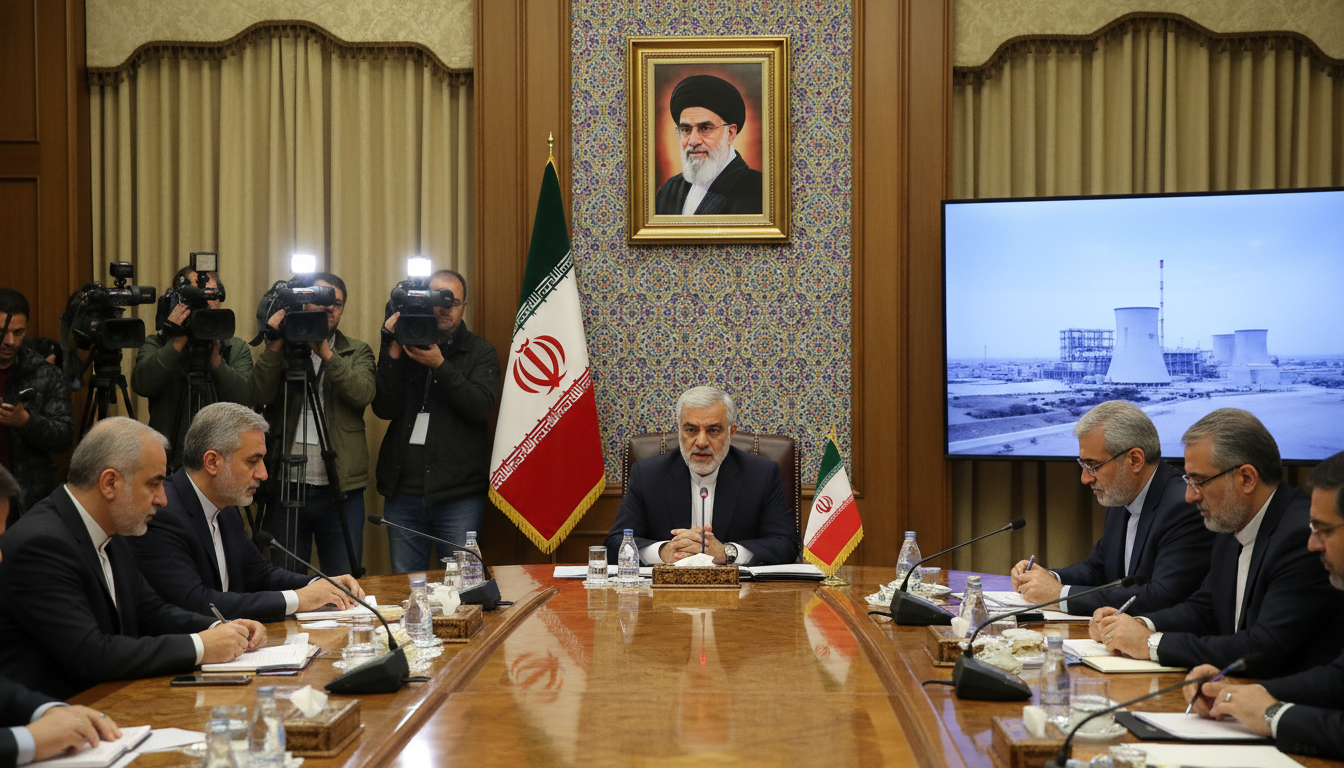
Iran signalled on 10 May 2026 that it may be willing to negotiate limits on how its nuclear facilities are used, while firmly rejecting calls to destroy or transfer its uranium stockpile abroad. Senior researcher Sultan Al-Khulaifi made the comments in public remarks that clarified Tehran’s negotiating red lines and underscored the continuing sensitivity of the Iran nuclear programme. The statement sets a narrow opening for diplomacy focused on operational arrangements at facilities rather than on the fate of enriched material.
Senior researcher frames Tehran’s position
Sultan Al-Khulaifi, identified as a senior researcher, told media that Iran could engage in discussions over the use and management of its nuclear sites but would not agree to physically eliminate or export its uranium. His comments were presented as a policy clarification aimed at foreign interlocutors seeking concrete assurances about Iran’s commitments. The remarks signal Tehran’s willingness to discuss oversight and technical parameters while preserving sovereign control over its nuclear material.
Uranium handling remains a firm red line
According to Al-Khulaifi’s statement, destroying uranium or permitting its transfer overseas falls outside acceptable negotiating outcomes for Iran. That stance maintains Tehran’s control over its enriched material and places limits on what international partners can demand in a settlement. The refusal to move or destroy uranium narrows the scope of any prospective agreement and highlights the technical and political challenges ahead.
Negotiations likely to focus on facility use and oversight
Iran’s openness to talk about how facilities are used suggests forthcoming discussions could centre on access, monitoring, and operational constraints rather than material disposition. Measures under consideration could include inspection schedules, activity restrictions at specific sites and agreed reporting protocols to international bodies. Such talks would require detailed technical frameworks and mutual confidence-building to be credible to outside parties.
Implications for regional security and Gulf diplomacy
The clarification from Tehran is likely to be closely watched across the Gulf, where states have long expressed concern about nuclear developments in the region. For neighbouring countries and partners in the UAE, the central question will be whether facility-level negotiations can reduce proliferation risks without altering the balance of nuclear material. Regional capitals are expected to press for stringent verification measures if discussions proceed, while balancing wider diplomatic and economic ties with Iran.
Possible next steps in diplomatic engagement
Diplomatic actors may now recalibrate their approach to focus on operational limitations and verification mechanisms that respect Iran’s refusal to export or destroy uranium. International agencies, including nuclear watchdogs, could be asked to define precise technical arrangements and timelines that meet verification standards. Any progress will depend on mutual concessions, clear monitoring protocols and a willingness to separate facility operations from the politically fraught issue of material disposition.
Iran’s statement on 10 May 2026 clarifies a narrow corridor for negotiations on the Iran nuclear programme: talks on the management and use of facilities, but not on the elimination or overseas transfer of uranium. That distinction will shape how regional governments and international institutions respond in the coming weeks, and will determine whether a workable diplomacy path can be found that reduces tensions while upholding Tehran’s declared red lines.
