
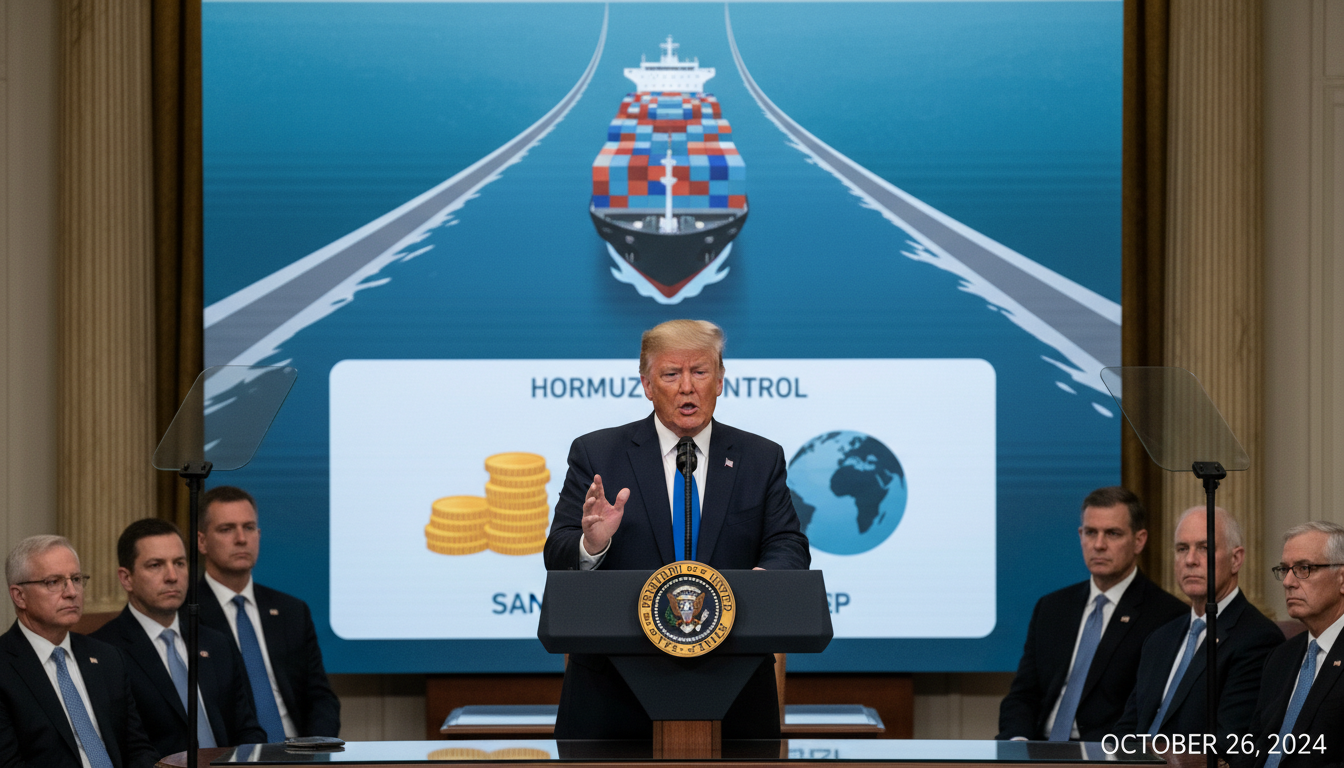
Trump Rejects Iran’s Reply to US Peace Proposal as Talks Pivot to Sanctions and Strait of Hormuz
US President Donald Trump rejected Iran’s response to the US peace proposal on May 11, 2026, prompting negotiators to shift focus toward sanctions relief, ceasefire guarantees and security of the Strait of Hormuz. The decision intensifies diplomatic activity across Washington, Tehran and regional capitals as mediators work to salvage a fragile opening. Analysts say the dispute over enforcement and maritime security now dominates discussions that began as a broader political settlement effort.
Immediate reaction in Washington
White House officials said the response from Tehran failed to meet key US demands, leading President Trump to publicly dismiss the reply on May 11, 2026. The administration framed its move as preserving leverage, arguing that concessions must be tied to verifiable steps on the ground. Republican and allied lawmakers welcomed the stance, while some diplomats warned it could narrow diplomatic avenues.
The rejection has prompted the US to outline specific conditions it wants in any revised response, including stronger ceasefire guarantees and binding mechanisms to prevent nuclear or proxy escalation. Senior US aides have emphasized sanctions as the primary lever to ensure compliance, indicating a phased approach to any possible relief.
Negotiation priorities shift to sanctions and enforcement
Negotiators from both sides now appear to be concentrating on the sequencing and scope of sanctions relief as a central bargaining chip. US officials insist that sanctions easing must correspond to verifiable actions by Iran, particularly on ceasefire commitments and restrictions that would limit support to armed groups. Tehran’s negotiators, by contrast, continue to press for immediate economic relief tied to political assurances.
This tug-of-war over sequencing has complicated talks, with mediators proposing technical measures to monitor compliance and time-bound steps for lifting specific measures. Experts say the emphasis on sanctions reflects their dual role as both punitive measures and inducements for concrete behavioural change.
Ceasefire guarantees become central to talks
Ceasefire guarantees are now a focal point after the rejection, with negotiators seeking mechanisms to prevent renewed hostilities in contested zones. The agenda includes proposals for third-party monitoring, withdrawal timetables and penalties for violations, though details remain unsettled. Both sides acknowledge that without credible enforcement, any agreement risks rapid collapse.
Regional actors have urged binding language and international oversight to strengthen adherence, suggesting a role for neutral observers or multinational forces in sensitive areas. Negotiators are also exploring legal instruments that would make breach of ceasefire terms costly and reversible in the sanctions architecture.
Security of the Strait of Hormuz under scrutiny
Control and security of the Strait of Hormuz have moved to the top of the list as negotiators weigh assurances that commerce and energy shipments will not be disrupted. Shipping companies and energy markets are watching closely, given the strait’s vital role in global oil and gas flows. US officials said maritime security guarantees must be explicit and enforceable before significant sanctions relief is considered.
Proposals under discussion include multinational patrols, shared intelligence mechanisms and a clear timeline for reducing naval tensions in the Gulf. Regional navies and commercial operators are expected to be consulted on technical arrangements that would balance freedom of navigation with security imperatives.
Diplomatic backchannels and third-party mediators
In the aftermath of the rejection, diplomatic backchannels have multiplied as European and regional powers intensify shuttle diplomacy to keep talks alive. Mediators are attempting to bridge gaps on sequencing and verification by proposing step-by-step frameworks that tie sanctions relief to measurable milestones. Officials involved say creative compromises may still emerge, but timeframes are tightening.
Some proposals under informal consideration would stage a phased rollback of economic measures against Iran in exchange for incremental security and transparency steps. Observers note that credible verification — including on-site inspections and independent reporting — will be essential to any such framework.
Economic and regional implications
Markets reacted nervously to the renewed diplomatic friction, with energy analysts warning that prolonged uncertainty could push insurance and transport costs higher for commercial shipping. Gulf economies, many of which depend on stable maritime routes and predictable energy flows, have signalled support for arrangements that guarantee uninterrupted trade. Trade partners and international firms have urged clarity to avoid broader economic fallout.
Longer-term regional stability hinges on whether negotiators can convert the current diplomatic momentum into enforceable commitments that reduce the risk of escalation. If talks stall, analysts say the risk of proxy clashes or maritime incidents — and subsequent market volatility — would increase.
The coming days will test whether technical fixes and intensified mediation can produce a revised Iran response that satisfies US demands while offering Tehran meaningful relief, or whether the rejection will harden positions and prolong uncertainty across the Gulf and beyond.
