
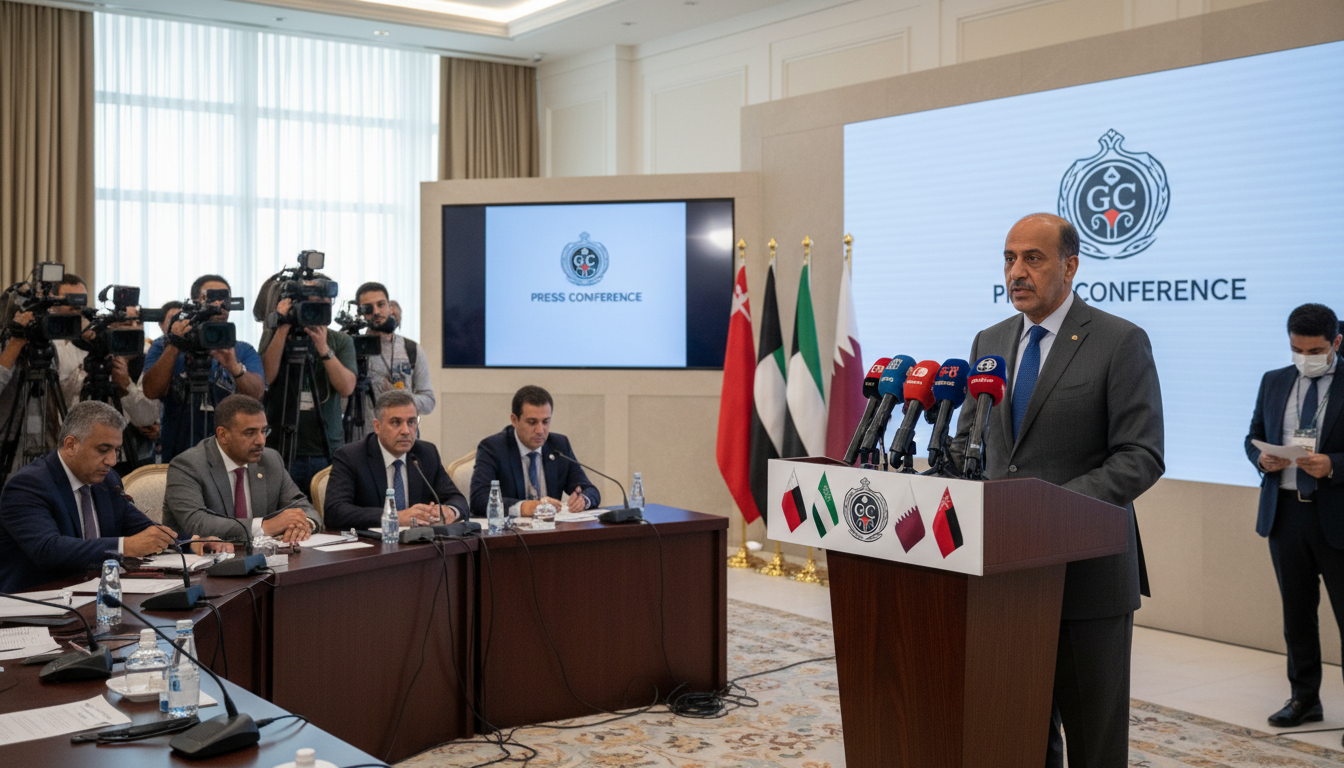
GCC Secretary‑General Condemns Iranian Attacks on UAE and Kuwait
GCC Secretary‑General strongly condemns Iranian attacks on UAE and Kuwait, calling them a systematic threat to regional stability and pledging full support for both states’ security.
The Gulf Cooperation Council’s secretary‑general publicly denounced the Iranian attacks on UAE and Kuwait in a stern statement posted on the council’s website, saying the actions represent a deliberate assault on regional security. He characterized the strikes as a calculated attempt to undermine stability and called on the international community to recognize the severity of the breach. The statement affirmed the council’s full backing for measures taken by the United Arab Emirates and Kuwait to protect their citizens and territory.
GCC Secretary‑General’s Formal Condemnation
The secretary‑general, Jassim Mohammed Al‑Budaiwi, used the council’s official channels to convey the strongest possible denunciation of the strikes.
He described the attacks as “heinous” and framed them as a clear violation of international law, the United Nations Charter, and established principles of good neighborliness.
The statement emphasized that such acts cannot be tolerated if regional stability and the safety of civilians are to be preserved.
It also served as a formal record of the council’s unified reaction to the incidents affecting two of its member states.
Allegations of a Systematic Campaign to Destabilize the Gulf
GCC officials accused Tehran’s actions of being part of a methodical approach aimed at destabilizing the Gulf region.
The secretary‑general’s wording suggested the council views the strikes not as isolated incidents but as a pattern of behavior intended to erode security.
That assessment raised concerns among member states about the potential for escalation and spillover across borders.
Delegations in the region are likely to assess both immediate and long‑term risks as they consider collective responses.
Unified Support for the UAE and Kuwait
The statement made clear that all GCC member states stand in full solidarity with the UAE and Kuwait.
Support was pledged for “all measures” the two countries deem necessary to defend their sovereignty, territorial integrity, and the safety of citizens and residents.
That backing is designed to reinforce the political and diplomatic weight behind any defensive or retaliatory actions the affected states choose to pursue.
Regional solidarity also signals to external actors that the council intends to present a coordinated front.
Legal and Diplomatic Implications Under International Law
By invoking breaches of the UN Charter and international law, the GCC positioned the incidents squarely within established legal frameworks.
Such characterization opens the door to a range of diplomatic and legal options, including complaints to international bodies or requests for multilateral consultations.
Legal experts consulted by regional capitals are expected to review potential avenues for response that do not immediately lead to broader conflict.
Any steps taken will need to balance the pursuit of accountability with the imperative to avoid uncontrolled escalation.
Security Measures and Civil Protection in Member States
Following the attacks, the statement underscored the priority of protecting civilians and critical infrastructure across the Gulf.
Member states have been advised to review security postures, increase vigilance at ports and airports, and coordinate maritime and airspace monitoring.
Civil authorities in the UAE and Kuwait are focusing on emergency preparedness and public safety communications to reassure residents and expatriate communities.
The GCC’s message reinforced that collective security planning will remain central to regional stability efforts.
Regional and International Ramifications
The condemnation is likely to prompt diplomatic engagement with external partners and may attract attention from the United Nations and other international actors.
How global powers react could shape the trajectory of diplomatic and security responses in the weeks ahead.
The council’s statement also serves as a basis for seeking broader international recognition of the incidents as threats to regional peace.
Observers say the coming days will be critical as states weigh diplomatic measures, security cooperation, and potential legal actions.
The GCC’s firm denunciation of the Iranian attacks on UAE and Kuwait signals a heightened regional resolve to defend sovereignty and protect civilians, while leaving multiple response options on the table as leaders consult allies and international institutions to prevent further escalation.
