
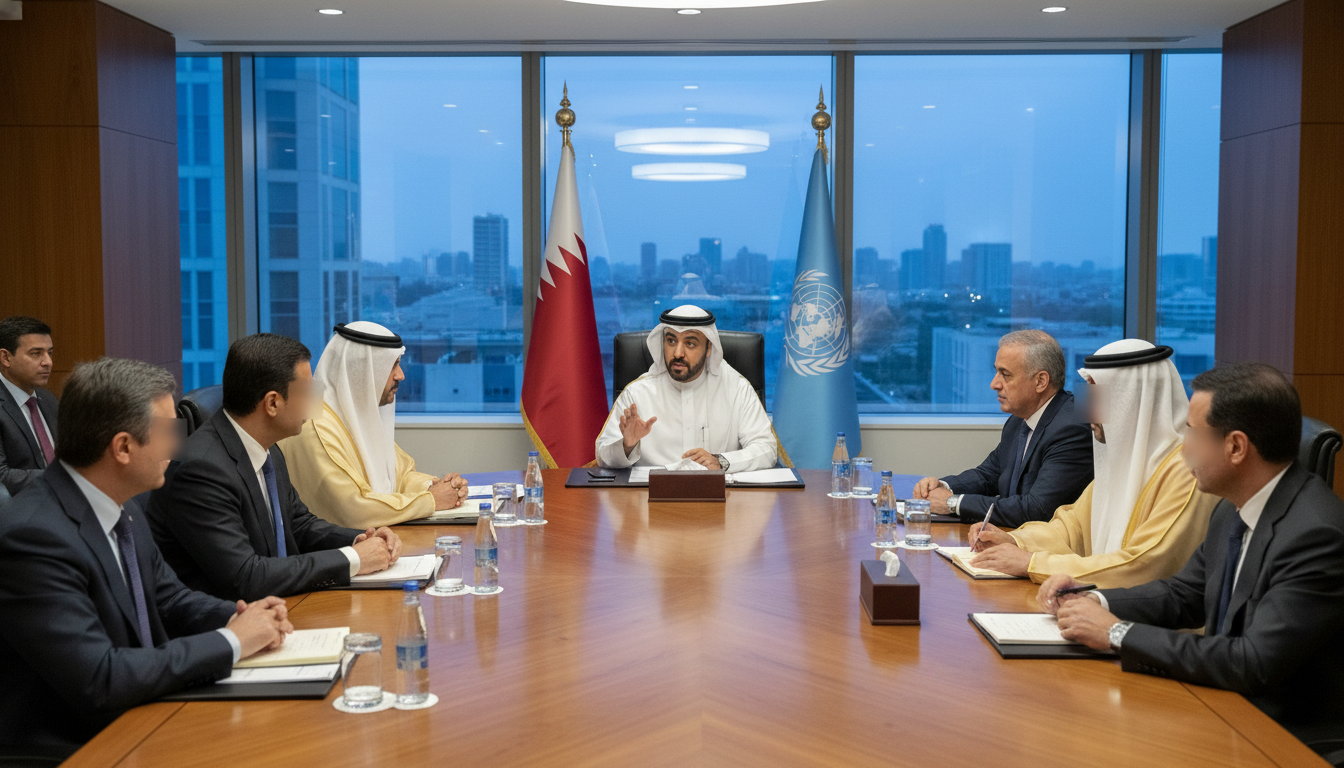
Qatar Says More Time Needed for US-Iran Negotiations as Gulf Urges Restraint
Qatar urges patience as US-Iran negotiations continue; Doha says indirect talks need more time after US reports Gulf states asked for a pause in attacks.
Qatar’s foreign ministry said on May 19, 2026, that more time is required for ongoing US-Iran negotiations, highlighting the delicate pace of indirect talks aimed at reducing regional tensions. The ministry’s statement came after US President Donald Trump said Gulf countries had requested a temporary halt to further attacks while diplomatic channels remained active. The development underlines Doha’s role as a mediator and the fragile balance between military posture and diplomatic engagement in the Gulf.
Qatar’s statement and diplomatic posture
Qatar framed its comments as a call for patience, saying the indirect US-Iran negotiations are complex and ongoing, and that more time is needed to consolidate progress. Doha has repeatedly presented itself as a facilitator for talks between Washington and Tehran, hosting or relaying messages in formats that minimise public exposure. The foreign ministry’s language avoided firm timetables, signalling an intent to manage expectations while keeping channels open.
President Trump’s remarks and Gulf requests
President Trump told reporters that Gulf leaders had asked him to refrain from further attacks while discussions were under way, a claim that added urgency to Doha’s pronouncement. The US White House has described its engagement with Gulf partners as coordinated, though details of any formal request for a pause in operations were not released publicly. The convergence of statements from Washington and Doha suggests parallel diplomatic and military calculations shaping short-term strategy.
Nature of the indirect US-Iran negotiations
Officials described the talks as indirect, meaning intermediaries convey proposals rather than direct face-to-face meetings between Washington and Tehran. Indirect negotiations typically allow both sides to explore options without the political cost of public concessions, and intermediaries play a crucial role in translating technical positions into politically viable offers. Such formats can slow progress but also reduce the risk of escalation that sometimes accompanies direct bilateral encounters.
Gulf states’ role and regional dynamics
Gulf states have been active interlocutors, urging de-escalation while ensuring their own security interests are addressed. Their reported request for a pause in attacks reflects concern about spiralling violence and its implications for energy routes, trade, and domestic stability. Countries in the region are balancing pressure on Iran with the need to maintain economic ties and avoid disruptions that could harm their populations and markets.
Security risks and potential flashpoints
Analysts warn that pauses in kinetic activity can be fragile, and any miscalculation or third-party provocation could quickly undo diplomatic progress. Maritime incidents, proxy strikes, or retaliatory operations by non-state actors remain potential triggers that could intensify conflict despite state-level restraint. The military posture of regional and extra-regional powers continues to shape the environment in which negotiations are taking place.
Next steps and likely timelines
Diplomats say the immediate focus will be on sustaining communication channels, exchanging technical proposals, and reducing incentives for rapid escalation on the ground. Doha’s call for more time implies negotiators expect incremental movement rather than a swift breakthrough, with follow-up meetings and back-channel exchanges likely in the coming days and weeks. Observers will watch for concrete confidence-building measures, such as reduced patrols, verified de-escalation steps, or humanitarian pauses, as indicators of substantive progress.
Qatar’s appeal for patience on May 19, 2026, highlights the interplay between diplomacy and deterrence in a region where stakes are high and timelines are uncertain. The coming days will reveal whether the reported Gulf request for restraint and the indirect talks between the US and Iran can translate into a sustained reduction in hostilities or whether further diplomatic effort will be required to prevent a return to open confrontation.
