
Thailand cuts visa-free entry to 30 days in major policy reversal
Thailand cuts visa-free entry from 60 to a tiered 30/15-day system, citing security; land-entry caps and tighter checks aim to curb abuse from May 19, 2026.
Thailand visa-free entry policy reduced, government says security and abuse prompted change
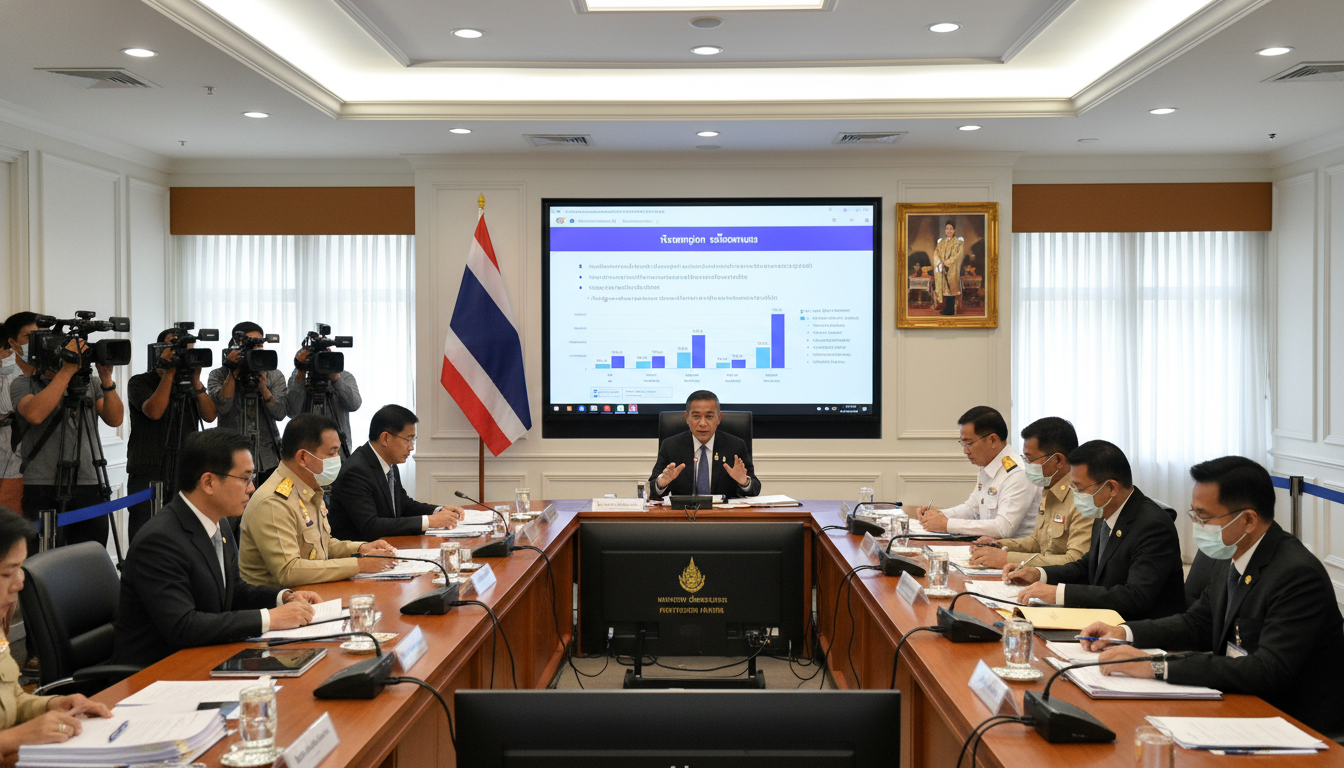
Thailand’s cabinet on Tuesday approved a significant reduction to its Thailand visa-free entry scheme, moving away from the 60-day exemption introduced in July 2024. The government said the shorter window will better balance tourism recovery with growing security concerns, and officials signalled the shift applies broadly to more than 90 countries previously eligible. The change comes as Bangkok seeks to curb illicit enterprises and protect public order while maintaining tourism as a central economic pillar.
Cabinet approves cut to visa-free stays
The cabinet decision replaces the blanket 60-day visa waiver with a tiered arrangement limiting most visitors to 30 days and some nationalities to just 15 days. Officials framed the measure as a recalibration rather than a rollback of Thailand’s open-door tourism strategy. Foreign Minister Sihasak Phuangketkeow said the move targets individuals exploiting visa rules rather than singling out any specific nationality.
The announcement followed discussions in Bangkok that highlighted a string of recent investigations and arrests involving foreign nationals. Authorities argued those cases demonstrated vulnerabilities that emerged after the 2024 expansion of visa-free access.
New tiered visa framework explained
Under the new framework, most travellers from the affected list of countries will be permitted visa-free entry for up to 30 days. A secondary tier will restrict stays for certain nationalities to 15 days, while land-border entries under the standard 30-day tier will be limited to two entries per calendar year. The Ministry of Foreign Affairs said the tiered approach mirrors earlier protocols used before the 2024 expansion, with revised enforcement to prevent repeat short-term crossings designed to circumvent immigration controls.
Officials stressed the government retains other visa options for longer visits, including visa-on-arrival and formal visa applications for work, study or extended tourism. These channels will continue to be available, but will be subject to closer screening and verification.
Security concerns and exploitation cited
Government spokespeople pointed to a rise in grey-market operations and online scams that, according to officials, were facilitated by the longer 60-day window. Rachada Dhanadirek, a government spokesperson, told reporters that the previous scheme had been abused by organised groups running unauthorised hotels, language schools and other businesses. Authorities also cited cases of drug trafficking and human smuggling involving foreign nationals who entered under the expanded waiver.
Lawmakers and security agencies argued the shorter stays would narrow the window for attackers and criminal networks to establish operations or repeatedly enter and exit the country. While acknowledging the importance of tourism to the economy, officials said safeguarding national security and law enforcement capacity took precedence.
Border entry caps reinstated
A key element of the policy package is the reinstatement of a cap on visa-free land entries: two per calendar year for the 30-day tier. The limitation is intended to reduce serial short-term crossings that were said to enable unauthorised employment and the rotation of personnel serving illicit schemes. The ministry indicated that air travel remains subject to the same duration limits but is not targeted by the two-entry restriction imposed specifically at land border crossings.
Immigration authorities will implement monitoring systems to track repeat entries and to flag patterns indicative of abuse. The government indicated coordination with neighbouring countries and border control agencies will be intensified to help enforce the cap.
Tourism outlook and economic targets
Thailand’s tourism sector accounts for more than 10 percent of gross domestic product, and officials emphasised that the policy change is aimed at protecting the industry’s long-term health. Government data cited a 3.4 percent year-on-year decline in foreign arrivals in the first quarter, partly attributed to a nearly 30 percent fall in visitors from the Middle East. Despite that drop, authorities reiterated an annual tourism target of 33.5 million foreign arrivals for the year.
Industry groups and hoteliers will closely monitor how the new rules affect visitor flows, particularly for long-stay leisure travellers and repeat visitors. Analysts warn that shorter visa-free stays could reduce average visitor spending if not offset by higher-value tourism or targeted marketing to priority markets.
Implementation timeline and enforcement measures
The government has not yet published an exact effective date for the new rules, but the cabinet decision was recorded on May 19, 2026. Officials said further details on implementation, including guidance for airlines, border posts and foreign diplomatic missions, will follow in the coming days. Immigration authorities have signalled stepped-up checks, strengthened data-sharing, and administrative penalties for businesses found to be hiring unauthorised foreign workers.
Ministries involved in tourism, foreign affairs and interior affairs will issue operational guidelines to ensure consistent application across ports of entry. Bangkok also indicated it would review the policy periodically and retain flexibility to adjust durations or categories based on compliance, security assessments and economic indicators.
The government said the measures are aimed at preserving legitimate travel while closing avenues for criminal exploitation, and invited stakeholders to engage in consultations as enforcement details are finalised.
