
WHO Urges Immediate Action as DR Congo Ebola Outbreak Escalates
WHO warns of a very serious DR Congo Ebola outbreak; confirmed cases rising and neighbours urged to act as WHO and African CDC step up emergency response.
WHO director-general issues urgent warning
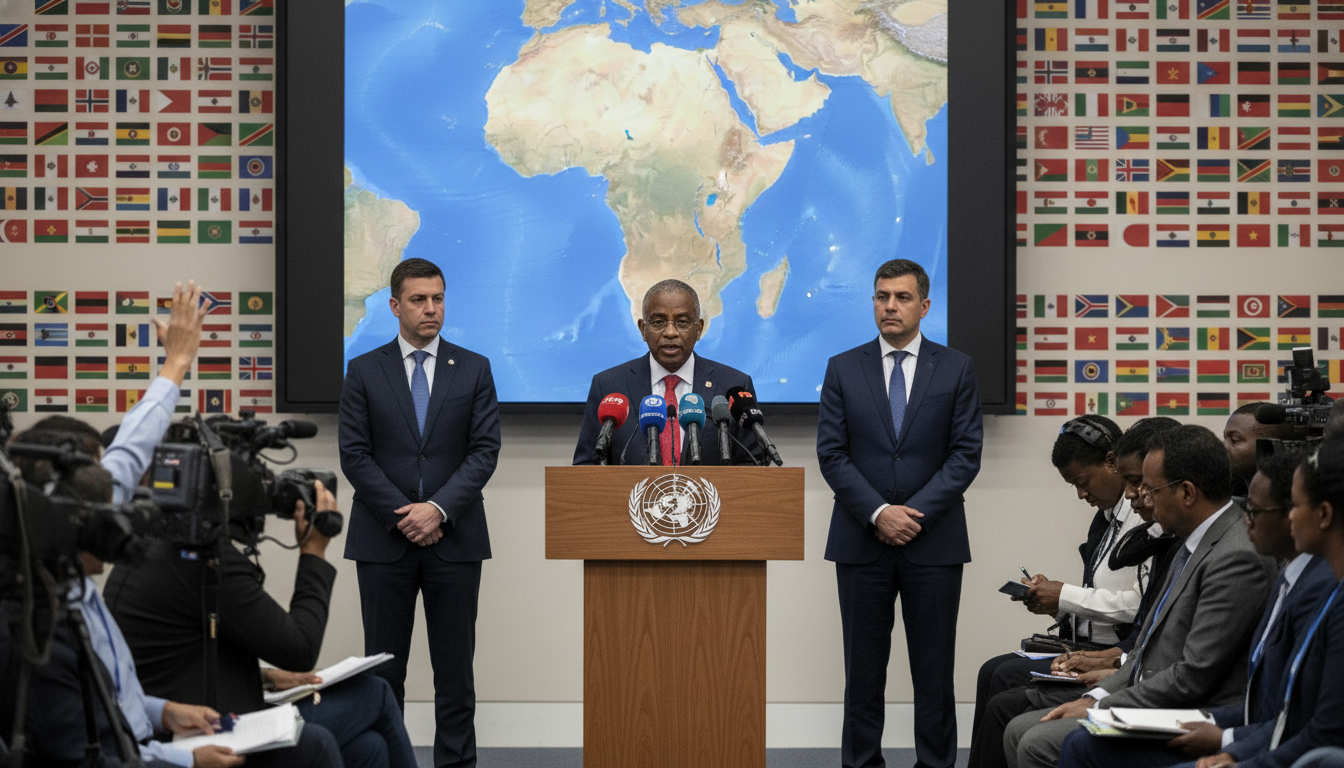
The World Health Organization director-general, Tedros Adhanom Ghebreyesus, warned that the DR Congo Ebola outbreak is “very serious and complex” and called on neighbouring states to act immediately. The DG said the response is racing to catch up after delays in detection, noting the outbreak is spreading faster than current containment measures. He announced plans to travel to the Democratic Republic of Congo to assess the response alongside senior WHO emergency officials.
Tedros stressed that the international health alert issued for the outbreak reflects concern about the speed and scale of transmission within DR Congo. He emphasised the global community knows the virus and how to halt transmission, but outcomes will depend on the speed of the response. The WHO has raised the national risk assessment to the highest level and continues to coordinate with national authorities.
Confirmed and suspected cases reported across multiple provinces
DR Congo announced the outbreak on 15 May after detecting infections caused by the Bundibugyo strain of Ebola, which currently has no licensed vaccine or specific antiviral treatment. As of the latest official counts cited by WHO, there are 101 confirmed infections and 10 confirmed deaths linked to the outbreak. Authorities and health agencies are also investigating more than 900 suspected cases and roughly 220 suspected deaths, indicating the epidemic footprint may be substantially larger than laboratory confirmations alone.
Health officials warn that confirmed tallies likely understate the true burden because testing capacity and surveillance have lagged behind transmission. The Bundibugyo virus is associated with high case fatality rates in prior outbreaks, prompting the WHO and partners to prioritise rapid testing and case confirmation. Scaling laboratory services and improving case detection are central to slowing the outbreak’s expansion.
Regional alarm as Africa CDC names countries at risk
The Africa Centres for Disease Control and Prevention has signalled elevated risk for a group of neighbouring and regional countries, naming ten African states as threatened in addition to DR Congo and adjacent Uganda. Officials highlighted cross-border movements and porous frontiers as key factors increasing the potential for exportation of cases. Uganda has already reported confirmed cases and at least one death, underscoring the regional dimensions of the emergency.
WHO officials specifically urged countries bordering DR Congo to intensify screening, contact tracing and preparedness measures without delay. Ministries of health in the region are being advised to increase surveillance at points of entry, bolster laboratory readiness and communicate risk to communities. Regional coordination and information-sharing are now priorities to prevent further spread across national borders.
Operational challenges complicate containment efforts
WHO described several factors that complicate the outbreak response, including delayed detection, rapid transmission and logistical constraints in affected areas. The complexity is amplified by the outbreak’s occurrence in multiple locations, which stretches surveillance, contact tracing and treatment capacity. Security, remote terrain and community access issues further hinder the timely delivery of medical teams and supplies.
These operational hurdles increase the risk that transmission chains will persist and that undetected infections will continue to seed new clusters. Health authorities are focusing on bolstering contact tracing teams, expanding isolation facilities and improving community engagement to encourage early reporting of symptoms. International partners are being mobilised to provide surge capacity for diagnostics, clinical care and public information campaigns.
WHO deployment and support measures announced
Tedros said he will visit DR Congo along with Chikwe Ihekweazu, the WHO emergency programme executive, to coordinate an intensified operational response on the ground. WHO support to national authorities includes bolstering contact tracing efforts, establishing treatment centres and conducting risk communication to reach affected communities. The agency is also assisting with surge laboratory capacity and logistics to move critical supplies where they are most needed.
WHO has elevated its internal risk rating for DR Congo to “very high” and continues to assess regional risk as “high,” while maintaining a “low” assessment at the global level. The organisation is urging immediate action from neighbouring states, citing the potential for cross-border spread and the challenges posed by delayed outbreak detection. International technical teams and regional public health bodies are being engaged to provide coordinated assistance.
The unfolding DR Congo Ebola outbreak has prompted urgent appeals for rapid, sustained action from national, regional and international partners to bring transmission under control and prevent further loss of life.
The coming days will be critical as WHO and regional partners intensify field operations, expand testing and support frontline health workers to contain the outbreak and reduce the risk to neighbouring countries.
