
Trump Says He Will Not Seek USMCA Renewal, Opening Path to Prolonged Talks
Trump says he will not seek direct USMCA renewal ahead of the July 1 deadline, paving the way for protracted negotiations and annual reviews through 2036.
President Donald Trump announced on Wednesday that he will not pursue a direct renewal of the USMCA renewal as the trilateral trade pact approaches its next renewal window. His comments set up the prospect of extended negotiations between the United States, Canada and Mexico ahead of the July 1 renewal milestone. The announcement underscored an approach that prioritizes bilateral leverage and longer-term review mechanisms rather than an immediate automatic extension. Markets and trade officials are expected to scrutinize the political and economic consequences in the coming weeks.
Trump’s public stance and key remarks
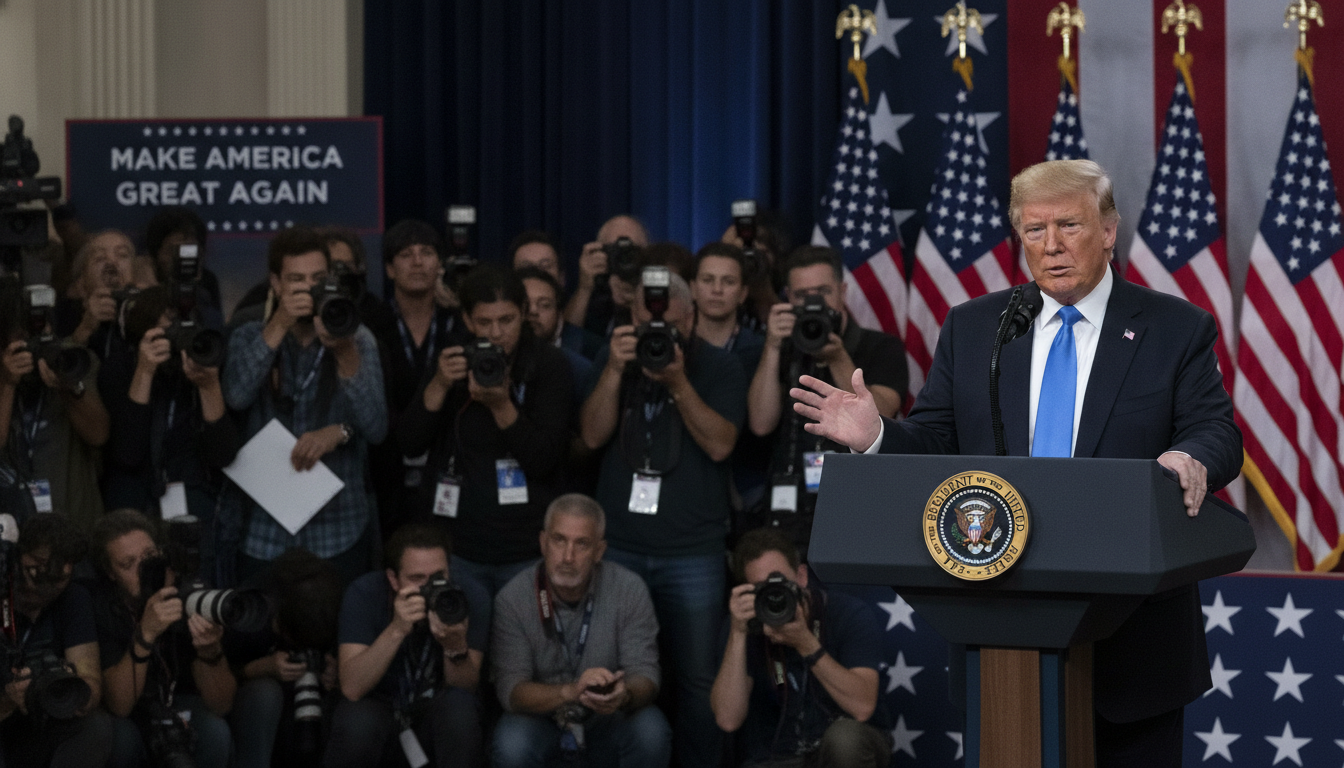
Trump told reporters that he was “not seeking to renew” the three-way agreement directly and framed the relationship in terms of U.S. leverage. He argued that the United States does not need what Canada or Mexico offer in certain sectors while asserting both neighbours benefit substantially from U.S. markets and industry. The remarks reflect a negotiating posture that could complicate coordinated renewal efforts and signal tougher bargaining ahead. Officials in Ottawa and Mexico City have yet to publicly outline formal responses.
Renewal mechanics and the July 1 trigger
The USMCA was scheduled for a renewal consideration on July 1, a procedural date that would have allowed parties to agree to a new 16-year term under the pact’s rules. Under the existing text, if parties do not agree to a direct renewal, the agreement remains in force but becomes subject to annual reviews through 2036. That mechanism allows the three parties to revisit specific provisions year by year rather than committing immediately to another long-term term. Trade lawyers say the annual review framework can produce sustained friction but also provides regular opportunities for renegotiation without disrupting the core market access that businesses rely on.
Implications for Canada and Mexico as top trading partners
Canada and Mexico are among the United States’ largest goods trading partners, and any shift in renewal strategy carries practical consequences for cross-border supply chains. Industries such as automotive manufacturing, agriculture and energy have deep integrated value chains that rely on predictability in rules of origin, tariffs and dispute settlement. Companies operating across the three countries have cited the importance of regulatory certainty for investment decisions and production planning. Analysts warn that prolonged uncertainty could increase compliance costs and slow investment until clearer terms are established.
Potential economic and market responses
Financial markets and business groups typically react to trade uncertainty with caution, and prolonged talks could weigh on investor sentiment in export-oriented sectors. Exporters that depend on tariff-free access and harmonized regulations may face planning challenges if annual reviews trigger frequent adjustments. Conversely, some domestic industries may view renewed negotiations as an opportunity to secure more favourable protections or incentives. Trade associations and chambers of commerce in all three countries are likely to lobby intensively to influence any renegotiation agenda and protect existing market arrangements.
Political and diplomatic fallout
The decision not to seek an immediate renewal shifts pressure onto diplomatic channels and could become a talking point in domestic politics for all three governments. In the United States, congressional leaders and business coalitions may press for either a consolidated agreement or clearer guidance on negotiation priorities. Canada and Mexico face the dual task of protecting exporters while managing domestic political reactions to any concessions. The trilateral dynamic will test long-standing ties and could require expanded ministerial-level engagement to steer talks away from escalation and toward pragmatic outcomes.
The president’s announcement frames the next phase of USMCA discussions as likely to be drawn out and politically charged rather than a straightforward administrative renewal. Stakeholders across business and government will now watch for formal responses from Ottawa and Mexico City, shifts in negotiating tactics, and any moves by Congress or industry groups to shape the timetable. For companies integrating North American supply chains, the message is clear: prepare for an extended period of review and potential change, even as core trade flows continue under the existing pact.
