
Swiss voters decide on Switzerland population cap in national referendum
Swiss voters face referendum on whether to cap population at 10 million by 2050 amid migration, housing and services concerns.
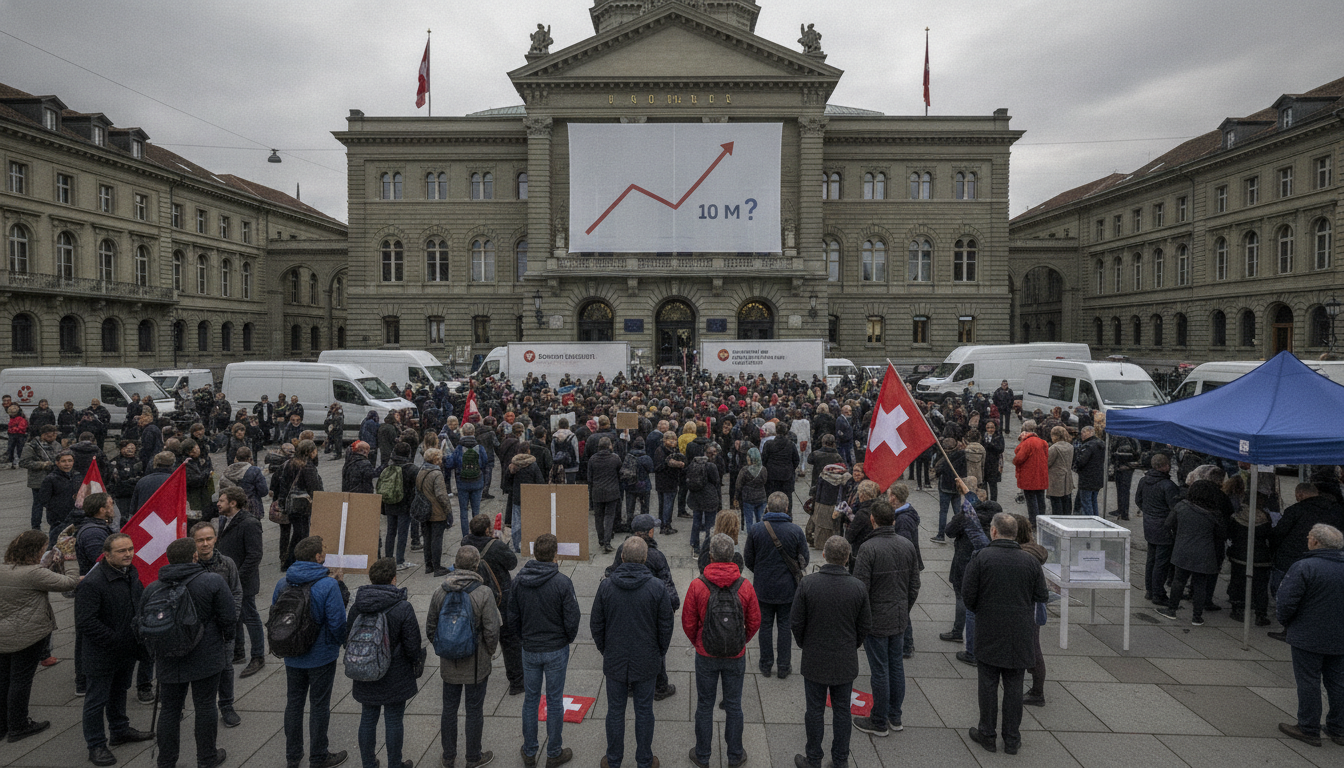
Switzerland held a nationwide referendum on June 14, 2026, on a proposal to enshrine a population ceiling in the constitution. The Switzerland population cap initiative, put forward by the right-wing Swiss People’s Party, would limit the country’s population to 10 million people by 2050. Supporters say the measure aims to relieve pressure on housing, public services and infrastructure while opponents warn of economic and diplomatic fallout.
Scope of the constitutional proposal
The amendment would add a numerical limit to the constitution, setting 10 million as the maximum population Switzerland should reach by 2050. If the threshold were exceeded, the proposal stipulates that the government must take defined measures, including reconsidering international agreements that affect migration. Backers framed the change as a preventive tool to manage growth and protect public services from overstrain.
The draft text links demographic policy directly to treaty obligations, creating a mechanism that could trigger renegotiation or withdrawal from agreements facilitating labor mobility. Critics argue the language is broad and could force politically fraught actions with far-reaching consequences for trade and cross-border employment.
Mechanism and potential trigger with the EU
A key element in the initiative is its automatic response if population targets are surpassed, which could include unilateral steps affecting free movement of people. Switzerland’s arrangements with the European Union, particularly the free movement of workers, have been central to its labor market and are explicitly cited as vulnerable under the proposal. For many economists and business groups, access to EU workers is integral to sectors from health care to construction.
Legal experts say any attempt to unilaterally suspend or cancel parts of the free-movement agreement would prompt complex negotiations with the EU and could disrupt supply chains and services. Observers note that while the text signals a domestic threshold, the real impact would depend on subsequent legislation and international diplomacy.
Demographic context and official projections
Switzerland currently has a population of just over nine million, and official forecasts suggest it could reach or surpass 10 million in the early 2040s under current trends. Those projections take into account birth rates, aging, and net migration flows, which have varied in recent years amid broader European population shifts. Proponents of the cap cite these projections to argue that policy change is needed now to prevent uncontrolled growth.
Opponents counter that demographic forecasts are uncertain and that setting a hard cap is an inflexible response that ignores the economic benefits of migration, the demographic need for working-age residents, and the social integration of long-term immigrants. They also emphasize that population policy traditionally relies on incentives and planning rather than constitutional limits.
Economic and housing implications
A primary argument from supporters centers on housing and public services, where rising demand has driven prices up and stretched municipal capacities. Municipal leaders in high-growth cantons have voiced concerns about school capacity, transport congestion, and the affordability of rental and ownership markets. The proposal’s backers say a cap would buy time for targeted urban planning and investment.
Business associations warn that restricting population growth could deepen labor shortages in sectors already struggling to find skilled and unskilled workers. They argue that reduced labor mobility might slow construction, health care delivery, and technology development, with knock-on effects for GDP and competitiveness. Economists stress that the relationship between population size, productivity and living standards is complex and policy must balance competing needs.
Public opinion and political divide
Polling ahead of the referendum indicated a sharply divided electorate, with substantial support in some rural and suburban areas and significant opposition in urban centers that depend on immigrant labor. The Swiss People’s Party, which proposed the amendment, mobilized a campaign focused on sovereignty, environmental carrying capacity, and pressure on local services. Opposing parties and civil society groups framed their campaigns on economic stability, international cooperation and human rights.
The vote follows a history of Swiss referendums addressing immigration and bilateral ties with the EU, illustrating the persistent public debate over national identity and openness. Turnout patterns and cantonal splits will be closely analyzed for their signal on broader political trends within the Confederation.
Next steps if the measure passes or fails
If voters approve the population cap, parliament and federal agencies would be tasked with drafting implementing legislation and specifying the trigger mechanisms tied to the 10 million threshold. That process could take months or years, and would likely include legal challenges and international consultations. A successful vote would also intensify negotiations with the EU over labor mobility and other bilateral accords.
If the measure is rejected, the status quo would remain, but the strong public engagement is likely to keep population and migration high on the political agenda. Policymakers may still pursue targeted measures on housing, infrastructure and regional planning to respond to the concerns that propelled the initiative.
The referendum on the Switzerland population cap marks a pivotal moment in national debate over migration, economic necessity and the limits of constitutional policymaking. Voters’ choice will shape discussions on governance, international relations and the future balance between growth and quality of life for years to come.
