
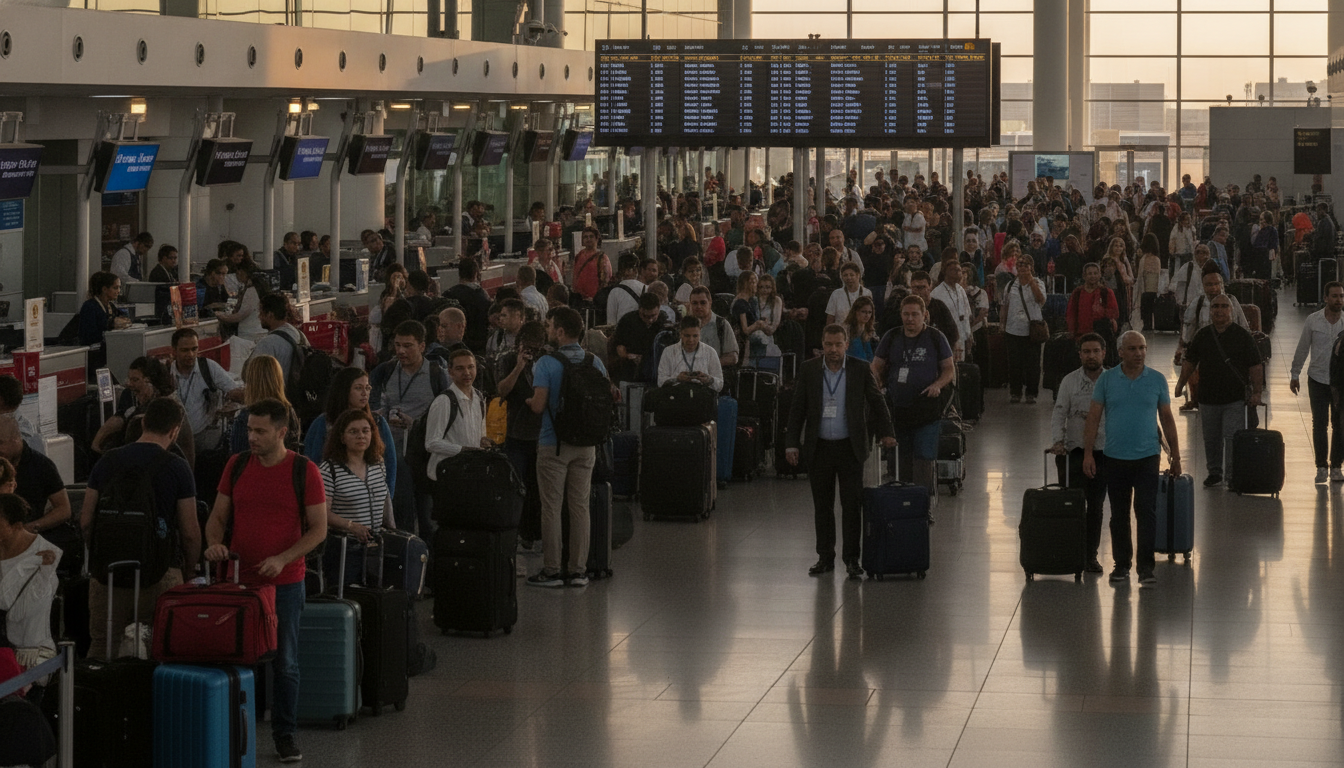
UAE flight ticket prices surge in early July as summer demand pushes fares higher
UAE flight ticket prices surge in early July as summer break drives demand to Arab destinations; one-way fares peak July 3 and remain elevated through mid-July.
The UAE flight ticket prices market is set to see its sharpest increases in the first week of July, with one-way fares to major Arab destinations peaking as summer holidays begin. Monitoring of airline booking engines shows the highest demand — and highest prices — concentrated between July 3 and July 7, with July 3 recording the steepest fares on several key routes.
July 3 peak fares across major Arab routes
Airlines’ booking data indicate July 3 is the most expensive travel day on direct services from the UAE to several Arab cities. Prices remain relatively high through about July 20, then decline gradually but unevenly depending on route and seat availability.
The surge follows a predictable seasonal pattern tied to the start of school holidays and families leaving for summer breaks. Industry sources warn that the prices observed represent the lowest available fares at the time of monitoring and can rise as inventory at those price points sells out.
One-way average fares from the UAE to Arab capitals
Average one-way fares tracked for the first week of July show a range of quoted minimums: roughly 1,700 dirhams to Cairo, 1,950 dirhams to Damascus, 1,500 dirhams to Alexandria, 1,650 dirhams to Amman and 1,750 dirhams to Beirut. These figures reflect economy-class base fares available on airline websites during the snapshot monitoring.
Damascus registers the highest average quoted fare, followed by Beirut and Cairo. Analysts emphasise these numbers do not necessarily include checked baggage or ancillary services, so the final door-to-door cost for some passengers may be materially higher.
Airlines’ dynamic pricing and capacity constraints
Industry executives attribute the July price spike to dynamic pricing models that adjust fares continuously in response to booking velocity and load factors. Naruz Sarkis, general manager of Balhasa Tourism, explained that carriers use automated systems that raise prices as seats fill, particularly when demand clusters around a short window at the start of a holiday period.
Sarkis added that the market is entering one of its busiest stretches of the year, as families and leisure travellers aim to depart immediately after schools close. When a concentrated wave of bookings meets finite seat capacity on direct flights, upward pressure on fares becomes evident within days.
Return-journey demand pushes combined fares higher in late August
Data show the most expensive itineraries are often those combining a July departure with a return in the last two weeks of August. This pattern reflects families scheduling outbound travel at the start of the break and returning shortly before the new academic year begins.
As a result, round-trip prices that span early July outbound and late-August inbound legs tend to rank among the season’s highest. Travel agents caution that those planning such return timing should expect both outbound and inbound legs to contribute meaningfully to total cost.
Practical tips for cost-conscious travellers
Travel specialists recommend early booking as the most effective way to reduce exposure to peak July fares. Even a modest degree of date flexibility — shifting travel by two or three days — can deliver noticeable savings according to fare-monitoring trends.
Passengers should also compare fare conditions closely, looking beyond the headline price to see whether baggage, seat selection and changes are included. In many cases, a slightly higher fare that bundles essentials may be cheaper than a low headline price plus multiple add-ons.
Market outlook through the summer season
Forecasts from agencies and tour operators expect sustained demand across Arab and regional routes for the coming weeks, with price volatility tied to how quickly lower-priced inventory sells out. Carriers may add capacity or deploy larger aircraft on popular sectors, which could temper increases if airlines react promptly.
Nevertheless, planning and flexibility remain the leading tools for securing better prices during this period. Travellers who can confirm dates early and consider non-peak travel days are more likely to avoid the highest UAE flight ticket prices.
As holiday bookings accelerate, consumers are advised to monitor fares closely, weigh total ticket conditions, and consider booking sooner rather than later to avoid further escalation as July approaches.
