
Coalition at UN Warns of Imminent RSF Assault on el-Obeid, Urges Global Pressure to Protect Civilians
UN coalition warns of an imminent RSF assault on el-Obeid, urging maximum pressure on RSF and SAF to protect civilians and secure unhindered humanitarian access.
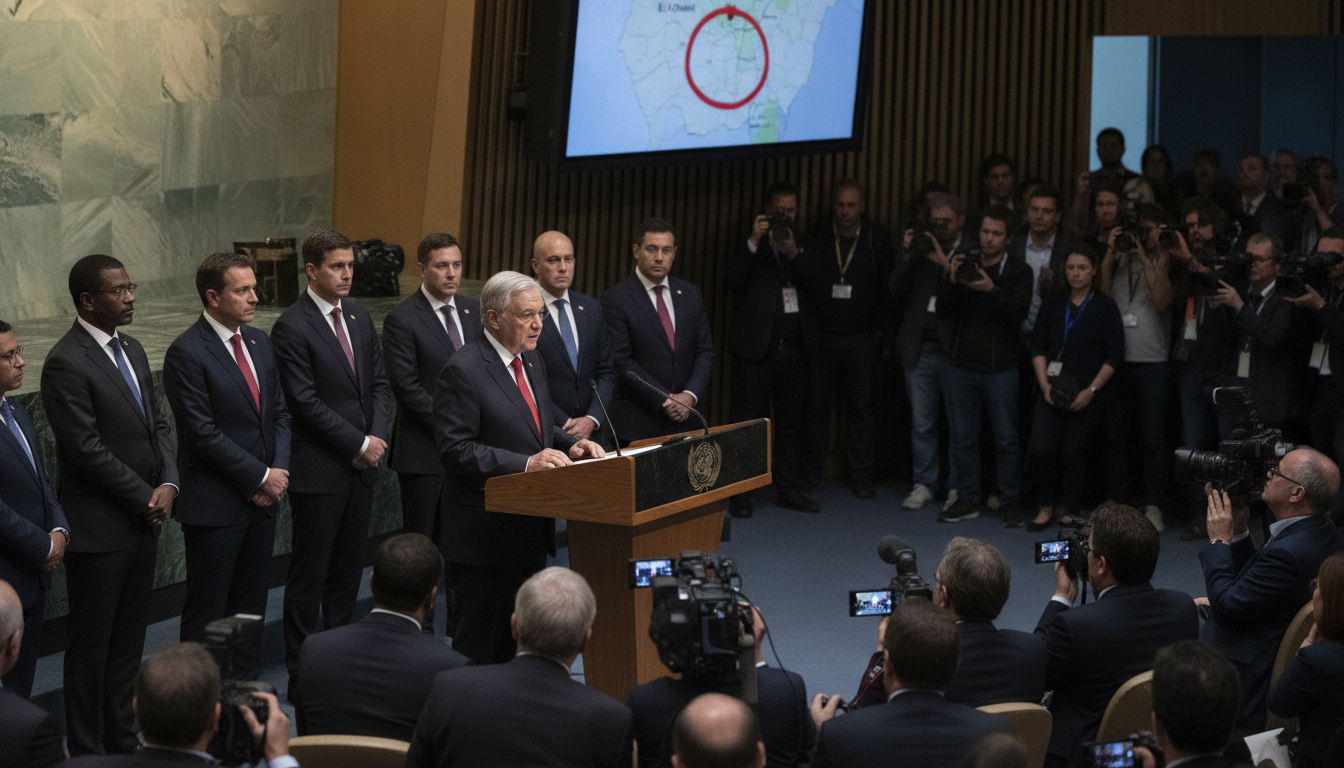
The United Nations and a coalition of countries warned Thursday that Sudan’s paramilitary Rapid Support Forces (RSF) could imminently escalate an assault on el-Obeid, placing hundreds of thousands of civilians at risk. Norway delivered the statement to the UN Human Rights Council on behalf of the Coalition for Atrocity Prevention and Justice for Sudan, and it said some 500,000 people face the danger of large‑scale atrocities. The coalition, which includes Britain, Canada, France, Germany, Ireland, the Netherlands and Sierra Leone alongside 21 other states, pressed for immediate international measures to prevent further civilian harm.
International coalition raises alarm over el-Obeid
The statement presented at the UN highlighted that el-Obeid, the capital of North Kordofan, has been a focal point of intense fighting and could see a renewed RSF offensive. Delegations warned that the city has endured siege‑like conditions for more than 18 months and that an offensive now would compound an already dire humanitarian situation. The coalition’s message emphasised the need for all states with influence to act urgently to prevent mass atrocities.
Reported civilian casualties and drone strikes
The joint statement said at least 50 civilians have been killed by ten consecutive days of drone strikes across el-Obeid and North Kordofan, with substantial damage to civilian infrastructure. Rights monitors and humanitarian agencies have documented attacks on markets, homes and health facilities, hampering relief operations and driving further displacement. These reports underscore the coalition’s concern that military operations are increasingly affecting non‑combatants and essential services.
UN rights chief warns of repeat of Darfur atrocities
UN High Commissioner for Human Rights Volker Türk warned that the situation in el-Obeid resembled patterns seen previously in Darfur, where mass killings and ethnically targeted violence occurred. Türk told the council that the world had “seen this playbook before” and cautioned against a repeat of preventable atrocities such as those recorded in al‑Fasher and the Zamzam IDP camp. He urged states with leverage over the warring parties to exercise it now to avert a looming human rights disaster.
Fighting dynamics: RSF, SAF and the contest for Kordofan
After more than three years of conflict, the Sudanese Armed Forces (SAF) control significant parts of the country’s central and eastern regions, while the RSF has consolidated control over much of Darfur in the west. The vast Kordofan region, including el-Obeid, sits between these spheres of influence and is strategically important for agriculture and population centres. Both sides have repeatedly clashed there, and international observers say control of Kordofan is a key factor in the broader trajectory of the conflict.
Humanitarian crisis: displacement, famine and access constraints
The coalition’s filing to the UN noted that nearly 14 million people have been displaced by the conflict and warned of spreading famine and disease in affected areas. Humanitarian groups have repeatedly cited obstacles to delivering aid, including insecurity, administrative impediments and attacks on convoys. The coalition reiterated that unhindered humanitarian access is essential to prevent widespread suffering and to stabilise the deteriorating conditions in and around el-Obeid.
Calls for accountability and prevention of ethnic violence
The statement referenced widespread credible reports of ethnically targeted violence, including sexual and gender‑based crimes, and called for accountability for perpetrators. The United States and several rights organisations have accused the RSF of committing atrocities in parts of Darfur that some allege amount to genocidal acts, allegations the RSF denies. The coalition urged states to apply maximum pressure on both the RSF and the SAF to cease actions that threaten civilians and to allow independent investigations where violations have been reported.
International diplomats at the council stressed that pressure can take many forms, from targeted sanctions and restrictions on arms transfers to diplomatic measures aimed at stopping offensives and protecting humanitarian corridors. Several representatives highlighted the responsibility of neighbouring states and regional organisations to use political and economic ties to dissuade further escalation. The coalition also called for the UN and other multilateral bodies to coordinate a strengthened response that prioritises civilian protection.
Volker Türk and rights groups emphasised the gendered impact of the conflict, noting that sexual violence has been used as a tactic in multiple theatres and that survivors require specialised support. Humanitarian agencies are appealing for increased funding and security guarantees to reach vulnerable communities, particularly women, children and internally displaced persons who lack safe shelter and medical care. Observers warned that without immediate action, the humanitarian situation in el‑Obeid and surrounding areas could deteriorate rapidly.
Diplomatic sources said Norway’s presentation at the Human Rights Council was intended to galvanise a broader international response and to signal unified concern among Western and African states. The coalition’s appeal underscores a growing frustration with the impasse between the warring parties and a determination among some capitals to seek concrete steps to prevent further mass suffering. Those steps, officials said, should combine urgent humanitarian relief with measures designed to limit the RSF’s and SAF’s ability to carry out operations that endanger civilians.
The coalition concluded its statement by reiterating the urgent need for all parties to respect international humanitarian and human rights law, to allow unfettered aid delivery, and to halt operations that target or disproportionately affect civilians. As diplomatic efforts continue at the UN, the situation in and around el‑Obeid remains perilous, with international actors warning that failure to act now could produce yet another large‑scale humanitarian catastrophe.
