
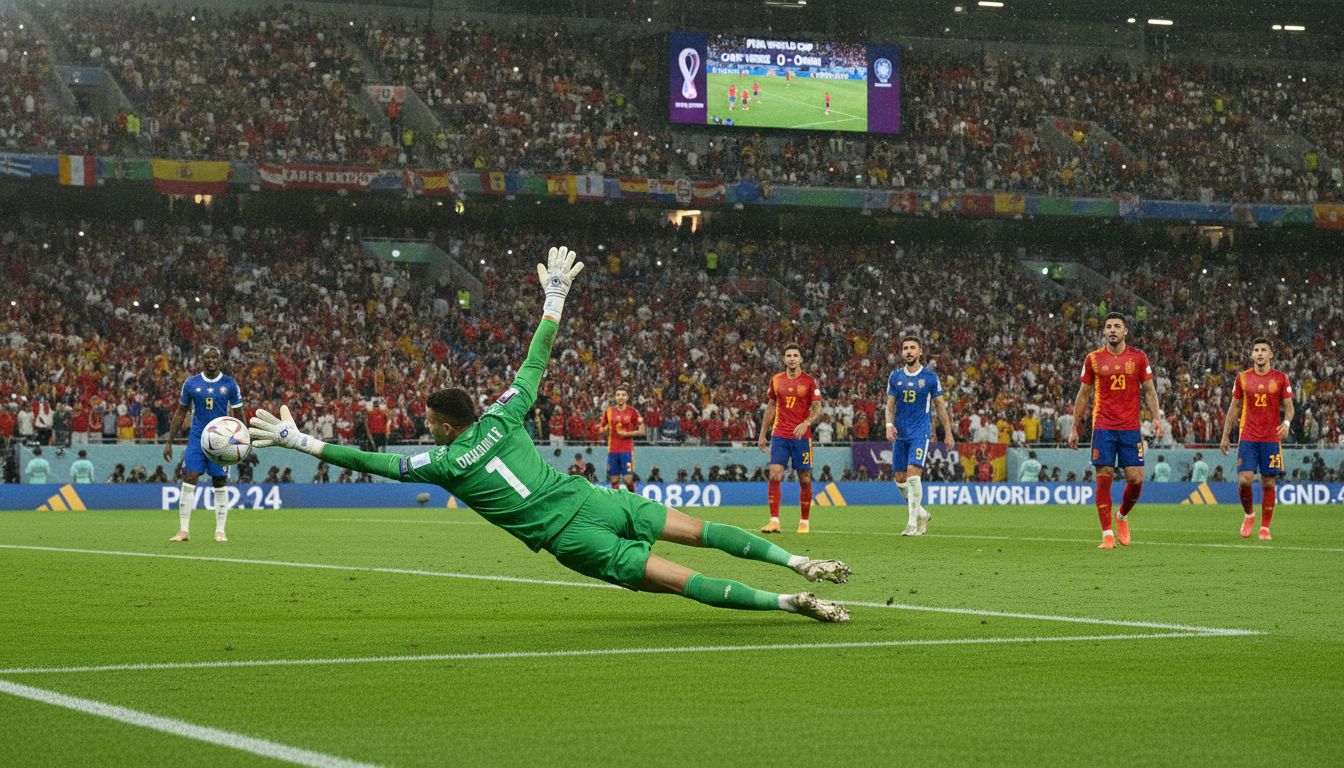
Cape Verde World Cup debut: Blue Sharks hold Spain to historic 0-0 draw as goalkeeper Vozinha shines
Cape Verde earned a 0-0 draw with Spain in their World Cup debut, a result that sent shockwaves through the islands and beyond; veteran goalkeeper Vozinha starred and his mother later reached the U.S. after a visa intervention.
Cape Verde’s World Cup debut ended in a remarkable 0-0 draw with Spain, a European powerhouse, in a match that thrust the island nation into the global spotlight. The Blue Sharks’ disciplined defence and the veteran goalkeeper Josimar José Évora Dias — known as Vozinha — frustrated Spain for the full 90 minutes. The result has catalysed celebration across Cape Verde while setting the stage for the team’s next group test against Uruguay.
Historic result on the world stage
Cape Verde’s scoreless draw with Spain marked the country’s first appearance in the World Cup and its most significant international result to date. The outcome underlined the impact of FIFA’s expansion of the tournament, which increased spots for African teams and allowed smaller nations to compete on football’s biggest stage. Observers noted that several newly qualified African sides have used their openings to secure surprising results against established opponents.
The draw also carries weight beyond sport, offering a potent moment of national pride for a nation of small islands and limited resources. For many Cape Verdeans the match served as confirmation that tactical discipline and resolute defending can level the playing field, even against teams with greater depth and star power.
Vozinha’s performance and personal story
At 40, Vozinha produced the kind of performance that can define a career: multiple fingertip saves, calm command of his area and timely judgement under pressure. The goalkeeper’s seven saves kept Spain off the scoreboard and elevated him to overnight prominence among World Cup storylines. His age and understated background — he is affectionately nicknamed “Vozinha,” Portuguese for “granny” — amplified the emotional resonance of his display.
Vozinha’s upbringing has been a frequent theme of local coverage, with family members recalling the strong bond he shared with his late grandmother. That backstory, combined with his veteran leadership, helped make him a symbol of Cape Verde’s wider achievement and a focal point for public admiration.
Family visa saga draws attention
The goalkeeper’s family faced an anxious off-field saga when his mother’s visa to the United States was delayed, preventing her from attending the match in person. Officials and relatives said the process was complicated by financial and administrative requirements that left family members struggling to secure travel in time. The situation drew criticism from some who argued that visa hurdles can prevent families from supporting athletes on the global stage.
According to accounts from the family, the case was ultimately resolved after intervention by U.S. officials, and Vozinha’s mother travelled to the United States to join relatives in Miami. Her departure from Cape Verde was marked by an emotional farewell at the airport and public expressions of pride in her son’s achievement.
Tactical discipline shaped the match
Cape Verde approached the game with a pragmatic, defence-first plan that prioritized compactness and risk management over expansive attacking. The Blue Sharks spent much of the match defending their penalty area and inviting Spain to create chances from distance, a strategy that relied heavily on organization and concentration. The approach minimized high-risk passes forward and forced Spain to work for openings rather than relying on quick transitions.
Coaches and players credited meticulous preparation and execution for the result, noting that staying true to the game plan was essential against a technically superior opponent. Local fans offered mixed responses: some praised the cautious tactics as realistic and effective, while others urged a bit more ambition in upcoming fixtures to try and secure points.
Group stage implications and the road ahead
Cape Verde now face a demanding group that includes two-time world champions Uruguay and a Saudi Arabia side that has shown growth in recent tournaments. Progression from the group will require another disciplined performance and at least one result in the remaining matches. For a small nation making its debut, the margin for error is slim, and each point is likely to be coveted.
Coaches have emphasized balance: preserving defensive solidity while looking for moments to exploit opposition vulnerabilities. Analysts say that if Cape Verde can replicate the composure shown against Spain and add a measure of attacking purpose, the team could complicate the table and keep hopes of a second-round berth alive.
Spirit and expectations in Cape Verde remain a study in contrasts, with cautious scepticism coexisting alongside buoyant optimism. Some residents described the result as a once-in-a-generation moment, while others warned that long-term success will depend on continued tactical discipline and clinical finishing in front of goal.
For now, the Blue Sharks have given their island nation reason to celebrate and to believe. The draw against Spain will be remembered not only for the scoreline but for how a small team used preparation, resilience and a veteran goalkeeper’s form to make a lasting impression on the World Cup stage.
