
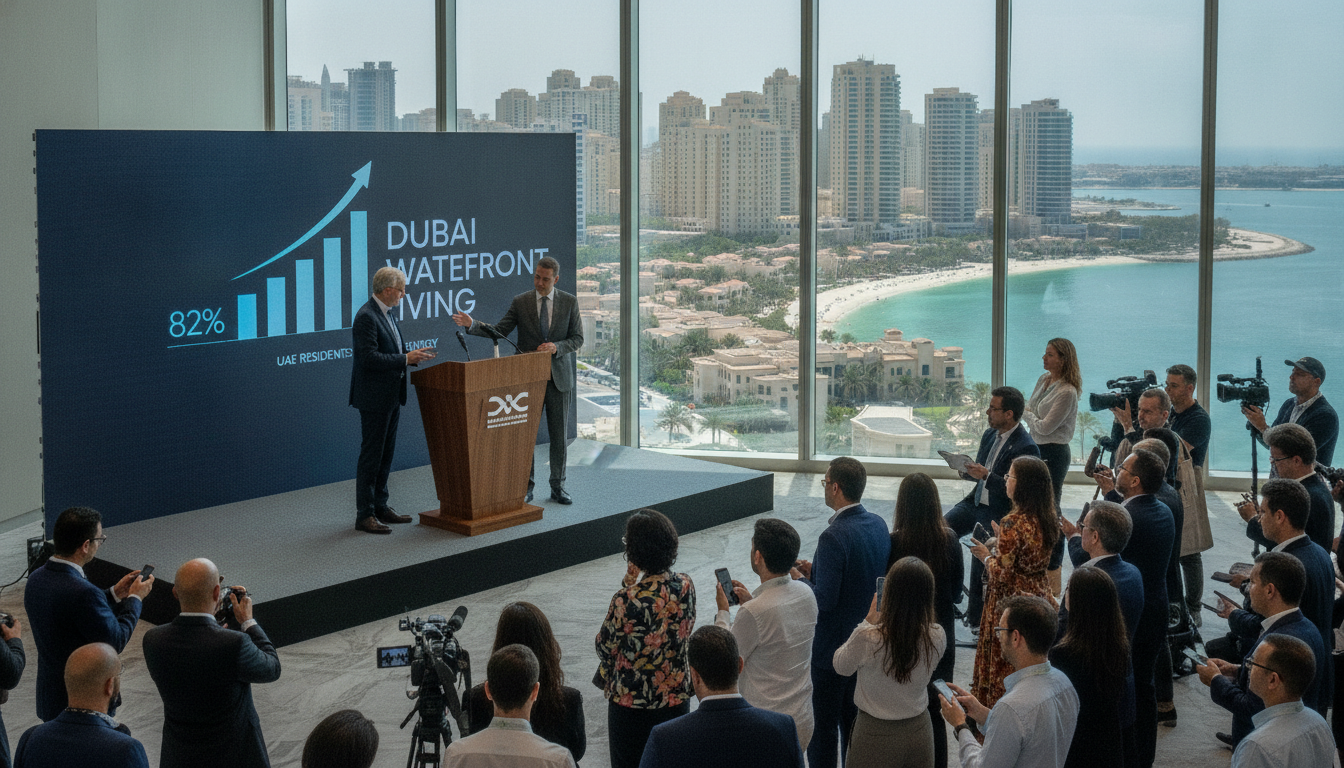
Study: 82% of UAE Residents Prefer Waterfront Living as Demand to Boost Property Premiums
YouGov and Shamal Holding report shows 82% of UAE residents plan waterfront living; 93% would pay more and 99% say waterfront boosts long-term property value.
Waterfront living is set to shape housing demand across the UAE after a new white paper released by Shamal Holding, based on a YouGov survey, found 82% of residents intend to live on or near the shoreline or marinas within the next two to three years. The study reports a strong readiness to pay premiums for waterfront access and highlights perceived gains in long-term investment value and daily quality of life. Policymakers, developers and urban planners are being urged to consider these preferences as they design future communities.
Majority of UAE residents plan waterfront living
The YouGov survey of 1,009 respondents indicates an overwhelming tilt toward waterfront living, with 82% saying they plan to move to coastal or marina-front properties in the short to medium term. Nearly all respondents—99%—view waterfront location as enhancing long-term property value, signaling sustained market appetite rather than a fleeting trend. This widespread preference suggests developers may face growing demand for residential projects that deliver direct water access and lifestyle amenities.
Financial willingness and lifestyle influence
Financial commitment to waterfront living is high, the report found, with 93% of participants willing to pay extra for proximity to water. Respondents also reported that living near the sea or marinas alters everyday decisions: 96% said waterfront proximity directly affects activities such as travel, exercise routines and stress management. These results point to a combined investment- and lifestyle-driven market where price elasticity may permit premium pricing for well-designed waterfront offerings.
Health, recreation and urban policy alignment
Eighty-eight percent of those surveyed said that waterfront living contributes positively to their physical and mental health, motivating changes in exercise habits when walking paths, promenades and marina facilities are available. The white paper frames these preferences within Dubai’s long-term spatial and social strategies, noting alignment with the Dubai Urban Plan 2040 and the Dubai Quality of Life Strategy 2033. Planners argue that waterfront-led development can support broader public-health and environmental objectives when integrated with active transport and public open spaces.
Shamal Holding perspective and development implications
Shamal Holding, which commissioned the white paper titled “The Future of Waterfront Living,” says the findings underscore the need for holistic planning that goes beyond mere location. Abdullah bin Habtoor, the company’s chief executive, emphasized that Dubai’s connection to the sea is central to its identity and that modern waterfront projects must combine residential, workplace and leisure functions. The report recommends detailed design standards and research-backed policies to deliver mixed-use waterfront neighbourhoods that balance commercial returns with community benefits.
Survey methodology and target demographic
The white paper’s analysis is based on a YouGov survey conducted during 2025 and targeted UAE residents with monthly incomes of at least AED 20,000. The sample included 393 high-income individuals earning AED 50,000 or more per month or those reporting net assets above US$1 million. This income-focused sampling was intended to capture preferences among buyers most likely to afford premium waterfront housing, though the report notes that broader population segments also expressed interest in coastal living.
Final paragraph
Market observers say the study’s findings could accelerate waterfront projects and influence valuation models across the UAE real estate sector, but they also warn that sustainable delivery will require careful regulation, resilient coastal infrastructure and public-access planning. Developers and municipal authorities will likely weigh these preferences against environmental constraints and long-term resilience needs as they translate rising demand for waterfront living into concrete projects.
