
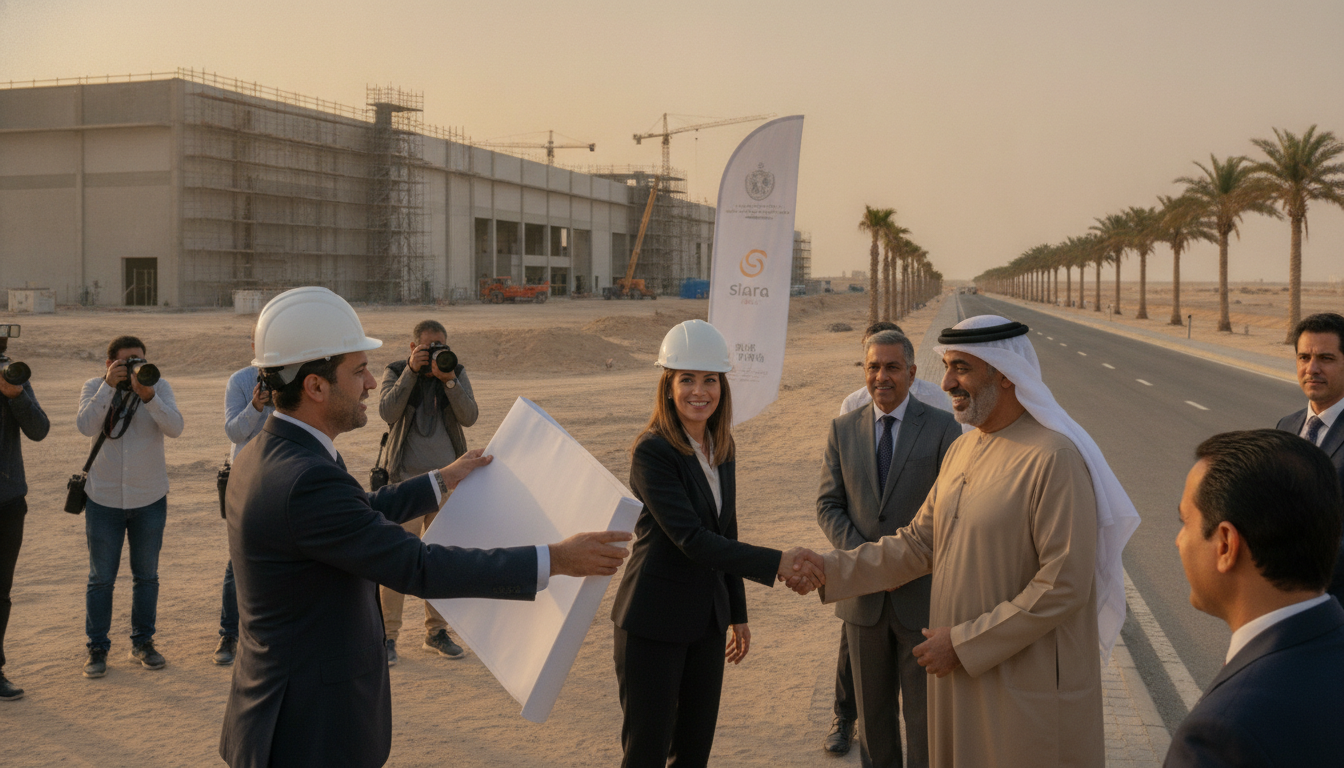
Seara names Ras Al Khaimah as regional manufacturing hub for Middle East expansion
Seara Ras Al Khaimah plant to produce 20,000 tonnes annually, leveraging UAE logistics and certifications to target North Africa, Southeast Asia and Europe.
Seara Ras Al Khaimah confirmed its selection of the emirate as the brand’s regional manufacturing hub, establishing production and distribution capacity to serve markets across the Middle East and beyond. The decision positions the JBS S.A. subsidiary to capitalise on Ras Al Khaimah’s strategic location, modern infrastructure and business-friendly environment. Company officials say the facility will strengthen access to regional and global markets while supporting food security objectives.
Seara’s strategic choice of Ras Al Khaimah
Ras Al Khaimah was chosen for its strategic port links and road connectivity to neighbouring GCC states, facilitating quicker shipments to key markets. The emirate’s industrial zones and customs infrastructure provide a supportive platform for Seara’s logistics and export ambitions. Local authorities have promoted an investment climate that international food manufacturers find attractive for scale-up and trade.
The plant’s placement in the UAE also taps into the country’s established cold chain and multimodal transport options, which are critical for poultry and meat exports. Seara expects these logistics advantages to reduce lead times and enhance the reliability of supplies across the region. That logistical resilience is central to the company’s plans to expand market reach.
Production capacity and expansion targets
The Ras Al Khaimah facility currently has an annual production capacity of about 20,000 tonnes, serving as a base for further increases in output. Management has outlined intentions to scale capacity in phases and to pursue new markets in North Africa, Southeast Asia and parts of Europe. Expansion plans are being driven by anticipated demand growth and the aim to diversify Seara’s regional footprint.
Investment in additional production lines and packaging capabilities is expected as market opportunities are confirmed. The phased approach will allow Seara to align capacity with customer needs while maintaining operational standards. Export orientation remains a priority, with the UAE site acting as a hub for regional shipments.
Manufacturing technology and international certifications
The Ras Al Khaimah plant employs advanced manufacturing automation and industrial control systems to deliver consistent product quality. Management emphasises the use of modern processing technology alongside strict food safety protocols to meet international requirements. These systems support traceability, efficiency and compliance across production operations.
Seara’s facility holds recognized certifications including ISO 22000, HACCP and BRC, reflecting adherence to global food-safety and quality benchmarks. Those certifications underpin trust with trade partners and retailers in target export markets. Continued investment in quality management and process automation is planned to sustain these credentials.
Food security and supply chain resilience
Seara has highlighted measures taken to maintain supply continuity during recent market disruptions, including diversifying sourcing and strengthening strategic inventories. The company said it leverages the UAE’s advanced logistics network to buffer against supply shocks and to ensure steady deliveries to local and regional customers. Such steps are positioned as part of a broader commitment to support food security in host markets.
Enhanced inventory management, combined with multiple supply channels, reduces concentration risk and improves response times during demand spikes. The Ras Al Khaimah facility’s integration into JBS’s global procurement and distribution systems reinforces resilience. This approach aims to keep shelves stocked while minimising volatility for consumers and retailers.
Economic and employment implications for the emirate
Establishing Seara’s manufacturing hub is expected to contribute directly to Ras Al Khaimah’s industrial growth and export activity. The operation will support downstream logistics, cold-chain services and local suppliers, creating business opportunities across the emirate’s value chain. While specific local employment numbers were not disclosed, the facility will require skilled and operational staff for production, quality control and distribution roles.
Beyond jobs, the plant enhances Ras Al Khaimah’s profile as a destination for food industry investment and could attract further projects in processing and agribusiness logistics. Officials see such foreign direct investment as reinforcing the emirate’s diversification strategy and export-led growth objectives. Ongoing collaboration between the company and local authorities will shape future development timelines.
Seara’s Ras Al Khaimah hub underscores the UAE’s role as a logistics and manufacturing gateway for multinational food producers, combining certification-driven quality controls with strategic export access. The facility’s current output and planned scale-up are designed to meet rising regional demand while supporting broader goals of supply stability and trade expansion.
