
Bahrain court sentences 25 in social-media terrorism cases
Bahrain court sentences 25 over support for Iranian attacks, banned data sharing and spreading false news on social media, handing multi-year jail terms and fines.
Bahrain court sentences 25 in high-profile trials
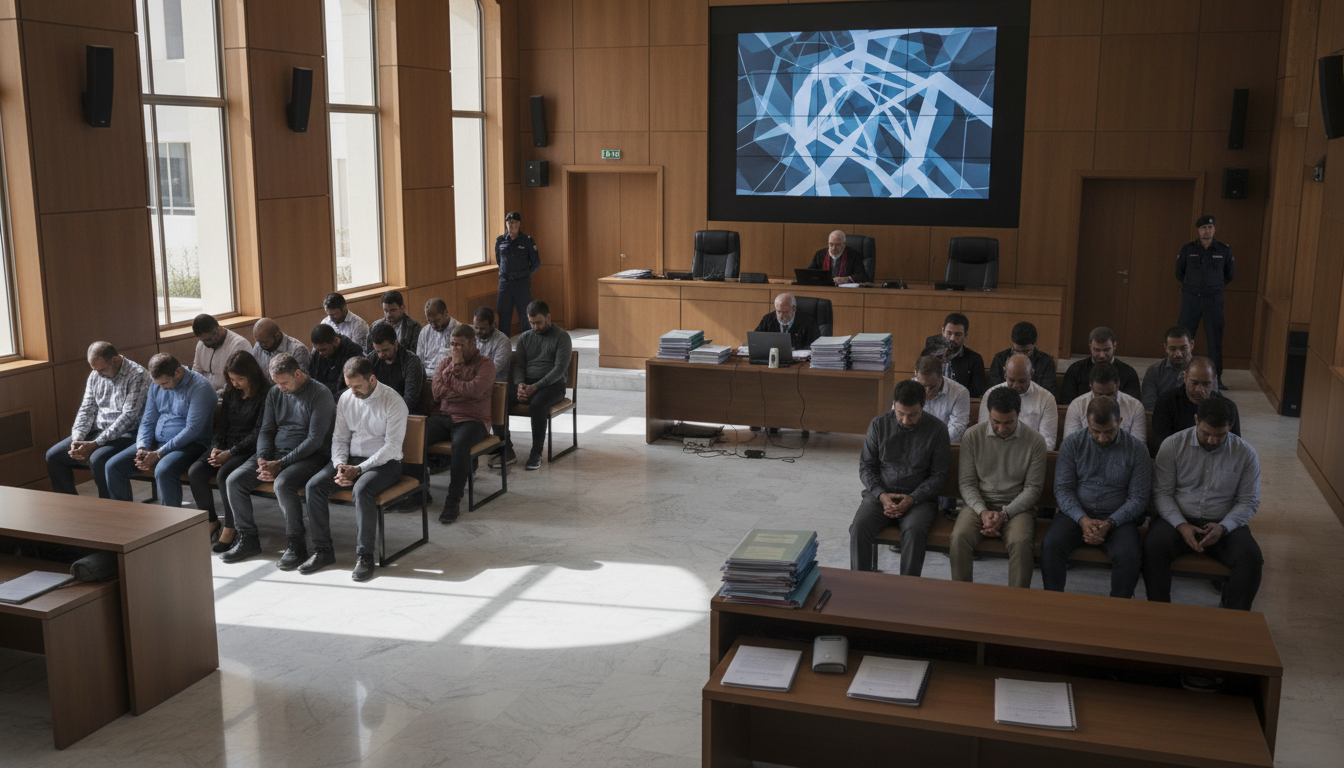
The Bahrain court sentences 25 individuals after a criminal tribunal found them guilty of supporting Iranian attacks, sharing prohibited biometric data and filming restricted sites. The cases, heard over several sessions, drew on evidence gathered by the national cybercrime unit and were referred to the Criminal Grand Court by the public prosecutor. Sentences range from one year to a decade behind bars, with fines and confiscation of seized materials ordered in several cases.
Details of the convictions and penalties
Twenty-four defendants received prison terms between five and ten years, while one defendant was sentenced to one year and fined the equivalent of 2,000 Bahraini dinars. Several convicted individuals were also handed monetary penalties in addition to custodial sentences, and the court ordered seizure of devices and material deemed instrumental to the offences. The convictions cover 22 separate cases that the prosecution grouped under terrorism-related charges arising from actions on social media and in restricted locations.
Charges brought by the prosecution
Prosecutors charged the defendants with endorsing attacks carried out by foreign actors against the kingdom, disseminating restricted biometric and sensitive data, and filming or publishing images of facilities where photography is prohibited. Counts also included broadcasting false news and rumours on social platforms with the stated purpose of undermining public morale. Authorities treated the dissemination of protected technical and biometric information as an aggravating factor given the potential risks to national security.
Investigation led by cybercrime unit
The Public Prosecution initiated the inquiries after receiving multiple reports from the cybercrime unit, which flagged accounts that appeared to promote the foreign attacks and circulate restricted material. Investigators traced the accounts to individuals, collected digital evidence and coordinated the referrals that led to formal charges. The case files compiled by the cybercrime unit formed the basis of the prosecution’s presentations during the criminal proceedings.
Court procedure and legal safeguards observed
The Criminal Grand Court examined the cases across multiple sessions, ensuring the presence of defence counsel and allowing defendants to present their arguments. The prosecution stated that all legal guarantees were observed throughout the trial process, and the court heard testimony and considered the electronic evidence submitted. Judges weighed the national security context alongside procedural safeguards before issuing the final verdicts.
Implications for social media monitoring and security
Officials viewed the rulings as part of broader efforts to deter the spread of disinformation and the unlawful transmission of sensitive material online. The convictions underscore an intensified focus on tracking and prosecuting digital activity that authorities determine threatens public order or national security. Analysts say the decisions may prompt tighter monitoring of social platforms and increased public awareness of legal limits on sharing protected data.
Reactions and public messaging
State communications emphasize the need to protect citizens and infrastructure from activities that could facilitate harm during periods of heightened tension. Government statements framed the prosecutions as necessary to safeguard national stability and to hold accountable those who amplify hostile actions or endanger security through online channels. There has been limited public detail released about individual defendants beyond the court’s summary of offences and sanctions.
Court orders include confiscation of mobile devices, storage media and other items identified as having been used to publish or transmit restricted information. Fines were levied in several cases to accompany custodial sentences, and the court’s rulings close the criminal process while allowing for any lawful appeals within the judicial timetable. Legal observers note that the combination of prison terms, financial penalties and asset seizures reflects the seriousness with which the judiciary treated the offences.
The prosecutions and sentences mark a notable enforcement action against online actors accused of supporting external aggression and misusing social media to spread falsehoods and sensitive data. Authorities say monitoring efforts will continue, and that the legal framework will be applied to cases where digital behaviour is assessed to threaten public safety or national interests.
