
UK to Decouple Electricity Prices from Gas with Fixed Contracts for Older Renewables
UK to decouple electricity prices from gas by offering fixed long-term contracts to older renewables and raising a generator levy to ease household bills.
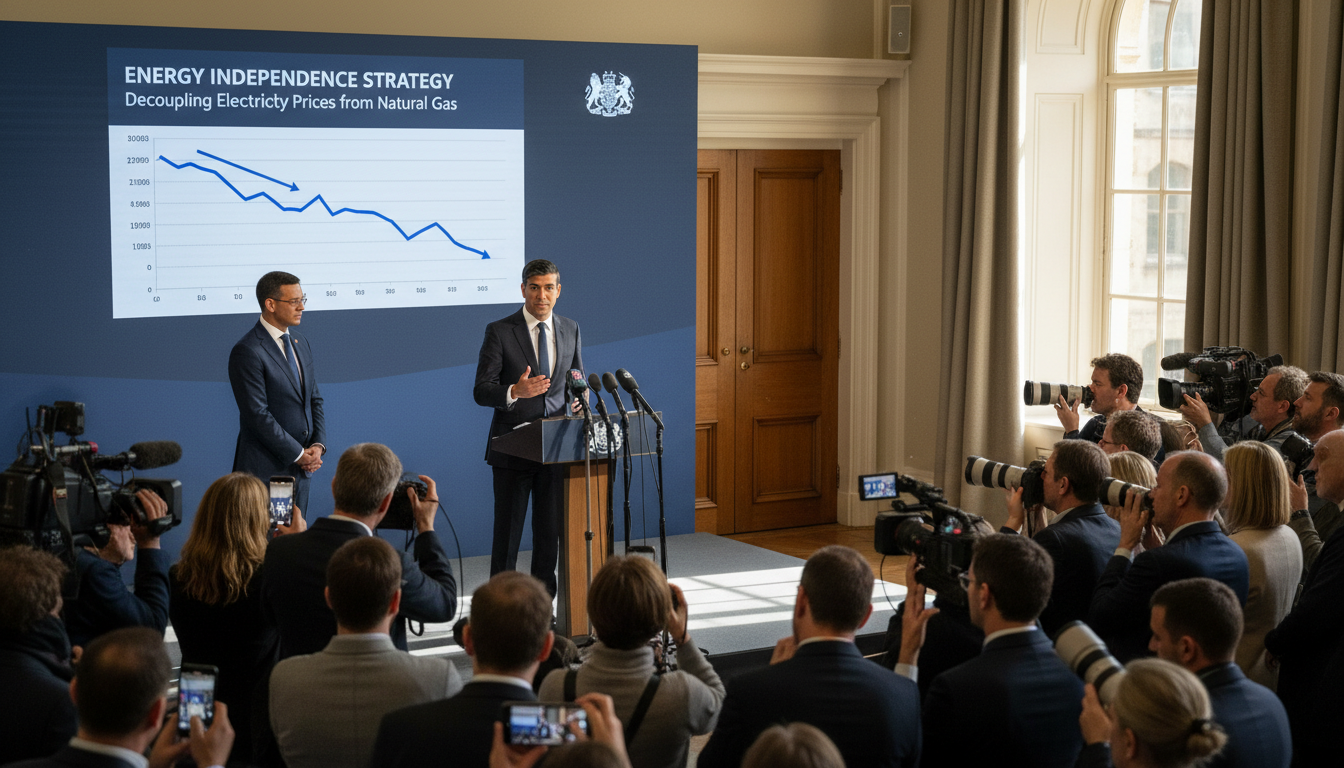
Britain unveiled plans to decouple electricity prices from gas by offering long-term fixed contracts to existing low‑carbon generators, aiming to blunt the effect of volatile wholesale gas on consumer bills. The measure would let older wind and solar projects receive predictable payments rather than revenues linked to short‑term gas prices, and ministers said the policy could cover roughly one third of the nation’s electricity supply. The announcement comes as the energy regulator moves to a quarterly price‑cap model and wholesale gas costs — cited by government officials — have risen sharply since the onset of the regional conflict.
Government unveils fixed-contract scheme for older renewables
The government said it will offer voluntary, long‑term fixed‑price deals to established low‑carbon plants that currently sell power at market prices tied to gas. Officials argue the contracts will shield households and businesses from short‑term spikes by ensuring a stable revenue stream for generators while decoupling their returns from gas market swings. Ministers also indicated the package is targeted at existing capacity rather than new projects, seeking a faster route to reduce price pass‑through to consumers.
Quarterly price cap set to push bills higher from July
Regulators will move to a quarterly energy price cap from July to September, a change the government warns could push retail bills higher if wholesale gas costs remain elevated. The shift away from shorter review periods means any surge in gas prices is more likely to be reflected in household tariffs for an extended period. Government sources said wholesale gas has climbed about 30% compared with the period before the recent regional conflict, a factor that threatens the administration’s pledge to ease living‑cost pressures.
Levy on generators increased to recoup excess payments
As part of the plan, the government will raise the tax rate applied to electricity generators from 45% to 55% to recover excess payments made to some renewables. That levy will be levied on returns earned by generators whose market revenues have been inflated by gas‑linked pricing, officials said, aiming to rebalance public costs and limit windfall gains. The move is designed to fund the fixed contracts while keeping the net fiscal impact manageable, but it is likely to draw scrutiny from industry groups and investors concerned about longer‑term policy stability.
EU warns of seasonal fuel risks for aviation and shipping
European energy and aviation officials have added pressure by warning of possible fuel shortages ahead of next summer, citing disruptions to supplies and the closure of the Strait of Hormuz. The EU’s energy commissioner told reporters that the coming season could be demanding even in the best‑case scenario, prompting plans to coordinate fuel distribution across member states. Airlines have cautioned that jet‑fuel availability may face constraints within weeks, underlining how broader regional tensions are feeding into energy policy decisions in the UK and across Europe.
Market and industrial implications for competitiveness
Analysts say decoupling electricity prices from gas would reduce cost volatility for energy‑intensive industries and households, potentially improving industrial competitiveness over time. However, firms warned that the proposed generator levy and changes to revenue models could alter investment signals for both new and existing low‑carbon assets. Energy companies and trade bodies are expected to press for detailed implementation rules and transitional safeguards to avoid unintended market distortions or legal challenges.
Implementation timeline and next steps for policy design
The government indicated it will consult with industry and regulators to shape the contractual terms and the mechanism for applying the higher levy, with ministers aiming to finalise arrangements before the new pricing quarter begins in July. Officials said participation in the fixed‑price scheme would be voluntary, and that the design will prioritize speed and simplicity to begin delivering bill relief as soon as practicable. Regulators will need to define eligibility, contract length and settlement arrangements to ensure the changes integrate with existing market frameworks.
The package marks a significant attempt by the UK to decouple electricity prices from gas and to redistribute the effects of recent wholesale shocks, but its success will depend on careful rule‑making, industry buy‑in and the evolution of gas markets over the coming months.
