
Dubai free zones council advances virtual assets oversight and halal industry support
Dubai free zones council boosts readiness: virtual assets regulation, halal sector support, FATF preparedness and a unified digital employment contract.
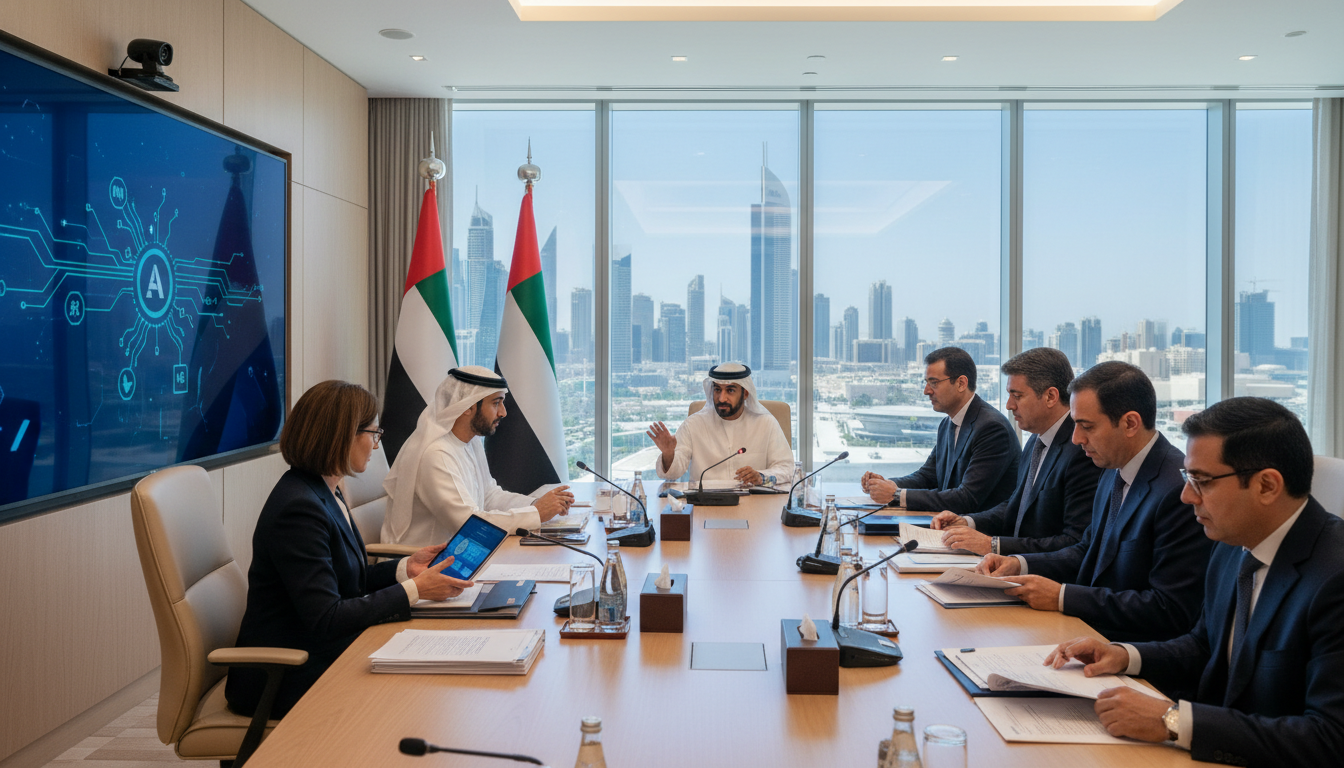
The Dubai Free Zones Council held its 34th meeting under the chairmanship of Sheikh Ahmed bin Saeed Al Maktoum, focusing on measures to strengthen the readiness and competitiveness of Dubai free zones. The council reviewed new economic packages and facilitation measures aimed at sustaining business operations and attracting investment. Discussions emphasized aligning regulatory and operational frameworks with the emirate’s D33 economic agenda to support resilience and growth.
Council reviews strategic initiatives to boost Dubai free zones readiness
The council heard updates from the economic team on recent initiatives and facilitation packages issued by Dubai’s Executive Council. Members praised free zones’ proactive approach to identifying business needs and delivering integrated support that reduces operational and financial burdens. The meeting underscored a continued push to raise regulatory preparedness and launch targeted projects that support emerging sectors.
The discussion highlighted the need for flexible, investor-friendly environments that maintain institutional identity while benefiting from unified procedures. Council members agreed on the importance of streamlining processes to preserve competitiveness and sustain investor confidence across all free zones. These measures are intended to ensure Dubai free zones remain attractive amid regional economic shifts.
Executive Council packages and business-support mechanisms examined
Officials reviewed specific facilitation measures designed to enhance business continuity and operational efficiency for companies in the free zones. The council noted progress on initiatives that ease licensing, compliance, and administrative processes and commended efforts to reduce red tape. Attention was given to measures that help firms manage cashflow pressures and maintain workforce stability.
Members also evaluated the role of digital systems and inter-agency coordination in speeding approvals and data exchange. Enhancements to electronic linkages and testing of data flows were highlighted as critical steps for delivering seamless services. The council reiterated that preserving each free zone’s institutional identity remains central while benefiting from unified platforms.
Virtual Assets Regulatory Authority presents oversight framework
A central item on the agenda was enabling innovation through responsible regulation of virtual assets, with a presentation by the authority responsible for virtual asset oversight. The council discussed proposed rules and standards for platforms and virtual asset service providers, focusing on supervision, cross-border interoperability and investor protection. Policymakers framed the regulatory work as essential to positioning Dubai free zones as a regional and global hub for virtual asset businesses.
Emphasis was placed on developing international-standard frameworks that facilitate smooth interoperability between systems and enhance economic sustainability and financial security across borders. The council stressed the importance of awareness, investor protection and measures that encourage innovation while mitigating operational and financial risks. These regulatory steps are presented as complementary to Dubai’s broader economic priorities under the D33 agenda.
Plans to expand halal industry manufacturing and compliance systems
The meeting explored ways to leverage free zones as platforms to boost local production of high-value halal products across food, agricultural and pharmaceutical sectors. Council members considered programs to support startups and technology companies working on food-tech, agri-tech and pharma innovations that align with halal standards. Discussions included incentives and incubation pathways to scale domestic capability and foster export-ready halal manufacturing.
A notable focus was on developing digital tracing and verification systems to ensure compliance across halal supply chains. The council deliberated on a system to track, record and verify adherence to halal standards from production through distribution. Members agreed that robust traceability would enhance market trust, support certification, and position Dubai free zones as reliable gateways for halal trade.
FATF readiness and enhanced AML/CFT coordination reviewed
The council addressed preparations for the upcoming Financial Action Task Force (FATF) assessment of the UAE’s anti-money laundering and counter-terrorist financing framework. Members reviewed proposals to close any gaps and strengthen inspection procedures, complaint-handling mechanisms, and inter-agency cooperation. Ensuring readiness for the FATF visit was presented as a priority to protect the country’s international standing and minimise potential classification risks.
Coordination on combating money laundering and terrorist financing, including operational alignment between regulatory bodies and free zones, was identified as critical. The council discussed enhancements to supervision, reporting and enforcement to support a robust compliance environment across Dubai free zones. These steps are designed to safeguard the integrity of financial flows and bolster investor confidence.
Progress on a unified digital employment contract for free zones
Officials updated the council on the rollout of a unified employment contract project in coordination with the General Directorate of Residency and Foreigners Affairs — Dubai. The scheme aims to create a digital, standardised employment contract for all free zones while preserving each zone’s institutional identity and operational practices. Council members reviewed implementation stages, from contract model agreement and electronic linkage development to testing data flows and full digital integration.
Participants noted that the unified digital contract would streamline hiring and administrative processes, facilitate data exchange and reduce paperwork for businesses. The council highlighted the project’s potential to improve workforce mobility and operational transparency across free zones. Full deployment was described as a key enabler for consistent labour practices within Dubai’s diversified free-zone ecosystem.
The council resolved to continue developing targeted initiatives that raise regulatory readiness, support new sectors and strengthen compliance, while maintaining the flexibility and attractiveness of each free zone. These coordinated steps are intended to reinforce Dubai free zones’ role as competitive, well-regulated platforms that encourage investment, innovation and sustainable economic growth.
