
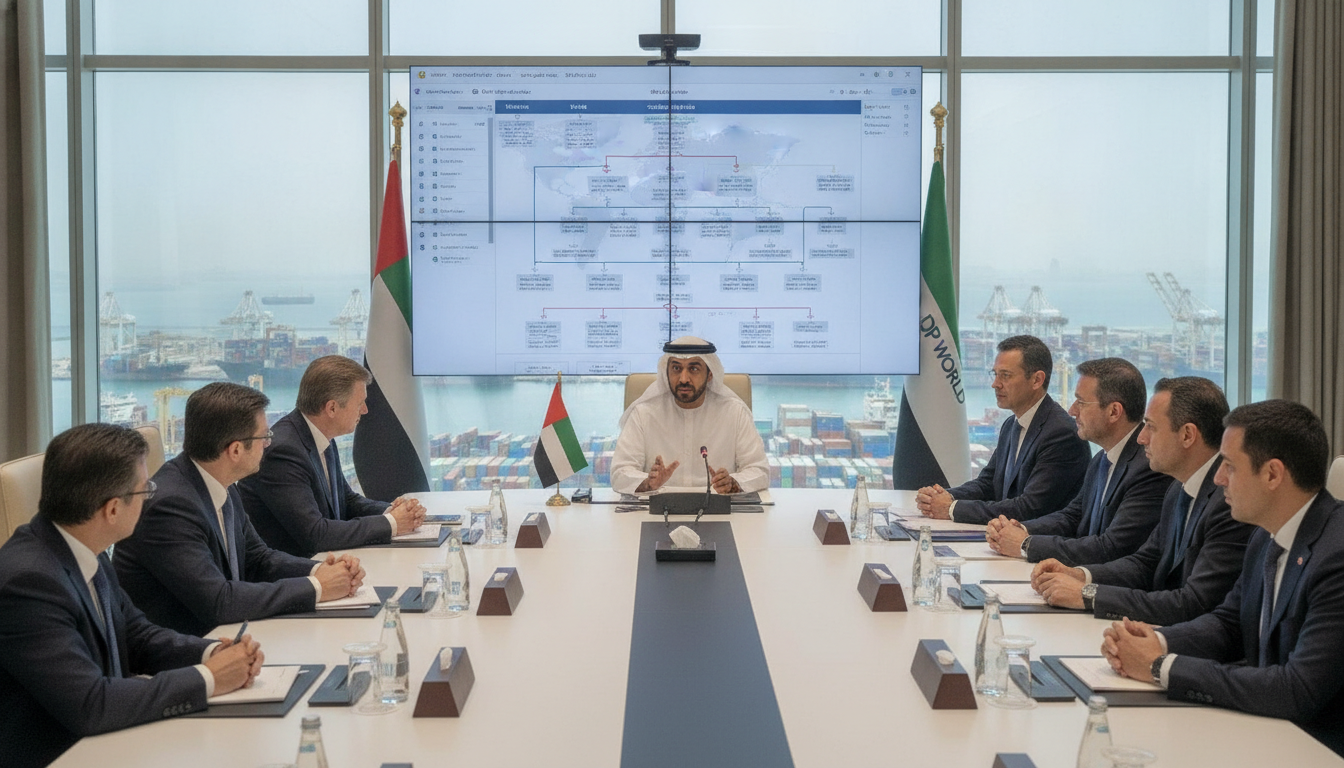
Dubai Ports Authority holds high-level meeting to strengthen container flow at Dubai ports
Dubai Ports Authority convenes shipping lines, agents and consolidators to improve container flow at Dubai ports and bolster supply chain resilience across the emirate.
High-level coordination meeting held in Dubai
Dubai Ports Authority, part of the Ports, Customs and Free Zone Corporation, held a high-level coordination meeting with shipping lines, freight agents, non-vessel operating common carriers and strategic partners to address operational developments affecting container flow at Dubai ports. The session brought together private and public stakeholders to review current performance, share operational data and set priorities to maintain cargo throughput and port efficiency. Officials emphasized the need for close, real-time coordination to reduce delays and ensure steady movement of goods through Dubai’s maritime gateways.
Meeting chaired by Captain Ibrahim Al Balooshi
The meeting was chaired by Captain Ibrahim Al Balooshi, the chief executive of Dubai Ports Authority within the Ports, Customs and Free Zone Corporation, who outlined a proactive operating model for the organisation. He reiterated that continuous monitoring and early response are central to preserving operational readiness across terminals and supply-chain partners. The chair called for strengthened direct communication channels between regulators, terminal operators and shipping stakeholders to speed decision-making when disruptions emerge.
Operational priorities and data sharing emphasized
Participants used the forum to exchange operational observations and performance metrics, with an aim to identify bottlenecks and harmonize procedures that affect container flow at Dubai ports. Emphasis was placed on timely sharing of manifest updates, berth schedules and yard capacity indicators to enable better planning by carriers and truckers. Stakeholders agreed that improved data transparency will help optimise vessel turnaround, reduce dwell times and lower overall handling costs for importers and exporters.
Measures to accelerate cargo handling
Discussion focused on practical measures to raise cargo-handling efficiency, including targeted process improvements at gate operations, coordinated slot management and incentives for timely container pickup. The authority and partners considered operational adjustments that can be implemented quickly to sustain throughput during peak demand or unexpected disruptions. Several attendees proposed pilot initiatives to trial enhanced appointment systems and integrated bookings to streamline land-side movements and relieve terminal congestion.
Enhancing integration across the maritime logistics chain
A key outcome of the meeting was an agreed approach to deepen integration between shipping companies, freight agents, consolidators, terminal operators and regulatory bodies. Participants noted that synchronized workflows and joint contingency plans will reduce the risk of cascading delays and strengthen the resilience of supply chains serving Dubai. The authority encouraged ongoing joint exercises and regular touchpoints to ensure all parties can respond coherently to market or weather-related changes that affect container flow.
Commitment to sustaining trade continuity
Officials reaffirmed the authority’s commitment to taking timely measures to preserve the efficiency and continuity of port operations, and to support the wider logistics ecosystem that serves the emirate’s trade flows. The Ports, Customs and Free Zone Corporation will continue monitoring operational indicators and coordinating with partners to implement agreed solutions. The collaborative approach is intended to maintain Dubai’s role as a reliable transshipment and trading hub for the region.
The meeting concluded with an action plan to track short-term measures and develop longer-term operational improvements, and participants committed to reconvening to review progress and refine coordination mechanisms.
