
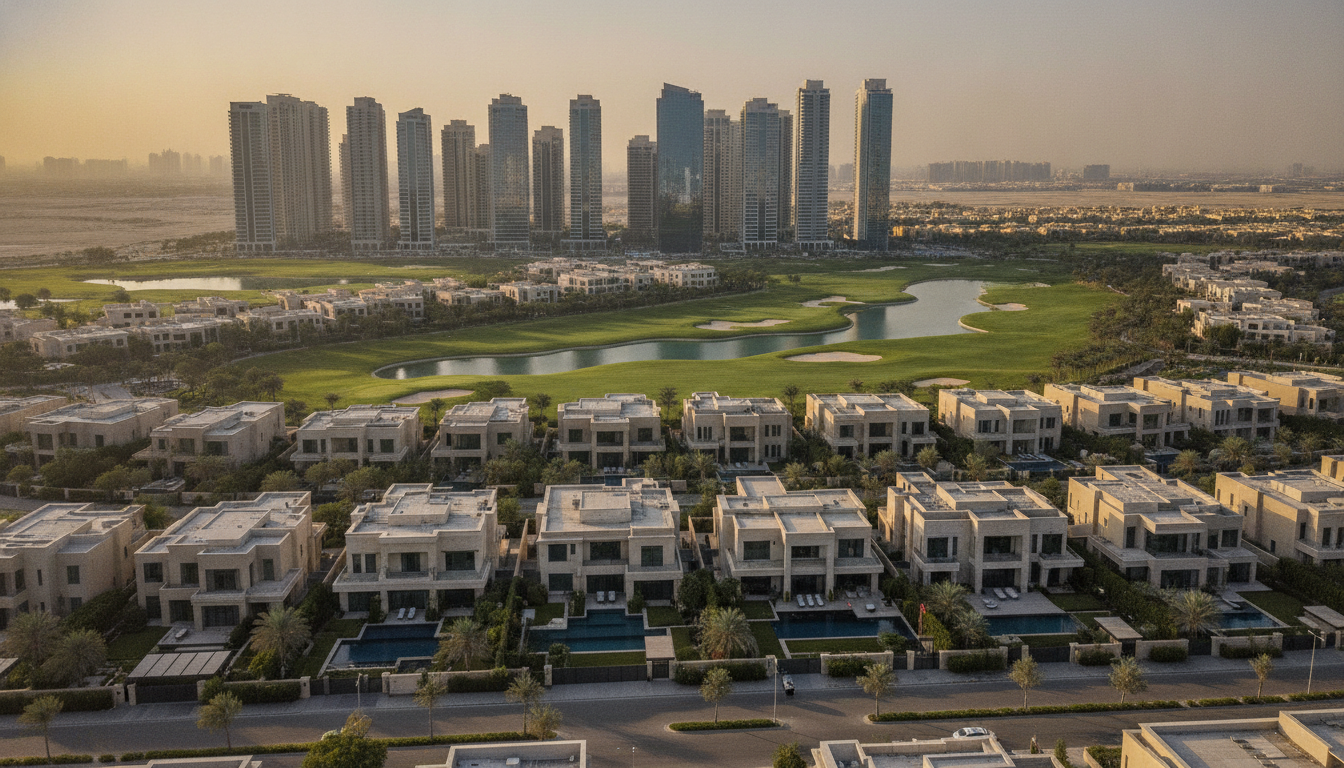
Dubai ultra-luxury real estate: villas drive H1 2026 growth with 269 deals worth AED 16.57bn
Dubai ultra-luxury real estate sees villas lead H1 2026 with 269 transactions totaling AED 16.57bn; luxury apartments retain top prices in prime waterfront projects.
Strong opening: market splits between villas and apartments
The Dubai ultra-luxury real estate market recorded a clear bifurcation in the first half of 2026 (January 1–June 30, 2026), with villas leading transaction growth while apartments held price leadership. Data from the DXBinteract property platform show 269 deals above AED 36.7 million (approximately $10 million), totaling AED 16.57 billion in value during the period.
This represented an 11.2 percent rise in deal count and an 11.5 percent increase in total value compared with the same period in 2025. The figures highlight a market moving on two parallel tracks: expanding high-end villa supply and tightly supplied branded waterfront apartments.
Villas Drive Transaction Growth in H1 2026
Villas dominated activity by volume and value, rising to 166 transactions from 124 in H1 2025 — a 34 percent increase. The total value of villa deals jumped to AED 9.42 billion from AED 7.28 billion year‑on‑year, with an average villa price of about AED 49.31 million.
Market participants point to new masterplanned communities and projects still completing registration as the main drivers of villa trade. Delayed closings and off‑plan handovers suggest that villa figures could increase further as remaining transactions are recorded.
Apartments Maintain Price Leadership Despite Fewer Deals
Luxury apartments recorded 103 transactions, down from 118 in the same period a year earlier, while aggregate apartment value slipped to AED 7.16 billion from AED 7.58 billion. Despite the softer volume, apartment pricing displayed resilience, with an average unit price rising to AED 53.17 million.
The period also included the market’s highest recorded apartment sale — a single transaction at AED 422 million — underscoring sustained demand at the top end. Branded and waterfront addresses continued to command premiums, supporting price stability even as deal numbers eased.
Shift in Geographic Hotspots: Gardens of Mohammed bin Rashid Tops Deal Count
Geography of high‑value transactions shifted markedly in H1 2026, with the Gardens of Sheikh Mohammed bin Rashid emerging as the busiest submarket. The area registered 43 deals worth AED 2.49 billion, overtaking Palm Jumeirah in deal count for the first half of the year.
Within that precinct, the Eden Hills development was the principal activity hub, contributing 32 transactions valued at AED 1.94 billion and posting an average deal price near AED 60.2 million. At the same time, Palm Jebel Ali recorded a notable uptick to 26 villa transactions from just 10 the prior year.
Branded Residences and Signature Projects Lead Value
Signature branded projects retained outsized influence on market value, with Aman Residences topping project rankings through 17 transactions totaling AED 1.84 billion. Baccarat Hotel and Residences in Downtown Dubai followed with 11 high‑value deals, while Como and Bugatti Residences continued to attract selective buyers.
These projects benefit from scarcity, strong brand appeal and waterfront positioning, factors that sustain buyer willingness to pay premiums. The concentration of value in a small number of projects reinforces the dual nature of the ultra‑luxury market.
Market Dynamics: New Supply Versus Waterfront Scarcity
The diverging performance of villas and apartments reflects two opposing supply dynamics across Dubai’s luxury segment. New villa communities and projects coming to market are expanding available stock, increasing transaction frequency and aggregate value.
Conversely, supply of prime waterfront apartments and branded residences remains limited, which keeps pricing elevated and supports single large transactions. The overall market balance will depend on how quickly new supply is absorbed and whether more branded product reaches completion.
Wealth Inflows and Millionaire Growth Support Demand
Broader wealth trends underpin demand for multi‑million‑dirham properties in Dubai. By the end of 2025 the UAE’s millionaire population reached roughly 183,000 individuals with net assets above $1 million, an increase of about 6,277 people or 3.5 percent year‑on‑year according to global wealth estimates for 2026.
The continued inflow and retention of high‑net‑worth individuals enhances the pool of buyers for ultra‑luxury homes and branded residences. That structural backdrop, coupled with targeted new supply, helps explain the market’s resilience through the first half of 2026.
The first half of 2026 sketches a luxury market of two speeds: villas broadening the base of activity while apartments preserve top‑end pricing. How the second half evolves will hinge on project completions, registration of pending transactions and whether demand from affluent buyers keeps pace with the growing supply of flagship villas.
