
Ebola outbreak in the Democratic Republic of Congo: death toll rises to 1,405 as WHO launches trials and emergency test
DRC Ebola outbreak death toll reaches 1,405 with 3,200 confirmed cases; WHO begins clinical trials for treatments and issues emergency molecular test approval.
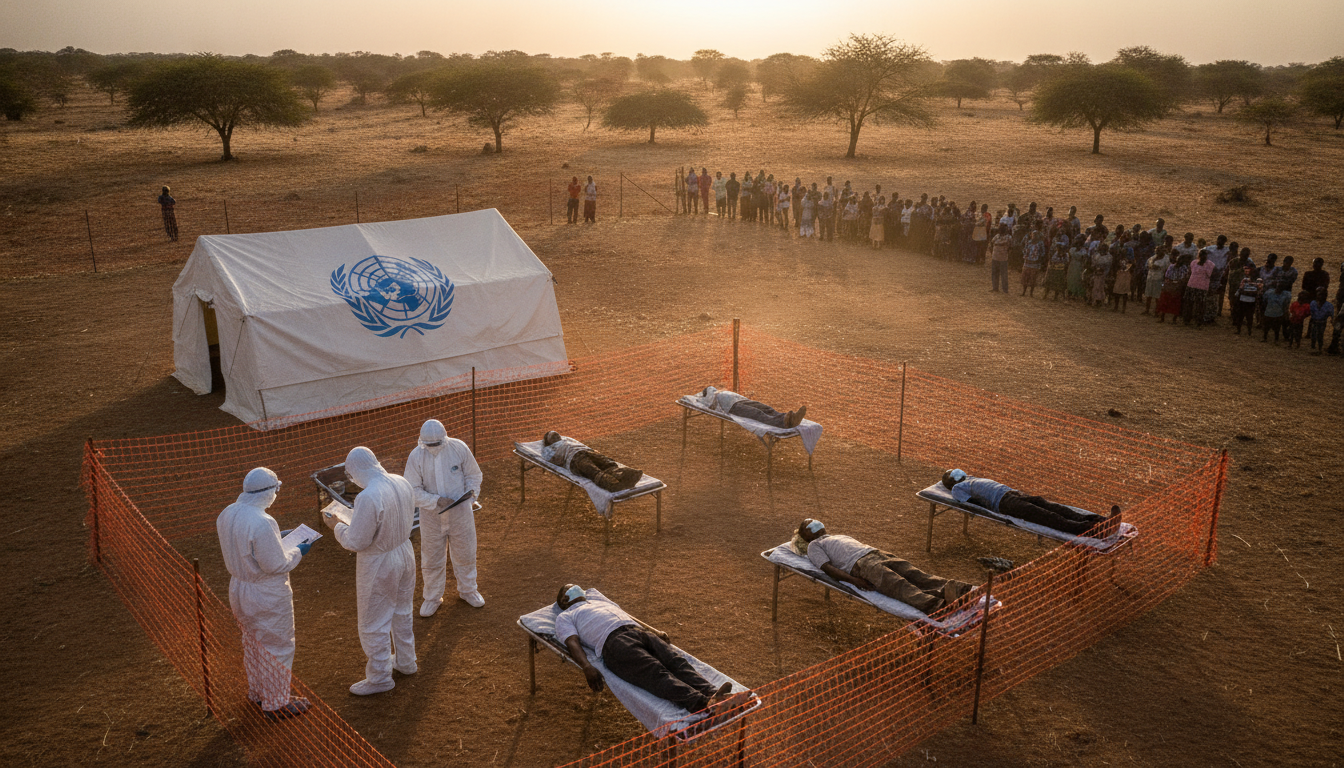
The Ebola outbreak in the Democratic Republic of Congo has claimed 1,405 lives and produced 3,200 confirmed infections, health authorities reported, deepening concerns about containment of a rare virus strain. The outbreak, first announced on May 15, has prompted an intensified international response after the World Health Organization authorized an emergency-use molecular diagnostic designed for the uncommon variant. WHO has also initiated clinical trials of two candidate treatments, signalling a shift toward targeted therapeutic evaluation alongside ongoing public health measures.
Death toll rises to 1,405
The Directorate of Health in the DRC confirmed the updated casualty figure after a renewed surge in reported fatalities. Authorities have been updating counts as surveillance teams access previously hard-to-reach communities and verify suspected deaths. The official figure underscores the severity of the current Ebola outbreak and the continuing human cost despite containment efforts.
Confirmed cases total 3,200
Laboratory-confirmed infections now stand at 3,200, according to the health ministry’s tally. Case numbers reflect both newly identified patients and recalibrated counts following laboratory confirmation and contact tracing. Public health teams have stressed that the reported figure may change as testing expands and backlog samples are processed.
Rare Ebola strain complicates response
Officials say the circulating virus is a rare Ebola strain, complicating diagnosis and clinical care because fewer diagnostic kits and less clinical experience exist for this variant. The unusual strain has required laboratory teams to adapt testing protocols and clinicians to revise case management approaches. Health workers have reported logistical challenges in deploying tailored diagnostics to remote health facilities where the outbreak is concentrated.
WHO launches clinical trials and approves emergency diagnostic
The World Health Organization has authorised emergency use for the first molecular diagnostic test specifically designed to detect this rare Ebola strain. WHO has also commenced clinical trials of two therapeutic candidates to evaluate safety and efficacy against the variant, aiming to provide evidence-based treatment options. These moves mark a coordinated push to pair improved detection with research on targeted treatments, while maintaining standard infection prevention and control measures.
Strain on local health systems and response capacity
The outbreak has put sustained pressure on the DRC’s health infrastructure, with hospitals reporting increased admissions and supply shortages for protective equipment and testing reagents. International partners — including WHO and other humanitarian organisations — are working to reinforce laboratory capacity, training, and logistics for specimen transport. Health officials continue to prioritise contact tracing, isolation of confirmed cases, and community engagement to limit further spread.
The ongoing emergency diagnostic approval and clinical trials are expected to accelerate case finding and inform clinical management, but experts caution that operational obstacles remain. Delivering new tests and investigational treatments to front-line facilities demands secure supply chains, cold storage where required, and trained personnel to administer and interpret results. Community trust-building and clear communication about treatment trials are also essential to ensure participation and adherence to public health guidance.
Local and international authorities emphasise surveillance and rapid response as the outbreak evolves, noting that early detection and isolation are crucial to reducing transmission. Vaccination campaigns and ring vaccination strategies have been important tools in prior Ebola responses, though their applicability depends on vaccine availability and the match to the circulating strain. For this outbreak, tailored diagnostics and rigorously evaluated therapeutics are now central components of the response architecture.
Public health leaders say that while the emergency measures represent meaningful advances, the human and logistical realities on the ground will determine whether the outbreak can be brought under control. Ongoing updates from the DRC health ministry and WHO are expected as trial results emerge and testing expands. Continued international support and effective local implementation remain key to preventing further deaths and controlling the spread of this rare Ebola strain.
