
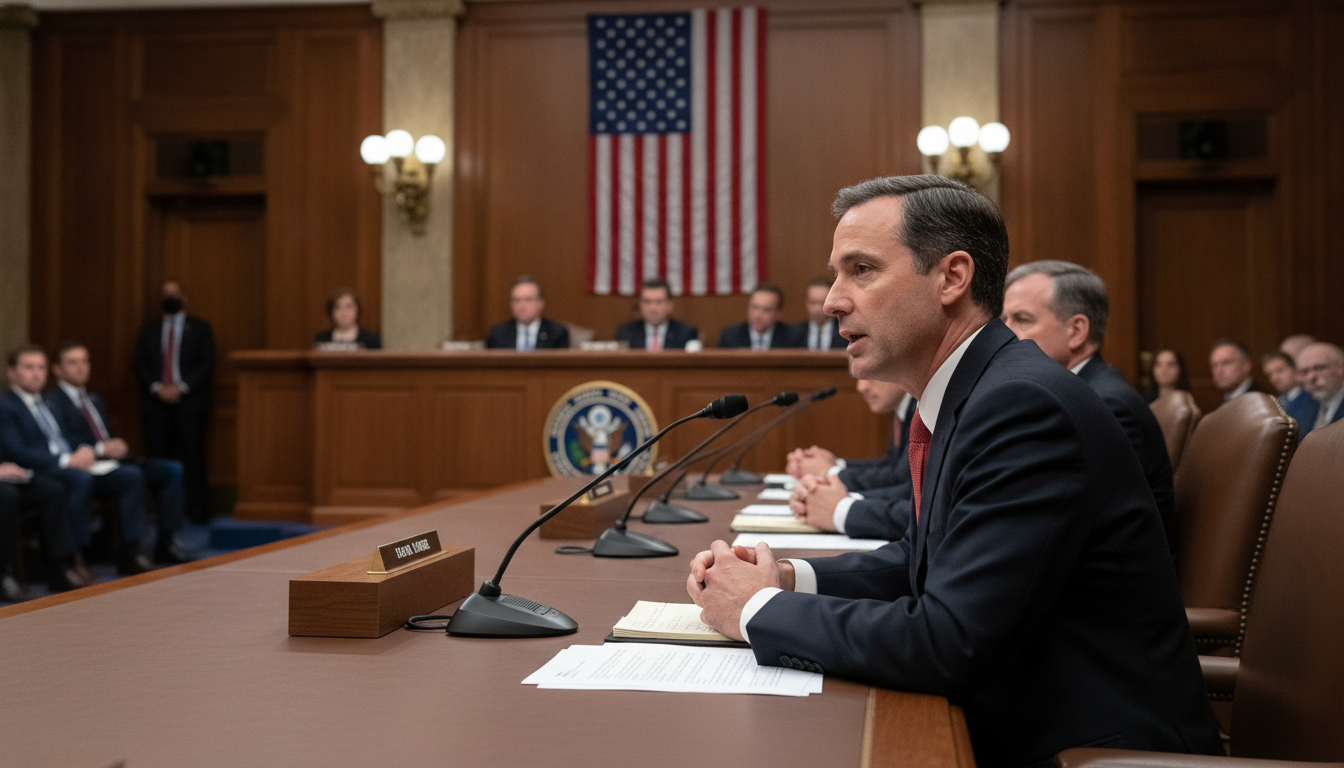
Kevin Warsh Says Trump Did Not Ask for Improper Intervention, Refuses to Detail Communications
Kevin Warsh told senators President Trump did not request any improper action, and he declined to disclose the content of any private communications with the administration.
Warsh’s Statement to the Senate
Kevin Warsh told senators on Wednesday that President Donald Trump did not ask him to take any improper actions while serving as chair of the Federal Reserve.
Warsh added that, even if such a request had been made, he would have refused to comply, signaling a firm public pledge to uphold his duties and the central bank’s norms.
Senators Asked About Contacts with the White House
The exchange came during a series of pointed questions from members of the U.S. Senate who sought to know whether Warsh had been in contact with the president since his appointment roughly two months earlier.
Lawmakers pressed for clarity about potential influence on monetary policy and governance, reflecting ongoing congressional scrutiny of interactions between the Fed and the executive branch.
Warsh Declines to Reveal Details of Conversations
When directly asked whether he had spoken with Mr. Trump, Warsh declined to answer on the substance of any such communications, saying he did not consider it appropriate to disclose private discussions with administration officials.
He framed the choice as a matter of protocol and confidentiality, emphasizing that the nature of internal conversations with government leaders is often protected to preserve candid exchanges.
Affirmation of Institutional Independence
Warsh’s public comments were accompanied by repeated assurances that he would not accede to requests outside the Fed’s legal remit, an implicit reinforcement of the central bank’s institutional independence.
Observers noted that such affirmations are frequently used by central bankers to reassure markets and lawmakers alike that monetary decisions remain insulated from short-term political pressures.
Context of the Appointment and Timing
Warsh’s confirmation to the Fed leadership took place about two months before the Senate session, and his nomination by the president brought immediate attention to the relationship between the new appointee and the White House.
The timing of the questioning reflects broader concerns in Congress and financial markets about how newly installed officials might balance political expectations with the Fed’s policy mandate.
Potential Market and Political Reactions
Markets tend to react to signals about central-bank independence, and public denials of improper influence are often intended to calm investors wary of political interference.
Political analysts said the Senate exchange could prompt further oversight or follow-up hearings if lawmakers remain unsatisfied with the level of transparency regarding interactions between the Fed and the administration.
Limits on Disclosure and Oversight Tension
Warsh’s refusal to recount private conversations highlights the legal and customary limits on what Fed officials routinely disclose about their contacts with the White House.
That stance, while consistent with long-standing practice, can create tension with congressional oversight responsibilities when lawmakers press for fuller accounts to evaluate potential policy conflicts.
Implications for Future Fed Communications
The episode underscores the delicate balance Fed officials maintain between preserving confidential dialogue and offering accountability to elected representatives and the public.
Future exchanges between the Fed and Congress may test that balance, particularly if legislative leaders demand more explicit assurances or records of communications in the interest of oversight.
The debate over how much detail officials should provide about private talks is likely to continue, as both transparency advocates and central-bank officials press competing priorities.
