
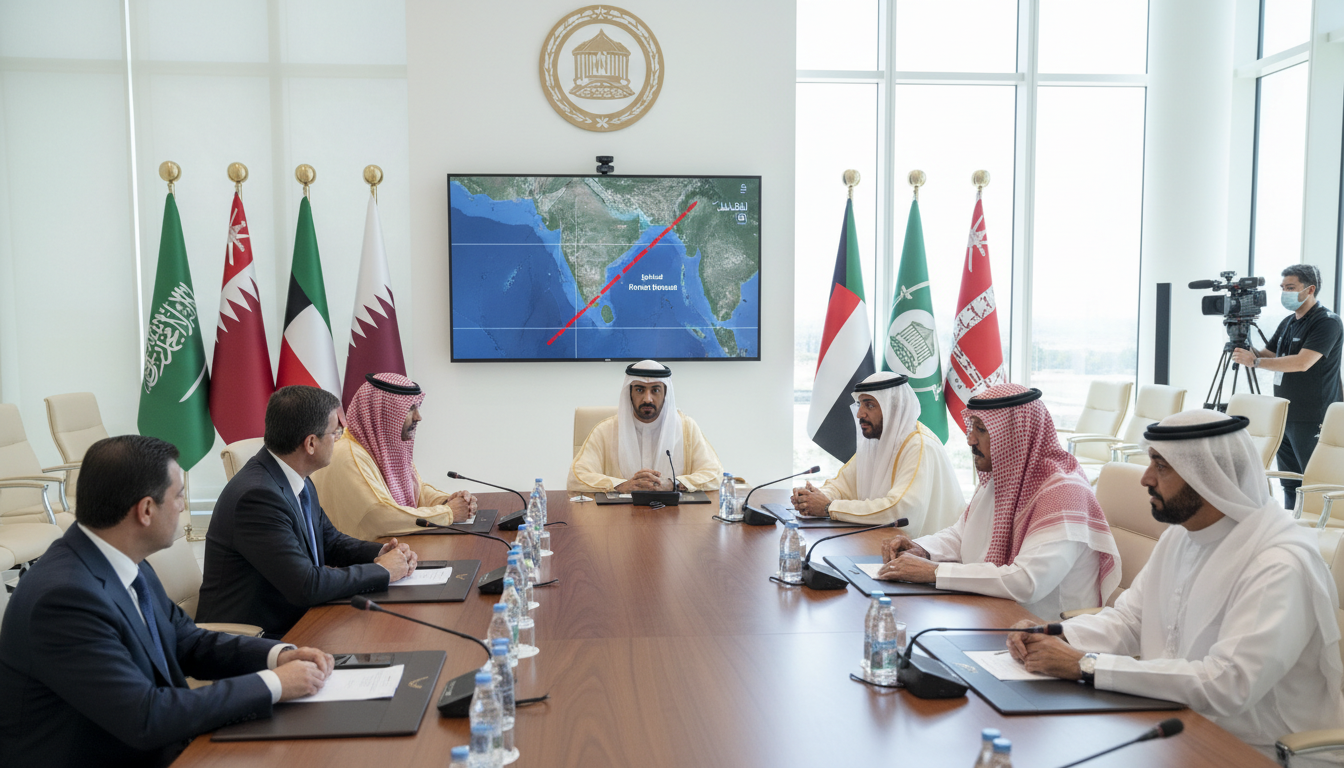
GCC consultative summit in Jeddah condemns Iran’s closure of the Strait of Hormuz
GCC consultative summit in Jeddah denounces Iran’s closure of the Strait of Hormuz and urges restoration of navigation to pre-February 28, 2026 conditions.
The Gulf consultative summit in Jeddah concluded with GCC leaders united in condemning Iran’s recent closure of the Strait of Hormuz and calling for the immediate restoration of free navigation. The summit, attended by heads of state and official delegations, made the issue of maritime security a central demand and set a clear deadline reference of February 28, 2026. Leaders also addressed a series of cross-border attacks that hit member states and Jordan, urging urgent diplomatic measures to de-escalate the crisis. The gathering produced a coordinated political position aimed at protecting commerce, sovereignty and regional stability.
Summit wrapped up in Jeddah with unanimous rebuke of Iranian measures
The meeting in Jeddah brought together leaders and heads of delegations from the Gulf Cooperation Council to discuss the fallout from recent regional escalations. In a statement read by Secretary-General Jassim Mohammed Al-Bedaiwi, the summit declared a categorical rejection of Iran’s actions that led to the closure and obstruction of navigation through the Strait of Hormuz. The leaders emphasised that any attempt to impose charges or restrictions on vessel passage would be unacceptable under international law. The communiqué set the restoration of navigation and safety as an immediate collective priority.
Leaders condemn Iran’s closure and disruption of maritime traffic
GCC states described the Iranian measures as unlawful and damaging to global trade routes that pass through the Strait of Hormuz, a chokepoint vital to energy shipments and commercial shipping. Delegations underlined that the closure posed direct threats to regional and international security by jeopardising the freedom of navigation. The summit language explicitly rejected any fees, tolls, or similar impositions on ships transiting the strait in any form. Leaders called for the international community to recognize the grave implications of sustained restrictions in one of the world’s busiest waterways.
Demand to revert navigation status to conditions before February 28, 2026
The summit set a concrete reference point, urging that conditions in the strait be returned to how they were before February 28, 2026. Delegations argued that restoring the previous status quo is essential for the resumption of normal commercial activity and for rebuilding confidence among regional partners. The leaders asked for immediate measures to secure maritime routes while diplomatic channels work toward a longer-term settlement. They also sought assurances that no new unilateral measures would be tolerated going forward.
Assessment of attacks on GCC states and Jordan’s infrastructure
Participants reviewed recent attacks that targeted civilian sites and infrastructure across several GCC states and the Hashemite Kingdom of Jordan, describing the incidents as blatant violations of sovereignty and international law. The summit strongly condemned the strikes, noting the human and material toll they inflicted and the erosion of trust that followed. Officials warned that such actions undermine regional cooperation and complicate efforts to find durable political solutions. Delegations stressed the need for accountability and steps to prevent further cross-border aggression.
Push for a diplomatic path and confidence-building measures
While the summit’s language was condemnatory, leaders emphasised a preference for diplomacy as the route out of crisis, calling for a negotiated process that addresses GCC security concerns. The statement urged Iran to take “serious efforts” to rebuild trust and to engage in constructive dialogue to resolve outstanding disputes. Gulf states proposed initiating confidence-building measures designed to reduce tensions and create conditions for reciprocal steps. The summit also discussed contingency plans for protecting commercial navigation while negotiations proceed.
Coordination on security and international engagement discussed
GCC leaders outlined plans to enhance coordination on maritime security, including measures to monitor and protect shipping lanes and critical infrastructure. The summit sought to align regional responses with applicable international law and to mobilize diplomatic outreach to partners concerned about global trade disruptions. Delegations indicated readiness to work with international organisations and maritime stakeholders to restore stability and reassure commercial actors. Officials committed to follow-up meetings and to maintaining a unified position in forthcoming diplomatic contacts.
Moving forward, the summit set in motion a sequence of political and security initiatives designed to pressure for the immediate reopening of the Strait of Hormuz and to prevent a recurrence of the recent disruptions. Leaders agreed on the need for close coordination, continued diplomatic engagement, and tangible confidence-building steps to rebuild a foundation of trust. The outcome from Jeddah signals a firm regional consensus that the free flow of commerce and respect for sovereignty must be preserved as negotiations continue.
