
U.S. Intelligence Studies Iran Response to Trump Victory in Ongoing War
U.S. intelligence agencies are assessing the Iran response to Trump victory declaration, weighing how a unilateral U.S. withdrawal could reshape regional security, nuclear risks and domestic politics.
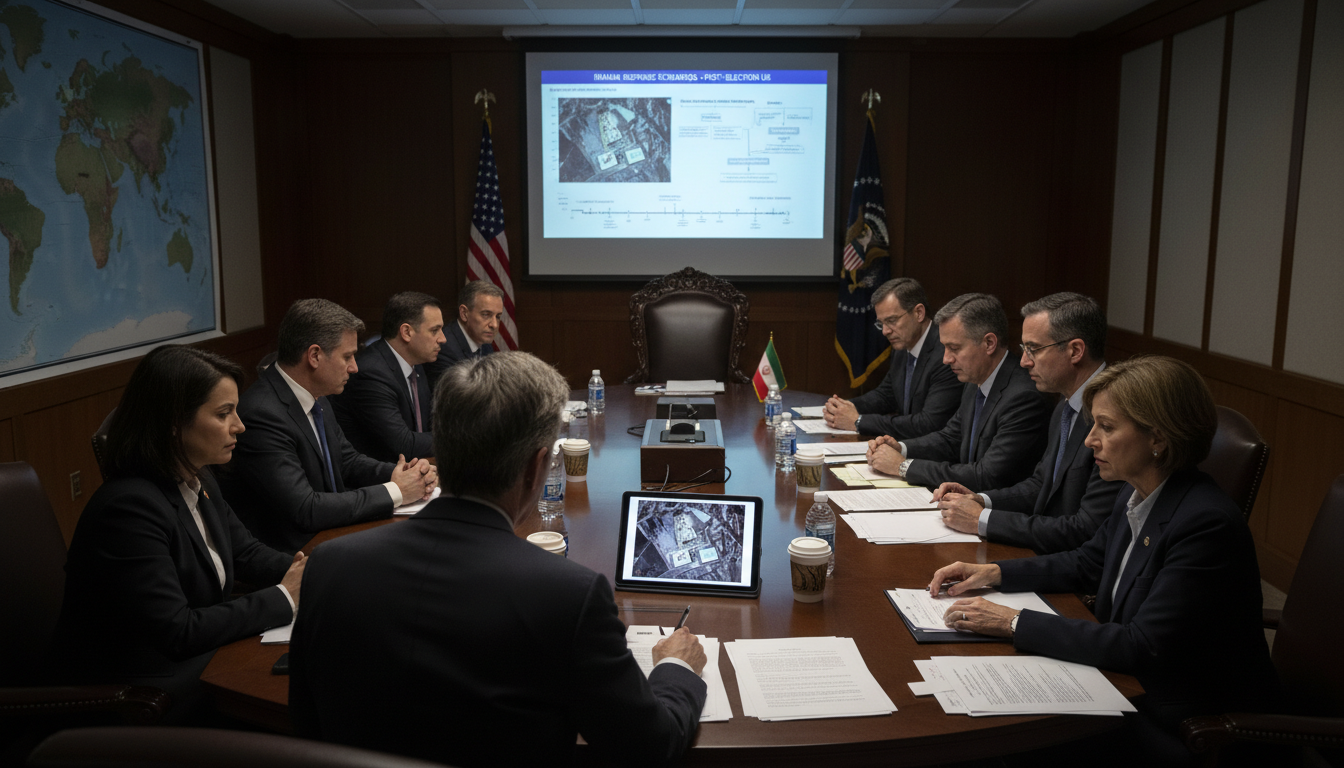
A review by multiple U.S. intelligence agencies is underway to map how Tehran might react if President Donald Trump were to declare a unilateral victory and pull American forces from a conflict that has lasted roughly two months. The assessment, requested by senior administration officials, aims to forecast military, diplomatic and political consequences of a rapid deescalation. Agencies are moving cautiously because officials say any decision could alter the trajectory of the war and affect political dynamics at home.
Intelligence review examines Tehran’s likely reaction
U.S. analysts are considering whether Iran would treat a U.S. withdrawal as a strategic win that bolsters its regional influence and political standing. Sources familiar with the matter say a declared American exit could be portrayed by Iranian leaders as proof of successful resistance, raising Tehran’s leverage across the Middle East.
Intelligence teams are also parsing signals from Iranian leadership to estimate whether Iran would respond with restraint, increased regional provocations, or accelerated programs that concern Washington. The work is classified and officials declined to be named while discussing sensitive deliberations.
Scenarios ranged from withdrawal to sustained presence
Officials told analysts that different U.S. postures would likely prompt distinct Iranian readings of American intent. A full withdrawal following a victory claim could be seen as a political capitulation, while asserting victory while maintaining a heavy U.S. footprint might be interpreted as a bargaining stance rather than an end to conflict.
Analysts examined the period after the first round of strikes in February as a reference point to model Tehran’s reactions. That earlier analysis suggested Iran would frame a U.S. pullout as a decisive outcome but might view continued American force presence as a negotiating tactic.
Political calculations ahead of U.S. elections
The intelligence review has a clear domestic political dimension because senior White House advisers worry about the war’s electoral consequences. Some officials fear that prolonging hostilities could produce significant Republican losses in the U.S. midterm elections later this year, prompting consideration of deescalation options that reduce immediate political pressure.
At the same time, advisers are weighing the long term fallout of any perception that Washington abandoned its objectives. A rapid drawdown that eases political strain could also embolden Iran, creating potential risks that would reverberate through future administrations.
Regional and nuclear implications of a U.S. pullback
A rapid reduction in U.S. presence could create space for Iranian influence to expand across neighboring states and nonstate actors, according to officials familiar with the intelligence work. That expansion could complicate relations with U.S. partners and allies who rely on American security guarantees in the region.
Intelligence analysts are particularly focused on the risk that Tehran would use the respite to rebuild or accelerate its nuclear and missile programs. Officials caution that a perceived victory could free Tehran to pursue capabilities that would pose renewed proliferation challenges for Washington and its partners.
Official statements and agency responses
The Central Intelligence Agency and the Office of the Director of National Intelligence declined to comment on ongoing assessments. U.S. officials who discussed the review spoke on condition of anonymity because the deliberations remain sensitive and could influence operational decisions.
A White House spokesperson said Washington remains in contact with Iranian counterparts on negotiations and will not rush into a deal that undermines national security. The spokesperson reiterated the administration’s position that Iran must never acquire nuclear weapons and that any agreement will prioritize U.S. security interests.
A final decision has not been made and senior officials emphasize that President Trump could resume operations if he chooses. For now the intelligence community continues to run through contingencies to inform policy choices that balance military, diplomatic and political consequences.
The outcome of the intelligence review will shape how the United States presents its next moves to allies and adversaries alike, with potential implications for the region’s balance of power and for Washington’s credibility on security and nonproliferation commitments.
