
GCC Condemns Iranian Attacks on Bubiyan Island and Vows Full Support for Kuwait
GCC denounces Iranian attacks on Bubiyan Island in Kuwait, calling them a breach of sovereignty and pledging support for Kuwait’s security measures nationwide.
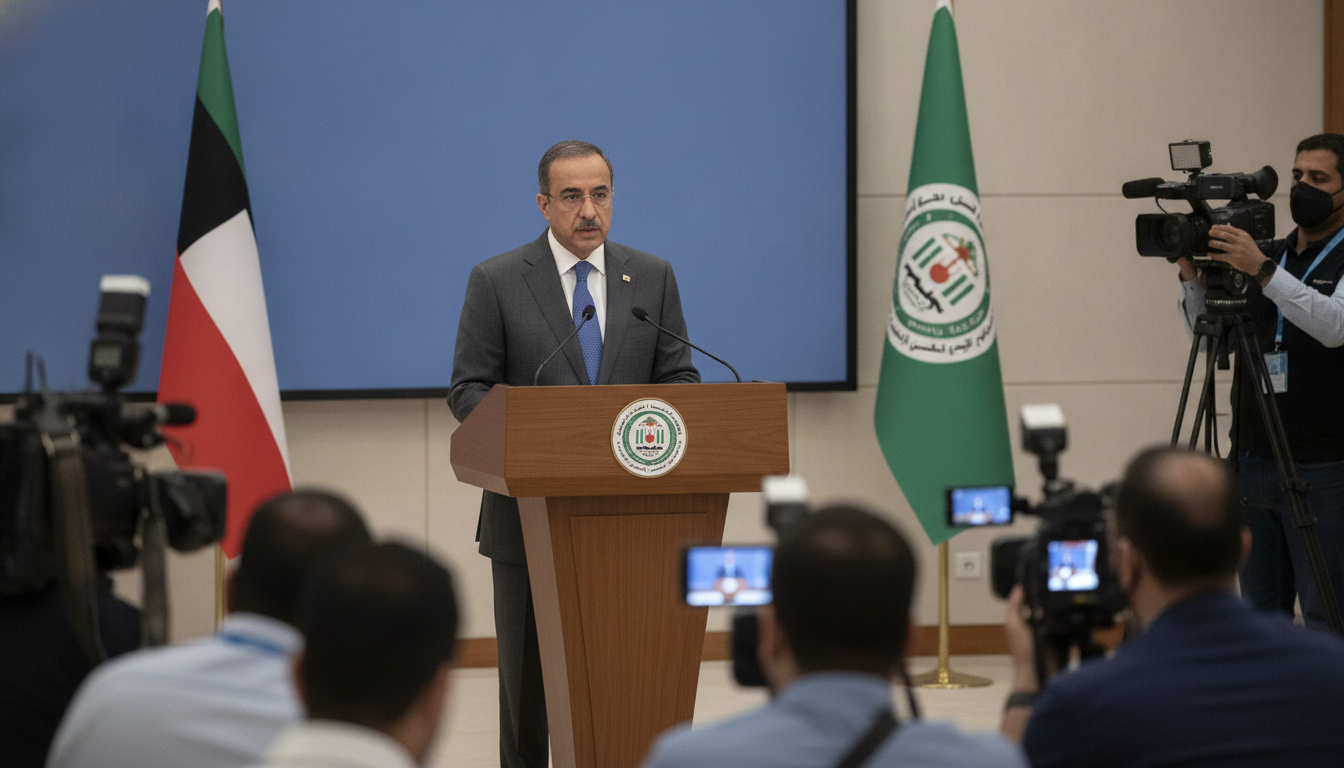
The Gulf Cooperation Council’s secretary‑general, Jasem Mohamed Al‑Budaiwi, issued a strong condemnation of the Iranian attacks on Bubiyan Island in Kuwait, describing them as aggressive strikes against a government facility and civilian company vehicles. He said the incidents represent a deliberate attempt to destabilize regional security and violate Kuwait’s sovereignty. The statement framed the attacks as a direct threat to the safety of citizens and residents and a breach of international law and the UN Charter.
GCC Secretary‑General Condemns Attacks
Jasem Mohamed Al‑Budaiwi used the council’s official statement to denounce the strikes in the strongest terms and to identify them as part of what he called an ongoing pattern of hostile behavior. He characterized the actions as a blatant violation of Kuwait’s territorial integrity and an affront to international norms governing state conduct. The secretary‑general’s remarks underline the GCC’s view that such incidents cannot be treated as isolated events.
Targets on Bubiyan Island Identified
According to the GCC statement, the attacks struck a government facility on Bubiyan Island and affected civilian vehicles belonging to a private company operating on the island. Bubiyan Island, located off Kuwait’s northeastern coast, hosts both military and civilian infrastructure and has strategic significance for the country’s coastal security. The council highlighted that assaults on mixed civilian and government sites risk broader harm to non‑combatants and critical services.
Allegations of Iranian Responsibility and Regional Context
The secretary‑general described the strikes as “Iranian aggressive attacks,” framing them as a continuation of Tehran’s purported strategy to undermine stability in the Gulf. While the GCC statement attributes responsibility to Iran, it stops short of detailing forensic evidence in the public release. The language reflects heightened regional tensions that have periodically spilled over into cross‑border incidents and political confrontations.
Legal and Security Ramifications
The council’s communique asserted that the strikes amount to a flagrant breach of Kuwait’s sovereignty and a serious violation of international law, including principles enshrined in the United Nations Charter. Such allegations raise questions about state accountability and the appropriate legal remedies available to affected states under international norms. The GCC underscored that attacks on sovereign territory carry consequences that extend beyond immediate physical damage, affecting diplomatic relations and regional stability.
GCC Solidarity and Support for Kuwait’s Measures
The statement made clear that the Gulf Cooperation Council stands in full solidarity with Kuwait and supports “all measures” the country adopts to safeguard its security, sovereignty and territorial integrity. That endorsement encompasses diplomatic, legal and defensive options, the council indicated, while emphasizing the need for measured responses that prioritize the protection of civilians. The GCC’s backing aims to strengthen Kuwait’s position as it evaluates next steps and seeks international support.
Calls for De‑Escalation and International Oversight
Alongside condemnation and support for Kuwait, the GCC urged restraint and called on the international community to uphold established norms against cross‑border aggression. The council appealed for de‑escalation and for any disputes to be resolved through diplomatic channels and multilateral mechanisms. It also highlighted the role of international institutions in investigating violations and in facilitating accountability without further inflaming regional tensions.
The immediate diplomatic fallout is likely to include intensified consultations among Gulf capitals and with international partners about both response options and preventive measures. Kuwait’s own decisions in the coming hours and days will be pivotal in shaping whether the incident evolves into a wider confrontation or is contained through coordinated political and legal action. The GCC statement frames the events as a test of regional mechanisms for preserving stability and protecting sovereignty.
