
Germany heatwave to peak July 30, 2026 with highs near 40°C as DWD warns of storms and gale-force winds
Germany heatwave to peak July 30, 2026 with highs near 40°C; DWD warns of storms, gale-force winds and heat-related health risks nationwide as temperatures soar.
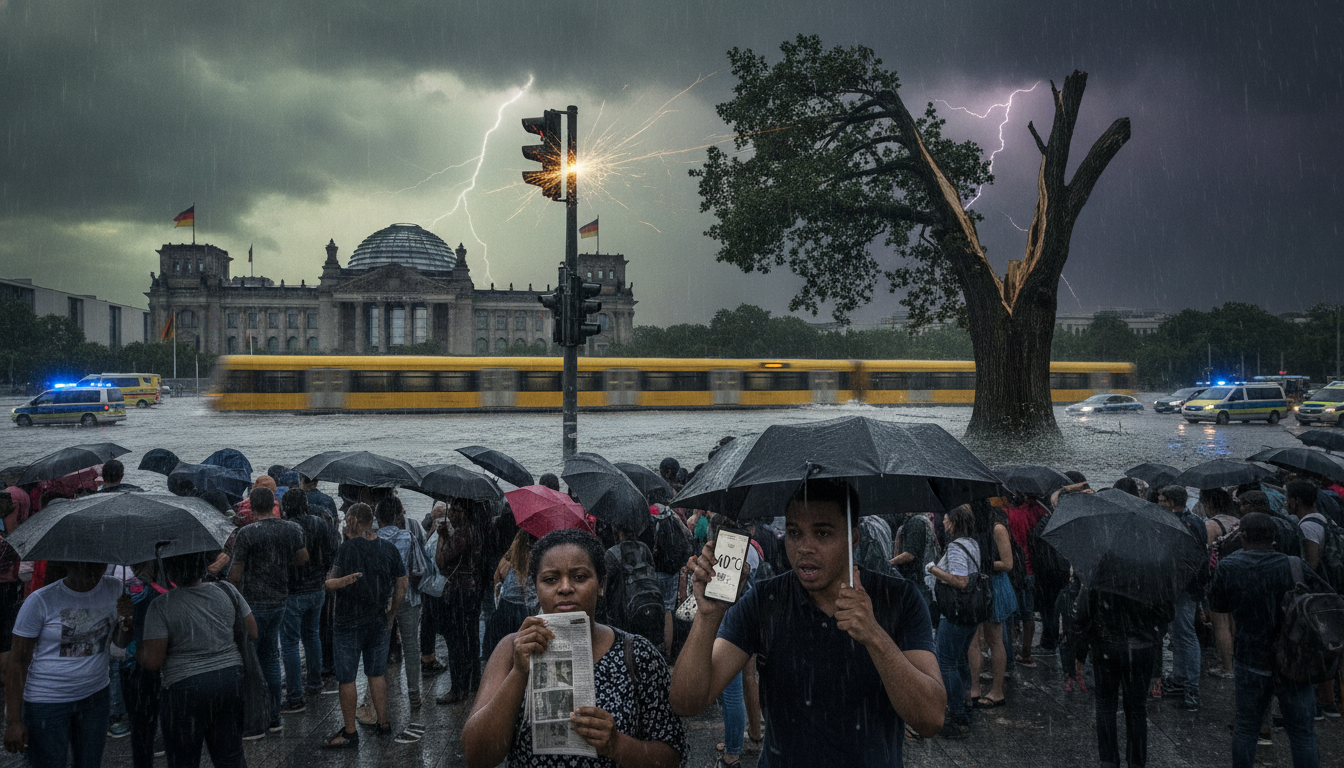
The Germany heatwave is expected to reach its most intense phase on Thursday, July 30, 2026, with daytime highs approaching 40°C in parts of the country. The German Weather Service (DWD) forecasts coastal temperatures of 26–31°C and widespread inland highs between 32–39°C, while some localities may record temperatures close to 40°C. Alongside the heat, DWD warns of severe thunderstorms and gusty, potentially gale-force winds that could develop from the south-west and west.
Forecast and peak temperatures
The DWD outlook indicates a marked temperature contrast between coastal and inland areas on July 30, 2026. Coastal strips are expected to remain relatively cooler, while large parts of southern and central Germany will experience prolonged daytime heat in the high 30s Celsius.
Local peaks near 40°C are possible in isolated locations, driven by persistent sunshine and southerly airflows. These extreme values come after several consecutive warm nights that have limited overnight relief in many regions.
Thunderstorms and wind threat
Meteorologists say the heat will be accompanied by an elevated risk of thunderstorms that form along frontal boundaries moving in from the west. DWD forecasters highlight the potential for severe, fast-developing cells that could bring heavy rain, hail and sudden wind gusts.
DWD meteorologist Niko Bauer warned residents to exercise caution outdoors, noting that “strong winds and storms may become widespread and concurrent, with gusts locally reaching levels that can uproot trees and displace large objects.” Authorities have signalled preparedness for localized storm damage and transport disruptions.
Regional timeline and key dates
On Wednesday, July 29, 2026, much of the south-east was expected to see bright sunshine while showers and thunderstorms formed over the south-west and west. Those disturbances were forecast to spread gradually through central and northern regions into Thursday evening.
The night of Thursday to Friday, July 30–31, 2026, is anticipated to carry showers and thunderstorm activity into the north-east, with new storm development possible in the south-west by Friday morning. Friday, July 31, 2026, is likely to present a divided weather pattern, with very warm conditions lingering in the south-east and more comfortable afternoon temperatures elsewhere.
Health warnings and public safety advice
DWD has issued warnings about widespread heat strain, especially across south-west, west and north-west Germany on July 29 and 30, 2026. The service advises people to avoid prolonged exposure to high temperatures, stay hydrated and keep indoor spaces cool whenever possible.
Public agencies also emphasise the compounded risk when extreme heat coincides with strong winds and heavy rain, which can increase the hazard to vulnerable people and critical infrastructure. Medical services and local authorities are being urged to check on the elderly, children and those with pre-existing conditions during the peak heat period.
Transport and infrastructure risks
Storms embedded within the heatwave carry a heightened risk to transport links and outdoor events during the peak day and the following nights. High winds can affect road traffic, rail services and short-haul flights, while sudden downpours raise the risk of localized flooding on urban streets.
Utilities and emergency planners are monitoring the situation for potential tree damage and power outages as strong gusts coincide with saturated ground in storm-affected areas. Municipal crews have been advised to prepare for rapid response to fallen trees and debris.
Weekend outlook and short-term recovery
The weekend beginning August 1–2, 2026 is expected to start with somewhat more moderate daytime temperatures and intermittent thunderstorms in some regions. DWD forecasts that the hottest conditions will return on Sunday and Monday, particularly across southern and south-eastern Germany, suggesting the heatwave may not have fully subsided.
Lower evening temperatures after storm passages should allow for better overnight ventilation in homes compared with the preceding nights. Residents are advised to stay updated with the latest local forecasts and warnings as conditions evolve.
Emergency responders and health services urge people to follow local guidance, secure loose outdoor items ahead of forecast gusts, and refrain from unnecessary travel during severe storm periods. Staying informed through official weather updates remains essential as the Germany heatwave develops into the end of the week.
Authorities continue to monitor the situation and will update warnings as required, with DWD emphasizing the combined hazards of extreme heat and storm activity across multiple regions.
