
Iran says no plan for second round of Iran‑US negotiations as tensions persist
Iran says no immediate plan for a second round of Iran‑US negotiations, accusing Washington of ceasefire violations, maritime blockade and undermining trust.
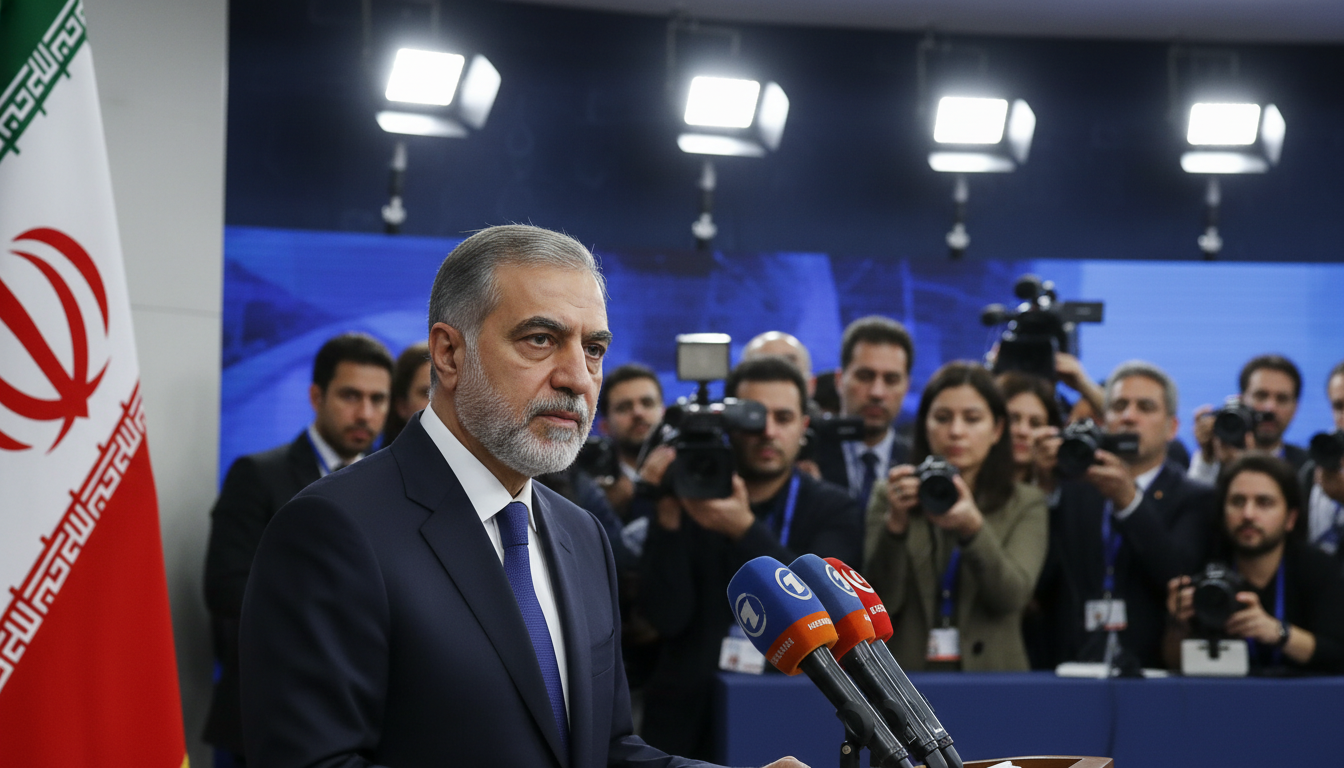
Iran’s foreign ministry spokesman Esmaeil Baghaei announced there is currently no programme to resume Iran‑US negotiations, saying Tehran has seen no sign of American seriousness in the diplomatic track. Baghaei accused the United States of committing aggressive acts and breaching the terms of a ceasefire, and he said those actions have deepened Tehran’s mistrust. He added that Iran informed the Pakistani mediator about alleged violations, and reiterated that any future talks would require practical guarantees. The spokesman also warned that Iran would respond firmly to further attacks and stressed the security of the Strait of Hormuz.
Baghaei rules out immediate return to talks
Baghaei told reporters that Tehran has not decided to participate in a second round of Iran‑US negotiations and that no clear plan exists to relaunch formal discussions. He framed the lack of movement as a result of what he described as Washington’s inconsistent conduct and absence of sincere engagement. The spokesman’s comments suggest Tehran is maintaining a cautious posture while assessing whether the conditions for meaningful diplomacy can be restored. That stance leaves the prospect of resumed bilateral talks uncertain in the near term.
Accusations of ceasefire breaches and maritime pressure
The foreign ministry spokesman accused the United States of violating the ceasefire from the moment it came into effect, citing both field-level incidents and pressure at sea. Baghaei said Washington’s actions included what he called a maritime blockade, which Tehran views as an escalation and a breach of agreements. These allegations, if sustained, complicate the diplomatic environment and harden Iran’s negotiating position. Iranian officials framed such moves as undermining confidence and providing grounds to pause engagement.
Pakistan’s mediation and Iran’s ten‑point proposal
Baghaei disclosed that Tehran submitted a ten‑point proposal to Pakistan while mediators work to facilitate communication between the parties. He said Pakistan has conveyed the proposal but, in his account, the counterpart has shifted positions and issued contradictory statements. The spokesman implied that these changes have frustrated mediation efforts and made it harder to reach common ground. Iran’s submission of a structured proposal signals it remains willing to engage through third‑party channels, provided responses are stable and substantive.
Demands for tangible guarantees on sanctions and security
Officials in Tehran stress that any agreement with Washington must include concrete, verifiable guarantees rather than verbal commitments. Baghaei insisted that previous understandings had included measures such as a ceasefire in Lebanon and assurances on maritime access, but he claimed Washington did not honour those commitments. He said Tehran has received no credible offer for meaningful sanctions relief to date. For Iran, legal and technical safeguards would be required to assure compliance before returning to wider negotiations.
Strait of Hormuz security and regional implications
The spokesman argued that security in the Strait of Hormuz was stable before what he described as American and Israeli attacks, and he urged the international community to recognise threats to this vital shipping lane. Tehran framed any disruption to the strait as a direct risk to global trade and called on other states to shoulder responsibility for protecting maritime security. Baghaei also warned that Iran would respond decisively to any further strikes against its vessels or territory. Such rhetoric raises the spectre of broader regional consequences should confrontations escalate.
Trust deficit and diplomatic prospects
Baghaei characterised Washington as having a long record of “betraying diplomacy,” a formulation he used to explain Tehran’s current reluctance to rejoin talks absent clear, enforceable guarantees. The spokesman said Iran remains wary because of prior incidents that, in his view, undercut the integrity of past arrangements. His comments make clear that rebuilding trust is a precondition for any renewed Iran‑US negotiations, and that Tehran will demand tangible steps before engaging. International mediators therefore face a challenging task in narrowing gaps and establishing credible verification mechanisms.
Looking ahead, the interplay between on‑the‑ground security incidents and diplomatic channels will shape whether the conditions for substantive Iran‑US negotiations can be restored. Tehran’s insistence on guarantees and its accusations of ongoing violations create a high bar for re‑engagement, while third‑party mediators such as Pakistan are left to bridge a widening trust gap. The coming weeks are likely to determine whether rhetoric gives way to renewed diplomacy or further hardening of positions.
