
Jordan Intercepts Iranian Missiles: Four Shot Down, Two Land in Remote Areas
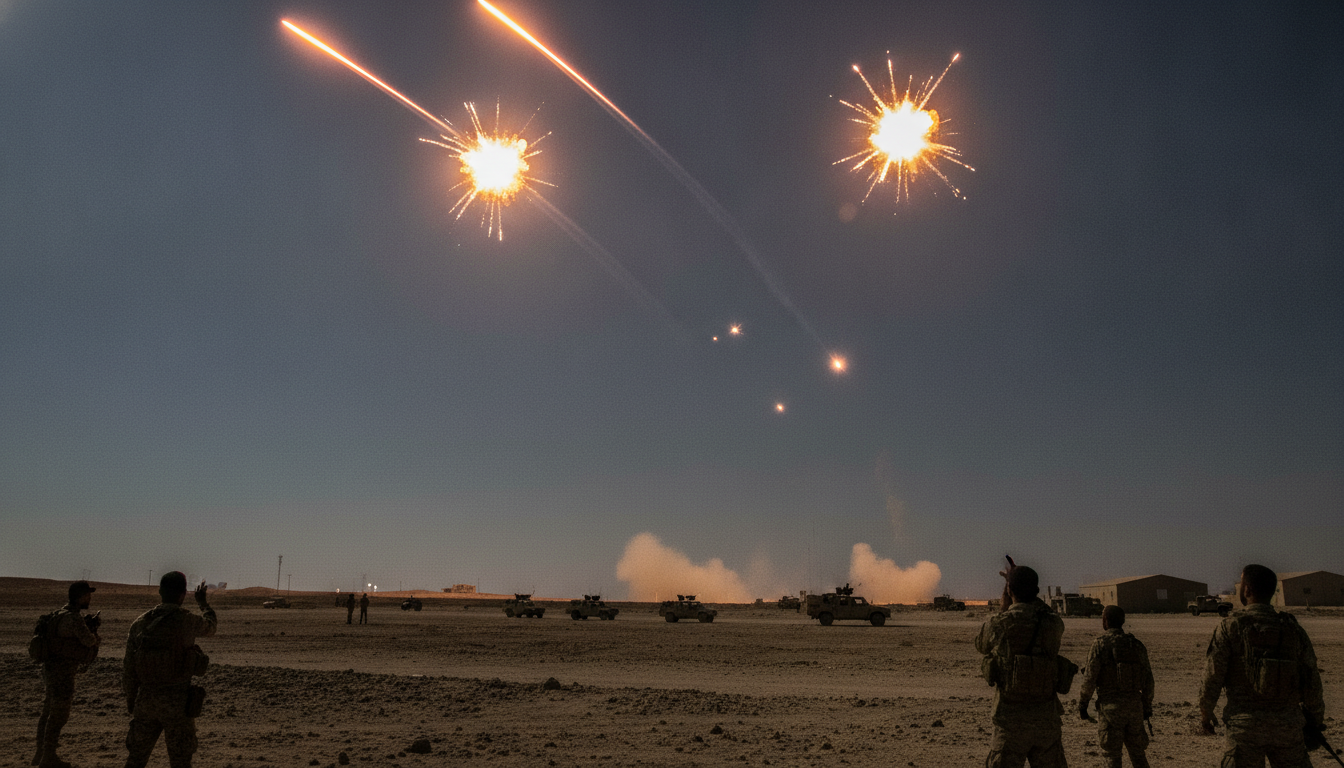
Jordanian air defences intercepted six Iranian missiles on July 22, 2026; four were shot down and two fell in remote areas, officials said.
Jordanian armed forces announced that their air defence systems detected and engaged six Iranian missiles on July 22, 2026, as the projectiles entered the kingdom’s airspace. The military said four missiles were successfully intercepted while the remaining two impacted sparsely populated areas, resulting in no reported injuries or material damage.
Jordanian military statement on the incident
The General Command of the Jordanian Armed Forces — Arab Army issued a statement confirming the detection and engagement of the incoming Iranian missiles. The statement said the interceptions occurred after the missiles crossed into Jordanian airspace and were addressed immediately by air defence units.
Military officials emphasized that there were no human casualties and no significant infrastructure damage following the incident. The statement underscored that operations to secure the affected areas and clear debris are ongoing under established technical and security procedures.
Interception details and impact on the ground
According to the military, air defences intercepted four of the six Iranian missiles before they could reach inland targets. The two remaining missiles struck remote, uninhabited locations, minimizing the risk to civilians and property.
Local authorities reported no injuries and no immediate evidence of damage to populated areas or critical infrastructure. Emergency services maintained heightened readiness across affected regions while engineering and ordnance teams were dispatched to assess and clear impact sites.
Royal Engineering teams secure crash sites
Royal Engineering Corps teams moved quickly to the locations where the two missiles and interception debris fell. Their work focused on securing hazardous remnants, clearing unexploded ordnance, and preventing access to contaminated areas until technicians completed safety protocols.
The military indicated that established procedures guided the response, including technical assessment and controlled removal of fragments. Residents near the remote sites were advised to avoid the areas until clearance operations concluded, although officials stressed that populated centers were unaffected.
Airspace monitoring and engagement policy
Jordanian defence sources said the kingdom’s airspace is under continuous operational surveillance and that the armed forces will respond to any aerial threat in accordance with established rules of engagement. The response to the Iranian missiles was described as proportionate and consistent with the mandate to protect national sovereignty and public safety.
The military reaffirmed its commitment to safeguarding Jordanian territory and citizens, noting that readiness measures and monitoring remain elevated. Authorities also emphasized coordination with civil aviation and internal security agencies to manage any potential fallout from airspace incidents.
Regional implications and next steps
The incident is likely to reverberate across the region, prompting diplomatic and security consultations with neighbouring states and international partners. Jordanian officials indicated they would continue to monitor the situation, gather intelligence on the origin and trajectory of the missiles, and assess the broader security implications.
While the immediate outcome produced no casualties, the event may lead to heightened regional alert levels and calls for de-escalation from diplomatic channels. Jordan’s response aims to balance robust defence measures with efforts to avoid further escalation in an already tense regional environment.
The Jordanian armed forces reaffirmed their duty to protect the kingdom’s airspace and citizens, and pledged to maintain vigilance. Security agencies will continue investigations into the incident and coordinate with relevant partners to prevent recurrence and preserve regional stability.
