
Aoun Tells CNN Iran Uses Lebanon as a Bargaining Chip in Talks with US
Lebanese President Joseph Aoun tells CNN that Iran uses Lebanon as a bargaining chip with the US, urging Beirut to protect its sovereignty and stay neutral.
President Aoun’s Remarks Signal Concern Over External Leverage
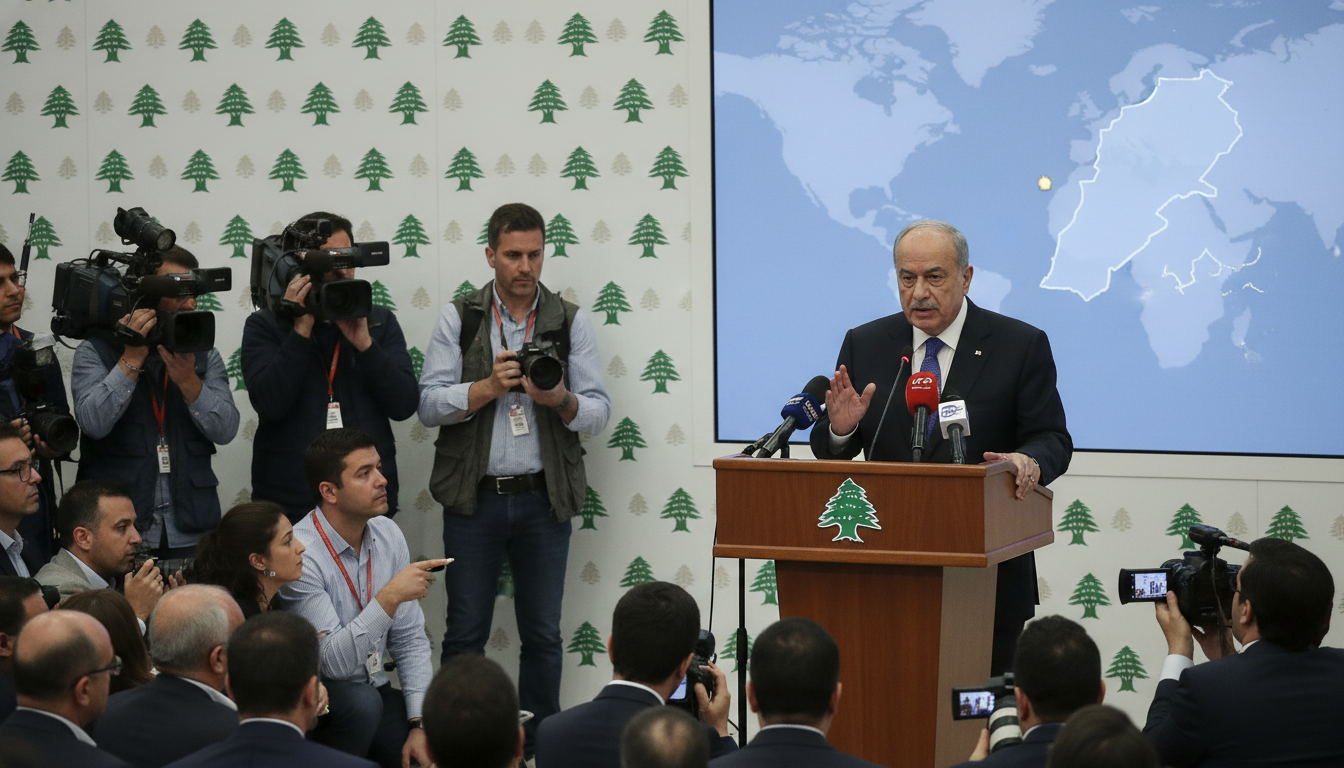
President Joseph Aoun told CNN that Iran is using Lebanon as a bargaining chip in its negotiations with the United States, framing Beirut as a site of strategic value in broader regional diplomacy. He emphasised that decisions regarding Lebanon’s sovereignty and security should be made by Lebanese institutions alone. The remarks underscore mounting alarm in the presidency over foreign influence and the risk of Lebanon being drawn into disputes between larger powers.
Aoun Reiterates Call for Lebanese Neutrality
Aoun has repeatedly sought to distance Lebanon from regional conflicts, arguing that neutrality is essential for the country’s stability and recovery. He told the broadcaster that Lebanon must avoid being instrumentalised by external actors and that national interests should guide policy. This reaffirmation follows a pattern of statements by the presidency stressing independence in foreign policy.
Security and Sovereignty Must Remain Lebanese Decisions
In his comments, Aoun stressed that matters of national security and sovereignty belong to Lebanese authorities and institutions. He warned that outside pressures risk undermining fragile state structures and diplomatic balance. The president’s stance reflects longstanding concerns in Beirut about preserving state prerogatives amid competing regional influences.
Analysts Point to Regional Dynamics Behind Leverage Claims
Observers note that Lebanon’s geopolitical position and domestic divisions make it vulnerable to external leverage, a reality that can be exploited during diplomatic negotiations between Iran and the United States. Analysts say actors in the region often view Lebanon as a card to be played in pursuit of wider strategic objectives. Aoun’s public warning is therefore seen as an attempt to deter such calculations and signal resistance to external bargaining.
Potential Consequences for Iran–US Negotiations
If Lebanon is perceived as a bargaining chip, the country may face increased diplomatic pressure from multiple sides seeking concessions or assurances. This could complicate Beirut’s ability to maintain balanced relations and to focus on pressing domestic priorities such as economic recovery and governance reform. Aoun’s intervention aims to raise the cost of any external attempt to use Lebanon as leverage, by making such tactics politically visible.
Domestic Political Reaction and Parliamentary Implications
Political leaders and parliamentary blocs in Lebanon will likely respond to Aoun’s comments along established lines, with some echoing calls for neutrality and others offering more cautious or divergent views. The president’s statement may sharpen domestic debate over foreign policy direction and over the role of non-state armed actors in national decision-making. Lawmakers will be watching to see whether the presidency’s message produces tangible shifts in diplomatic posture or legislative initiatives.
Regional Capitals Monitor Beirut’s Position
Neighboring countries and international stakeholders are closely monitoring public declarations from Beirut, mindful that shifts in Lebanon’s policy language can affect regional calculations. Aoun’s remarks are likely to be received with interest in capitals engaged in Iran–US diplomacy, where perceptions of leverage and influence shape negotiating strategies. The president’s insistence on Lebanese control over security decisions is intended as a clear signal to those audiences.
International Calls for Lebanese Sovereignty Echoed by Civil Society
Beyond official circles, Lebanese civil society groups and commentators have long urged protection of the country’s sovereignty and non-interference in internal affairs. Aoun’s intervention aligns with these calls and may bolster civic pressure on political actors to prioritise national governance over external entanglements. The resonance of such messages depends on whether they translate into concrete institutional safeguards.
Lebanon Faces Test of Balancing Diplomacy and Domestic Needs
As Iran–US diplomatic currents evolve, Lebanon will face the ongoing challenge of balancing external pressures with urgent domestic needs, including economic stabilisation and public services. Aoun’s public warning that Iran uses Lebanon as a bargaining chip is a bid to foreground Lebanese agency in a region where smaller states are often caught between larger rivals. The effectiveness of that appeal will hinge on the ability of Lebanon’s political institutions to assert independence and manage competing influences.
Lebanon’s leaders say the country must preserve its sovereignty and make security decisions independently, even as regional diplomacy intensifies and external actors seek leverage.
