
Netanyahu Signals Escalation as Israel-Hezbollah Conflict Intensifies
Netanyahu vows to intensify Israel-Hezbollah conflict as clashes continue; Israeli strikes raise Lebanese casualties while U.S.-Iran talks face diplomatic hurdles.
Israel’s prime minister on Monday declared that the country is “at war with Hezbollah,” signaling an escalation even as diplomatic channels explore a broader agreement between the United States and Iran. The Israel-Hezbollah conflict has persisted despite an American-brokered cease-fire that took effect in April, with both sides accusing the other of violations and recent weeks showing renewed, intensified exchanges.
Netanyahu’s Statement and Military Claims
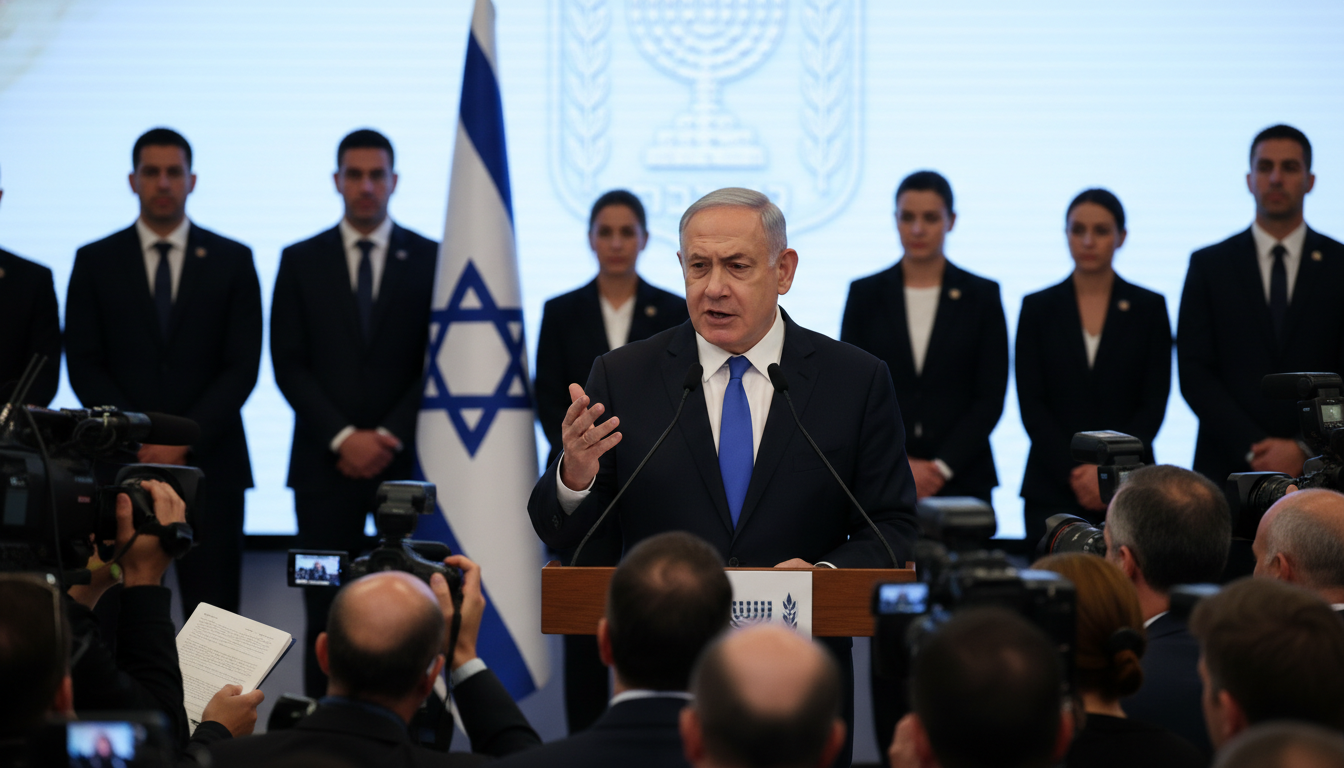
Prime Minister Benjamin Netanyahu released a video message announcing that Israeli forces have increased pressure on Hezbollah operations along the northern frontier. He said the military had killed more than 600 Hezbollah fighters in recent weeks and vowed to press “on the pedal even more,” framing the campaign as a sustained, deliberate effort.
The declaration follows a pattern of public posturing by Israeli leaders aimed at demonstrating resolve to domestic and regional audiences. Officials stressed that operations would focus on degrading command nodes and weapon caches while maintaining pressure where Israeli forces come under threat.
Human Cost and Displacement in Lebanon
Lebanon’s health authorities reported that the renewed fighting since March has produced a heavy toll, with more than 3,100 fatalities and thousands of wounded across affected governorates. Hospitals and emergency services in southern Lebanon and other contested areas continue to cope with a rising number of casualties and displacement.
Humanitarian agencies have warned that repeated strikes and ground exchanges are compounding civilian suffering and undermining recovery from earlier waves of violence. Hundreds of thousands of residents have been uprooted from their homes, adding strain to shelters and aid delivery in border regions.
Details of Recent Israeli Operations
The Israeli military said it struck over 70 Hezbollah facilities across Lebanon in the past day, including multiple command centers and storage sites near the coastal city of Tyre. Forces also reported eliminating militants operating on motorcycles in areas where Israeli troops are active, describing the strikes as targeted efforts to disrupt attack networks.
Military statements emphasized precision targeting of infrastructure used to mount assaults against Israeli soldiers and civilians, although Lebanese authorities and observers have raised concerns about the proximity of such sites to populated areas. The operational tempo, according to the Israeli military, is designed to curtail Hezbollah’s capability to carry out cross-border strikes.
Hezbollah’s Responses and Leadership Remarks
Hezbollah’s media arm documented numerous attacks and engagements on Monday, reflecting a steady tempo of exchanges between the group and Israeli forces. The organization’s leader expressed guarded openness to a broader U.S.-Iran arrangement while firmly rejecting direct negotiations mediated by the United States between Israel and the Lebanese government.
Hezbollah’s public communications have combined tactical claims of action inside Israeli positions with political messaging aimed at preserving domestic support in Lebanon. The movement continues to insist that any regional settlement must address its role and security concerns, complicating narrow bilateral arrangements.
Impact on U.S.-Iran Negotiations
Diplomats and regional officials warn that intensified fighting along the Israel-Lebanon front complicates nascent discussions between Washington and Tehran. Iranian officials have indicated that any understanding with the United States would need to account for hostilities on multiple fronts, including issues tied to Lebanon and armed Lebanese groups backed by Tehran.
U.S. signals on the talks have been mixed, and public messaging from American leadership has at times appeared contradictory about the scope and status of negotiations. The possibility that a deal could include provisions affecting Hezbollah’s posture or Lebanese security arrangements introduces sensitive political trade-offs for all parties involved.
Regional Risks and Diplomatic Fallout
An escalation between Israel and Hezbollah risks widening the conflict footprint across the Levant, with potential spillover into Lebanese civilian infrastructure and broader regional alignments. Governments in the region and international partners are closely watching how military actions interact with diplomatic initiatives aimed at de-escalation.
Analysts caution that without clear mechanisms to guarantee compliance and to separate combatants from civilians, a fragile cease-fire can quickly fray. Any diplomatic package that omits provisions directly addressing armed groups operating in Lebanon may struggle to translate into sustained calm on the ground.
The coming days are likely to test whether political negotiations can keep pace with battlefield developments, as Israeli operations and Hezbollah responses continue to shape the contours of both military and diplomatic strategies. Observers say the trajectory of the Israel-Hezbollah conflict will hinge on decisions taken by national leaders in Jerusalem, Beirut, Tehran and Washington, as well as on the capacity of mediators to forge enforceable arrangements that reduce violence and protect civilians.
