
US to Announce Raul Castro Indictment in Miami Over 1996 Shoot-down
US Justice Department to file a Raul Castro indictment in Miami on May 20, 2026 over the 1996 shoot-down of exile aircraft, escalating US-Cuba tensions.
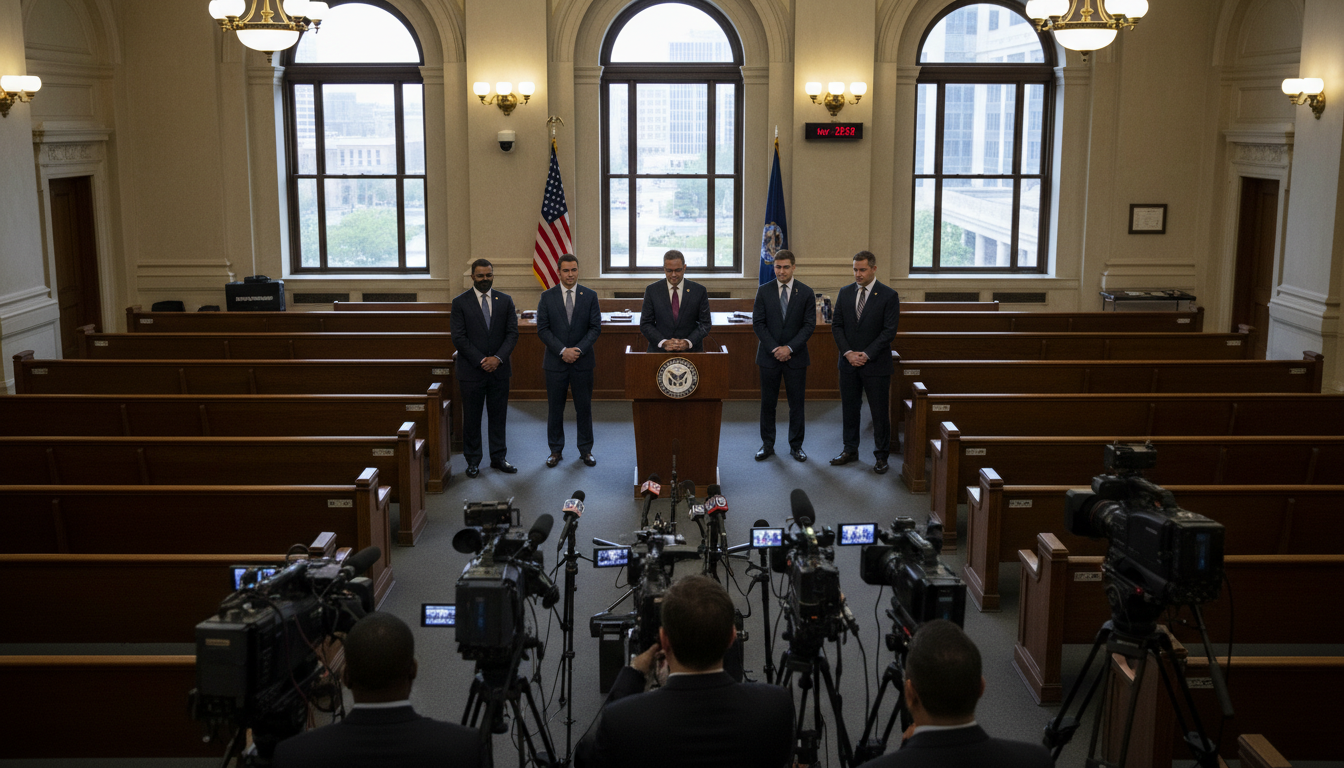
An official at the US Department of Justice told reporters that the Trump administration plans to announce a Raul Castro indictment in Miami on May 20, 2026 related to the 1996 downing of two planes flown by Cuban exiles.
The official, speaking on condition of anonymity, said federal prosecutors intend to reveal a formal charging document that would allege responsibility for the fatal incident.
The announcement comes amid heightened tensions between Washington and Havana and follows legal steps that must be completed before any charges can proceed.
DOJ event planned in Miami on May 20, 2026
The US Attorney’s Office in Miami has scheduled a public event on May 20, 2026 that prosecutors say will honour the victims of the 1996 incident.
Justice Department sources indicate the timing of the ceremony coincides with the planned release of the indictment, which federal authorities expect to present after securing grand jury approval.
Miami law enforcement and local community leaders have been notified of the gathering, which is intended to recognize those who died and those affected by the tragedy.
Details of the 1996 shoot-down and alleged actions
The 1996 incident involved two small aircraft operated by members of an exile group who were attempting to carry out operations against Cuba, according to historical accounts.
Those planes were shot down over Cuban airspace in an action that left civilians dead and sparked international condemnation at the time.
US officials say the forthcoming charges will relate to decisions taken by Cuban authorities in 1996 and will identify specific acts and individuals alleged to have been responsible.
Legal process and role of a grand jury
Before an indictment becomes public, a federal grand jury must formally approve the charging document, a step that prosecutors in Miami are pursuing.
An indictment issued by a grand jury is a procedural milestone that allows prosecutors to proceed with criminal allegations in federal court.
Legal experts note that securing an indictment against a former head of state raises complex questions about jurisdiction, immunity and the practicalities of bringing a defendant to the United States to face charges.
Cuba’s position and historical context
The Cuban government has maintained that the shoot-down was a legitimate defensive response to an incursion into its airspace and has long defended its actions as lawful under the circumstances.
Officials in Havana have repeatedly characterized interventions by exile groups as provocations and insisted on their right to protect national sovereignty.
The announcement of criminal charges by the United States is likely to be framed in Havana as a politically motivated escalation, given the longstanding fraught relationship between the two capitals.
Political backdrop and Washington’s stance
The expected indictment comes amid a period of strained US-Cuba relations, with recent US administrations applying a range of diplomatic and economic pressures on Havana.
Influential voices in Washington have criticized Cuba’s ruling authorities as corrupt and incompetent, and some officials have pursued policies aimed at increasing pressure for political change.
Prosecutors and diplomats alike will face scrutiny over whether the move is driven by legal accountability, foreign-policy objectives, or a combination of both.
Community reaction in Miami and next steps
Miami’s Cuban exile community has a deep historical connection to the 1996 shoot-down and to calls for accountability, and the planned May 20 event is expected to draw survivors’ families and advocacy groups.
Local leaders and legal observers say the announcement will prompt renewed debate about justice, reconciliation and the limits of international prosecution for acts committed decades ago.
If the grand jury returns an indictment, federal authorities will outline the charges publicly and set the next stages of legal proceedings, which could include arrest warrants and requests for international cooperation.
The planned Raul Castro indictment has the potential to reopen long-standing wounds while testing the reach of US criminal law in cases tied to international incidents, and its fallout will be watched closely by governments, legal experts and affected communities alike.
