
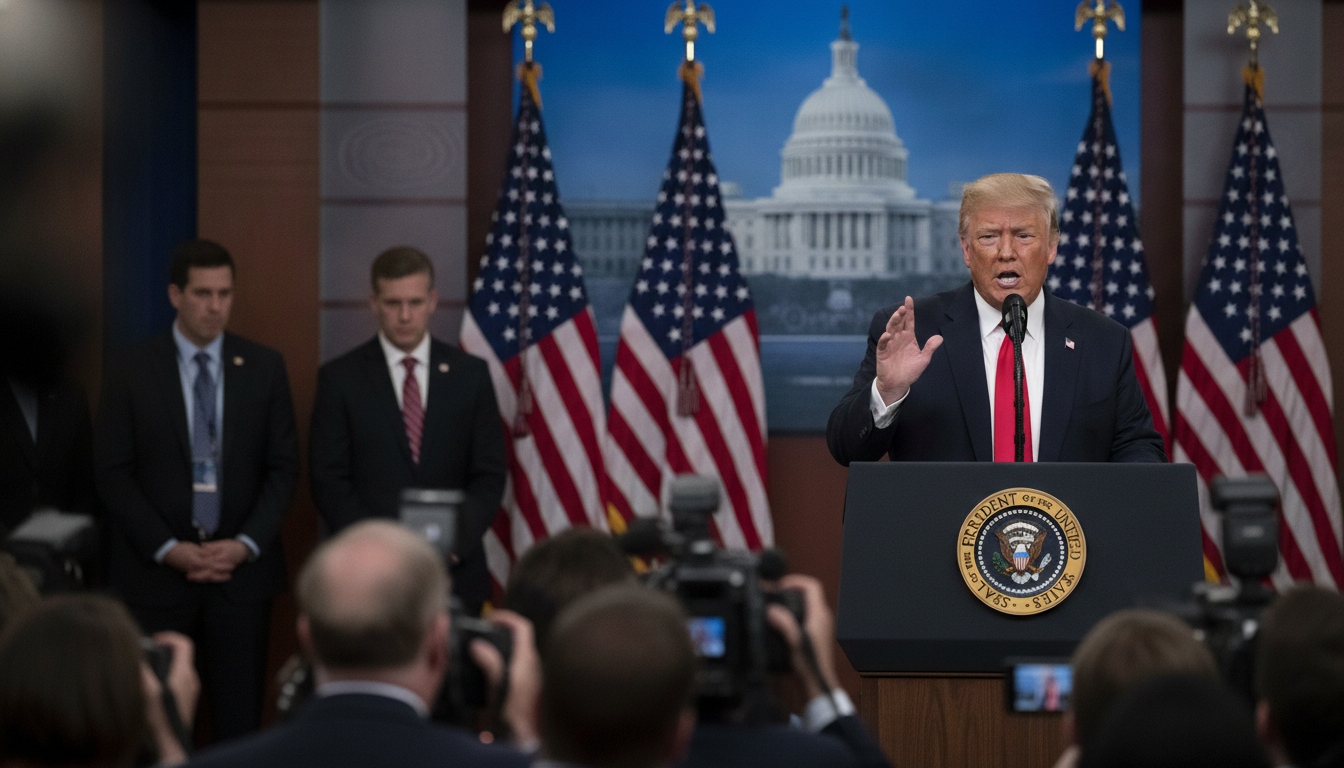
Trump Calls Iran Agreement a ‘Victory’ for United States, Dismisses Critics
Donald Trump hailed the Iran agreement as a “victory” for the United States, rejecting criticism and pointing to lower oil prices and market gains as evidence of success.
Summary of Trump’s Statement
Donald Trump said the deal with Iran that aims to end war in the Middle East represents a clear victory for the United States. He posted the remarks on his social platform, reiterating that Washington would not pay $300 billion to Tehran and labeling alternative claims as “fake news.”
Trump framed the outcome in strictly transactional terms, saying the administration’s success will be measured by lower energy costs and stronger financial markets. He also dismissed criticism from both Democrats and some within his own party as partisan propaganda.
Details of the Post on Truth Social
In his message, Trump explicitly denied reports that the United States would transfer $300 billion to Iran, calling such reports false. He insisted that what matters is “success, lower oil prices, and victory,” and urged observers to “check the stock market” as confirmation.
The post reiterated a broader argument that tangible economic indicators, rather than political commentary, should determine public judgment. Trump’s tone was dismissive of media and political opponents who, he said, were hyperbolic in their responses to the agreement.
Republican and Democratic Responses
The statement drew immediate attention from figures across the political spectrum, with some Republicans expressing unease and Democrats offering sharp criticism. Several GOP lawmakers publicly signalled concern about the terms and transparency of the agreement, while Democratic leaders accused Trump of mischaracterizing the deal’s provisions.
Trump’s dismissal of those critiques as “demonic propaganda” in effect intensified a partisan debate about both process and outcomes. The exchanges highlight tensions within the Republican Party at a moment when foreign policy choices intersect directly with domestic political calculations.
Economic Claims and Market Signals
Trump tied the measure of the agreement’s success to oil prices and stock market performance, arguing that both would reflect improvements once hostilities tapered. Lower energy costs and a rising market were presented as shorthand for the deal’s benefits to American consumers and investors.
Observers note that while market movements and fuel prices can reflect geopolitical developments, they are influenced by many variables and may not provide a definitive assessment of diplomatic outcomes. Still, the administration’s emphasis on these indicators aligns with a broader strategy to demonstrate immediate economic gains.
Diplomatic and Regional Implications
By characterizing the Iran agreement as an end to war in the Middle East, Trump signalled an intent to frame the deal as a major diplomatic achievement. That framing aims to position the United States as a stabilising force and to claim credit for reducing regional tensions.
Regional governments and international partners will likely evaluate the agreement on its concrete terms, including verification mechanisms and timelines. How those actors respond could determine whether the accord produces durable de-escalation or invites renewed scrutiny and contestation.
Political Ramifications Ahead of Key Votes
The dispute over the deal is likely to shape political messaging as national campaigns intensify, with both parties seeking to use the outcome to their advantage. For Republicans uneasy with the agreement, criticism may focus on process and oversight, while supporters will highlight any economic improvements tied to reduced regional conflict.
Within the GOP, the split between loyalists and dissenters exposes internal divisions that could affect leadership dynamics and campaign strategy. For Democrats, the opportunity to critique or defend the deal will hinge on how its effects unfold in the coming weeks and months.
The debate over the Iran agreement underscores the intersection of foreign policy, economic indicators, and domestic politics, with competing claims about success and accountability driving coverage and commentary. Observers will watch oil markets, financial indexes, and congressional reactions closely as the consequences of the deal become clearer.
