
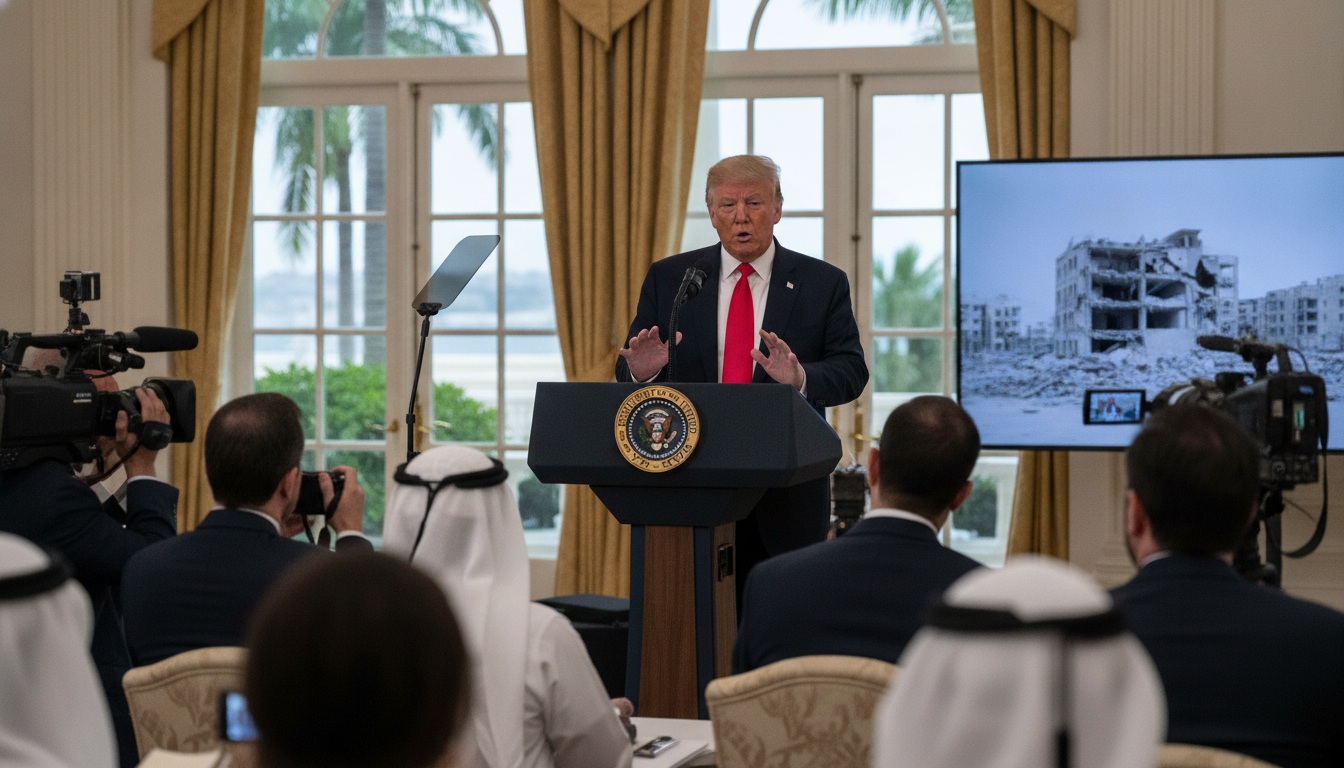
Trump criticises Israel’s tactics in Lebanon, urges restraint at G7
Donald Trump criticises Israel’s tactics in Lebanon at the G7, urging restraint over strikes on residential buildings and warning of wider regional fallout.
Former US president Donald Trump publicly rebuked Israel’s military tactics in Lebanon during remarks at the G7 summit in France, saying the destruction of entire residential buildings is unnecessary when targeting Hezbollah fighters. Trump criticised what he described as disproportionate strikes on Beirut and warned that such actions risked inflaming the wider region and undermining diplomatic efforts. His comments highlighted growing friction between Washington and Jerusalem over the conduct of operations against Iran‑aligned militia groups in Lebanon.
Remarks delivered at the G7 summit
Trump made the comments while attending the G7 meeting in France, addressing allied leaders and media that had gathered around the summit. He argued that Israel does not need to demolish whole apartment blocks to pursue individual militants and emphasised the humanitarian cost of such tactics. The former president framed his critique in the context of protecting civilians and avoiding actions that could derail broader diplomatic initiatives.
He also voiced frustration about the broader campaign against Hezbollah, saying the conflict has continued “longer than it should have” and has exacted a heavy civilian toll. Trump’s G7 remarks were notable for being an unusually public and pointed critique of a close partner’s military methods.
Concerns about strikes on Beirut and the Iran deal
Trump linked Israeli strikes on Beirut to broader diplomatic fallout, suggesting the operations risked jeopardising his own negotiations with Tehran. He said that recent raids had heightened tensions and prompted responses from Iran at a time when Washington was pursuing a deal. The former president warned that escalation in Lebanon could ripple across the region and complicate efforts to secure agreements with Tehran.
Analysts say the critique reflects a calculation that kinetic responses by Israeli forces carry strategic costs beyond immediate battlefield objectives. The emphasis on protecting non‑combatants mirrored international calls for greater discrimination in targeting during urban operations.
Growing strain with Prime Minister Netanyahu
The public rebuke underscored a recent chill in relations between Trump and Israeli Prime Minister Benjamin Netanyahu, despite their longstanding political alignment. Israeli officials have privately expressed frustration with what they see as interference in operational freedom, while Trump’s impatience with repeated strikes has added tension to a once close partnership. The exchange reflects a rare moment of open disagreement at the leadership level between the two allies.
Observers note that personal ties and policy alignment have often masked deeper strategic differences, particularly when military action in Lebanon intersects with diplomatic initiatives involving Iran. The current spat appears to be the most visible sign to date of mounting irritations between the two leaders.
Trump’s defence of his record on Israel
While critical of recent tactics, Trump reaffirmed his longstanding support for Israel and framed his comments as an appeal for responsible conduct rather than an abandonment of the alliance. He argued that US backing had been pivotal to Israel’s security and said no other recent US president had provided comparable support. The remarks combined a defence of his past actions with a call for greater restraint in military operations that risk civilian harm.
This dual message sought to balance domestic political audiences supportive of Israel with international concerns about escalation and civilian casualties. It also signalled that Trump views his role as both protector and advisor to Israeli policymakers.
Regional reactions and Iranian response
Trump’s critique came amid reports that Iran had launched retaliatory measures following strikes in Beirut, a dynamic that officials say complicates regional stability. Tehran’s alliance with Hezbollah means that Israeli operations in Lebanon can trigger wider responses, increasing the risk of broader confrontation. Regional capitals are watching closely for signs that tactical strikes could spiral into sustained exchanges involving multiple states and non‑state actors.
Diplomats caution that escalatory cycles tend to harden positions on all sides and reduce space for negotiation, underscoring the importance of measured military planning and parallel diplomatic engagement.
Potential diplomatic and security implications for Lebanon
Security analysts warn that repeated urban strikes will deepen humanitarian strains in Lebanon and could fuel local grievances that benefit militant recruiters. The destruction of residential infrastructure displaces civilians and complicates post‑conflict recovery efforts, they say. Policymakers in Washington, Jerusalem and allied capitals face a choice between pursuing short‑term military objectives and prioritising long‑term stability and civilian protection.
Calls for clearer rules of engagement and increased coordination between militaries and humanitarian agencies are likely to intensify if strikes continue. International actors may seek to mediate and restore channels of communication to prevent a broader regional conflagration.
The United States’ public admonition of Israeli tactics by a high‑profile US political figure has highlighted the delicate balance between military action and diplomacy in Lebanon. As leaders weigh the next steps, the appeal for restraint is likely to feature prominently in conversations aimed at preventing escalation and protecting civilian lives.
