
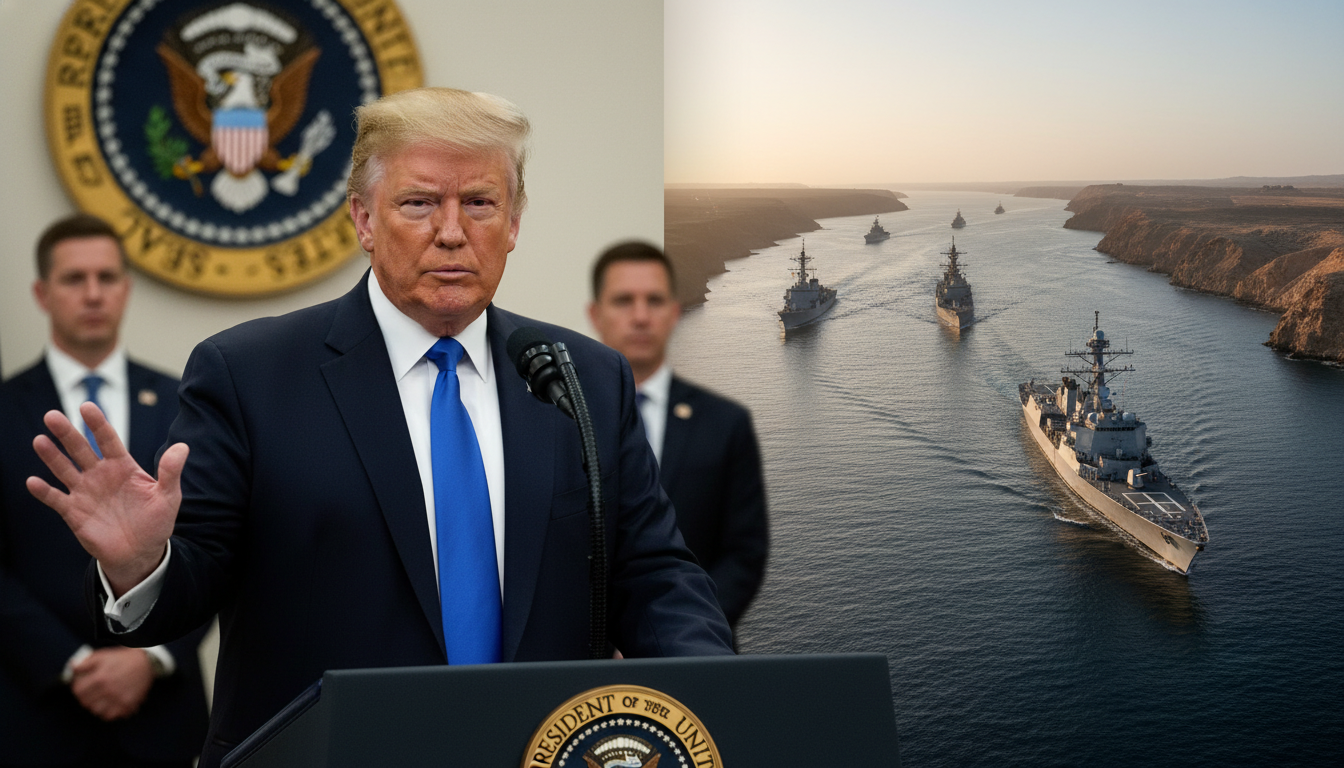
Trump rejects Iran response to US peace talks proposal as two ships transit Strait of Hormuz
Trump rejects Iran response to US peace talks proposal while Tehran calls for fighting to stop on all fronts and safe shipping in the Strait of Hormuz.
Trump rejects Iran reply publicly
President Donald Trump on Sunday publicly rejected Iran’s response to a U.S. proposal for talks intended to end the war, saying the reply was “totally unacceptable.”
Trump posted his brief comment on the Truth Social platform, saying he had “just read” the response from what he called Iran’s representatives and that he did not like it, without providing further details.
Iran frames its answer around ceasefire and maritime safety
Iranian state media reported that Tehran’s reply emphasized an end to hostilities on all fronts, with specific reference to Lebanon and the security of commercial navigation.
The Iranian statement, as reported, stressed guarantees for the safe passage of shipping through the Strait of Hormuz but did not specify mechanisms, timing, or steps for reopening contested maritime channels.
Two vessels allowed to transit amid tensions
Despite the diplomatic standoff, officials allowed two ships to pass through the Strait of Hormuz, a vital chokepoint for global oil and trade flows.
The limited passage was described by local authorities as a narrowly permitted transit, underscoring continuing uncertainty about the waterway’s security and the broader regional environment.
Lebanon highlighted as a central demand
Tehran’s response singled out Lebanon as a priority front for ending the conflict, reflecting Iran’s broader regional alliances and strategic concerns.
Analysts note that any Iranian insistence on guarantees regarding Lebanon could complicate discussions, because it ties broader regional security dynamics directly to the terms for any de-escalation.
U.S. stance and diplomatic implications
The White House publicly framed the Iranian reply as insufficient, with President Trump’s terse dismissal signaling a hard line at the outset of any negotiation process.
U.S. officials have not detailed whether rejection of the written response will be followed by revised terms, further diplomacy, or alternative measures to press for different conditions.
Commercial shipping and regional stability risks
Maritime insurers and shipping operators monitor the Strait of Hormuz closely because disruptions can immediately affect global energy markets and freight routes.
The allowance of two ships to transit provided only a limited reassurance, and commercial actors are likely to await clearer, verifiable commitments before altering risk assessments or routing decisions.
Next steps for talks remain unclear
With the Trump rejection on record and Iran’s reply framed but unspecific on implementation, a clear diplomatic path forward remains uncertain.
Both sides face pressure from regional partners and international stakeholders to avoid escalation while also preserving leverage in any potential negotiations.
The developments leave multiple questions open: whether Tehran will respond to the U.S. rejection with revised language, whether Washington will present new terms, and how regional actors such as Gulf states and European intermediaries might attempt to mediate.
