
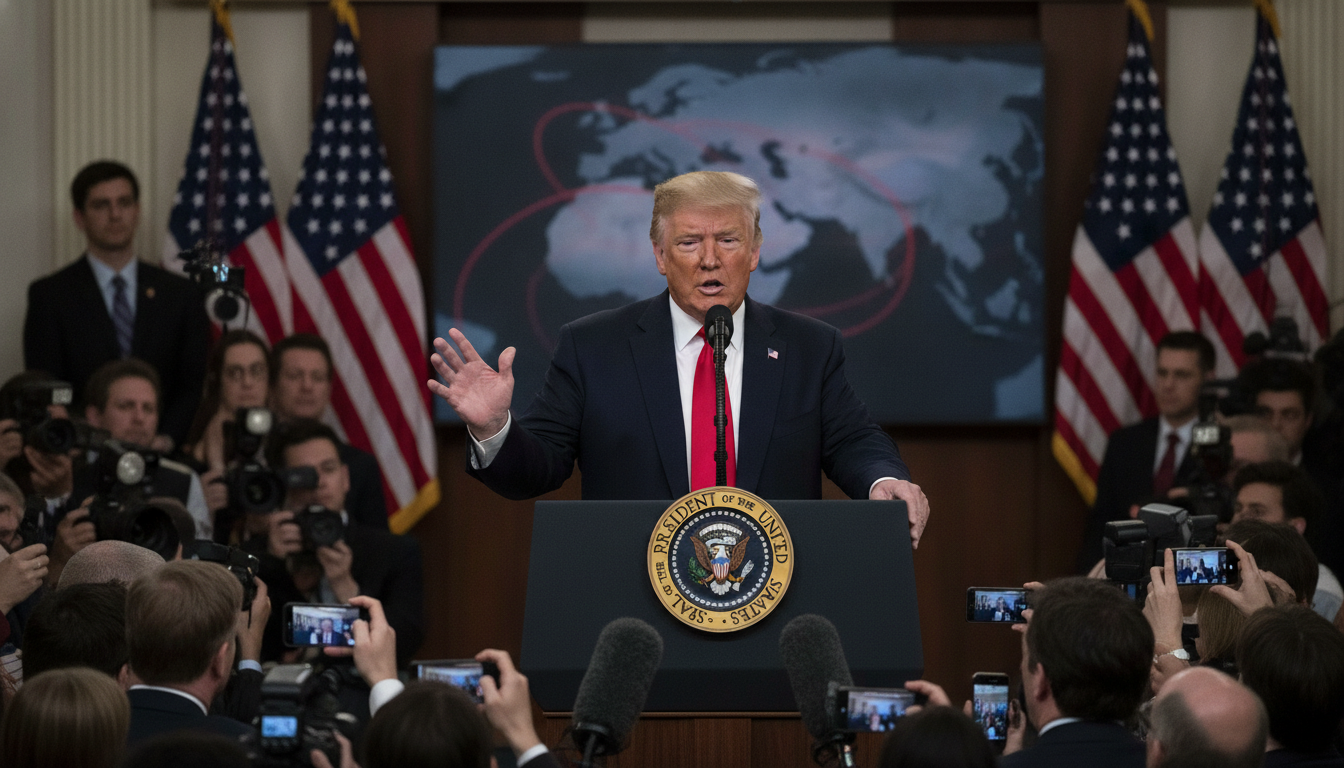
US bombing Iran: Trump threatens strikes on civilian infrastructure if no deal by July 22, 2026
US President Donald Trump warned on July 15, 2026 that the US would bomb Iran’s civilian infrastructure if no agreement is reached by July 22, 2026, while strikes are already reported along Iran’s southern coastline.
Donald Trump issued a public warning on July 15, 2026 that the United States would target Iran’s civilian infrastructure unless a political deal is reached by July 22, 2026. The statement intensifies an already volatile situation after reports that US forces have carried out strikes across locations along Iran’s southern coastline, residents and local sources say. The phrase “US bombing Iran” has been used widely in regional reporting as communities on the Gulf and Strait of Hormuz face mounting disruption.
Trump sets a firm deadline for a deal
Trump framed the ultimatum as a response to what he described as escalating threats from Tehran, saying action would follow if diplomatic or negotiated terms were not agreed by July 22, 2026. The timeline converts his “next week” remark into a concrete date, underscoring the immediacy of the threat. The announcement has been met with sharp criticism from regional governments and concern among international observers.
Reports of strikes along Iran’s southern coast
Local accounts and independent reports indicate that strikes have taken place at multiple sites along Iran’s southern coastline in recent days. Targets reportedly include infrastructure related to maritime operations, industrial facilities and installations near fishing towns, according to witnesses. The scale and locations of the strikes are drawing attention because of the strategic importance of the Gulf and the Strait of Hormuz for global shipping.
Impact on coastal communities and livelihoods
Residents in affected coastal towns describe power outages, damage to buildings, and interruptions to fishing and trade that sustain local economies. Many families say they face uncertainty about food, fuel and safe transit as maritime traffic adjusts to heightened risk. Hospital staff and municipal officials in some towns reported treating civilians for injuries and shell-shock symptoms linked to blasts and constant low-level strikes.
Strategic significance of the southern shoreline
Iran’s southern coastline fronts the Persian Gulf and the Strait of Hormuz, a corridor critical to international energy shipments and regional commerce. Military analysts note that strikes in this area can disrupt shipping, insurance costs and supply chains, while also raising the risk of wider naval clashes. Control of littoral infrastructure and ports has long been a focus of strategic competition in the region, and recent actions have amplified those tensions.
Diplomatic fallout and regional reactions
Regional capitals and international organisations have issued cautious statements calling for de-escalation and immediate diplomacy in response to both the threat and the reported strikes. Gulf states are watching closely for spillover effects on trade and security, and some have urged restraint from all parties. Western and multilateral actors have urged avenues for negotiation to prevent a rapid expansion of violence that could draw in allied forces.
Humanitarian concerns and civil protections
Humanitarian groups and local relief organisations emphasise the need to protect civilians and critical services amid any military campaign targeting infrastructure. Damage to water, power and medical facilities could produce long-term public health and displacement challenges for coastal populations. Observers say that distinguishing between military and civilian assets in densely populated littoral zones will be a persistent challenge if strikes continue.
The coming days will be pivotal as diplomatic channels attempt to respond to the deadline set for July 22, 2026, and as international actors weigh options to prevent further civilian harm. Local voices along Iran’s southern coastline underscore the immediate human cost of military action and call for urgent international mediation to avert a wider regional crisis.
