
UAE exit from OPEC draws Trump praise as Abu Dhabi revamps oil policy
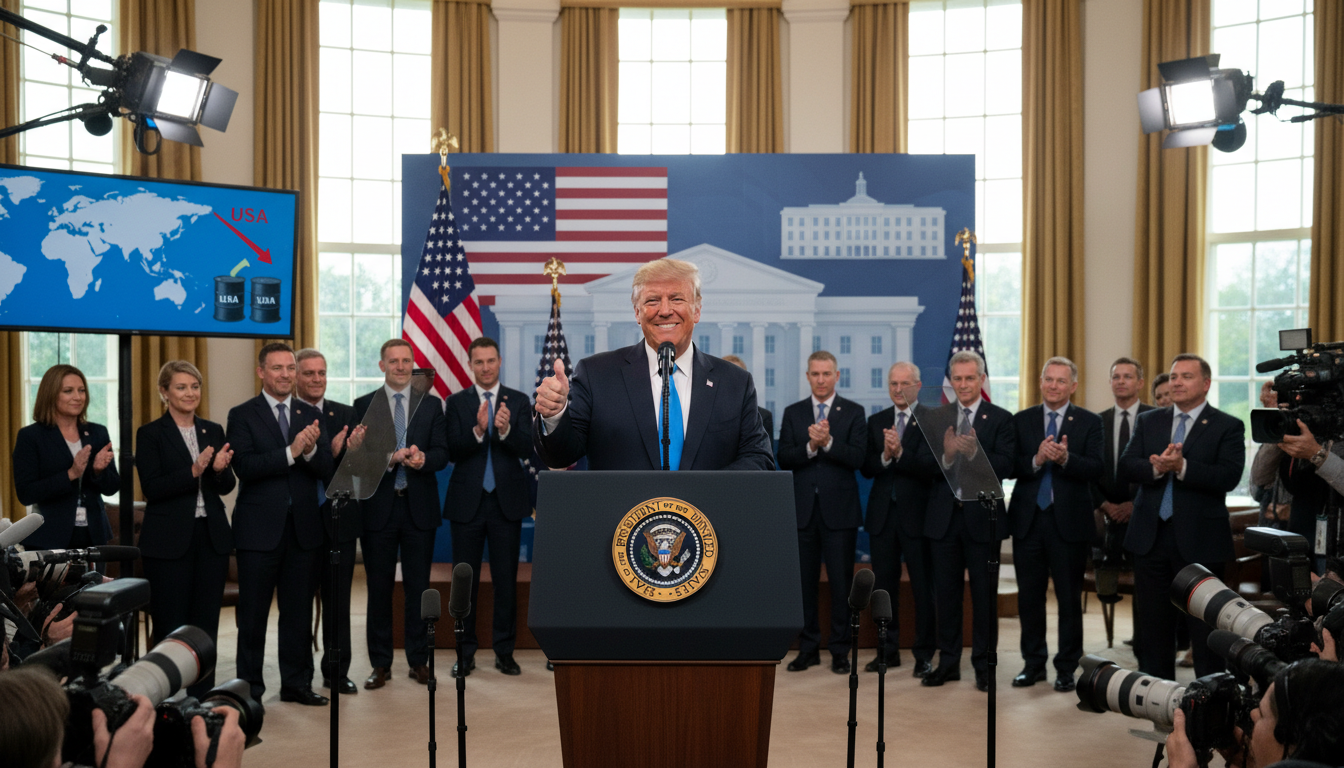
U.S. President Donald Trump welcomed the UAE exit from OPEC on Wednesday, saying he believes the move would be “great” as Abu Dhabi prepares to pursue an independent production strategy. The UAE announced it will leave OPEC and the OPEC+ framework effective May 1, a decision officials framed as a policy shift aimed at matching output with long‑term national goals. (aljarida.com)
Trump’s White House remarks
Speaking to reporters at the White House, Mr. Trump framed the UAE decision as positive for consumers and U.S. energy policy, characterising a break from cartel discipline as beneficial. His comment came amid a broader White House focus on energy security and pressure on producers to prioritise supply. (alaraby.co.uk)
UAE’s formal announcement and effective date
Abu Dhabi’s government said the withdrawal will take effect on May 1 and followed a “thorough review” of national production policy and future capacity. The Energy Minister described the move as a strategic, policy-driven step to align oil strategy with the country’s long‑term economic and infrastructure plans. (apnews.com)
Longstanding membership and the break with OPEC
The UAE has been a member of OPEC for decades and was one of the group’s significant Gulf producers, often cited as among the cartel’s most compliant with quota discipline. Leaving the organization after more than half a century marks a major reversal in Abu Dhabi’s approach to collective oil management. (en.wikipedia.org)
Immediate market reaction and analyst assessments
Global oil markets reacted swiftly to the announcement, with trading desks and research houses warning the UAE’s exit weakens OPEC’s ability to coordinate supply and stabilise prices. Analysts at energy consultancies and banks warn that losing the UAE’s spare capacity narrows the group’s margin for smoothing disruptions and could increase price volatility over the medium term. (za.investing.com)
Several commentators noted the near‑term market impact may be muted because regional supply routes remain constrained and physical bottlenecks limit how quickly extra barrels can reach world markets. Still, the structural shift is significant: OPEC’s leverage derives in part from having a small set of members with spare capacity ready to cut or add barrels when needed. (investing.com)
Regional geopolitics and the timing of the move
Observers emphasised the announcement’s timing amid heightened regional tensions and disruption to flows through the Strait of Hormuz, saying those factors make the decision politically charged. Relations between Abu Dhabi and other Gulf capitals have been strained in recent years, and some analysts see the move as a signal that the UAE is asserting greater independence on both economic and diplomatic fronts. (atlanticcouncil.org)
U.S. officials and Western capitals will be watching how Abu Dhabi uses its newfound freedom outside OPEC allocations, and whether the step will prompt adjustments in Riyadh’s approach to market management. The shift also complicates collective responses to supply shocks that have become more frequent in the current regional security environment. (internazionale.it)
Implications for Abu Dhabi’s production and policy options
Freed from formal OPEC quotas, the UAE gains the ability to accelerate planned capacity projects and set independent output targets that reflect its domestic economic agenda. Energy strategists say Abu Dhabi could opt to boost production as markets stabilise, though any ramp‑up will be shaped by logistics, export routes and the broader diplomatic context. (worldoil.com)
The UAE may also use the shift to sharpen commercial strategies for its heavy crude grades and to expand global market access through new trading arrangements. Governments and oil companies alike will be watching whether Abu Dhabi coordinates informally with old partners or pursues a more competitive posture aimed at market share. (worldoil.com)
As the decision takes legal and administrative effect on May 1, ministers, traders and diplomats will monitor both the physical moves — tankers, ports and refiners — and the political reverberations across the Gulf and global energy markets. The UAE’s exit from OPEC represents a notable reconfiguration of how major producers balance national strategy with collective cartel dynamics, and its full impact will unfold in the weeks and months ahead. (apnews.com)
