
UAE Council for Overseas Investors Finalises Leadership to Drive Global Investment Strategy
UAE Council for Overseas Investors confirms leadership at second meeting; deputies and secretary-general named to advance CEPAs, capital and investor protection.
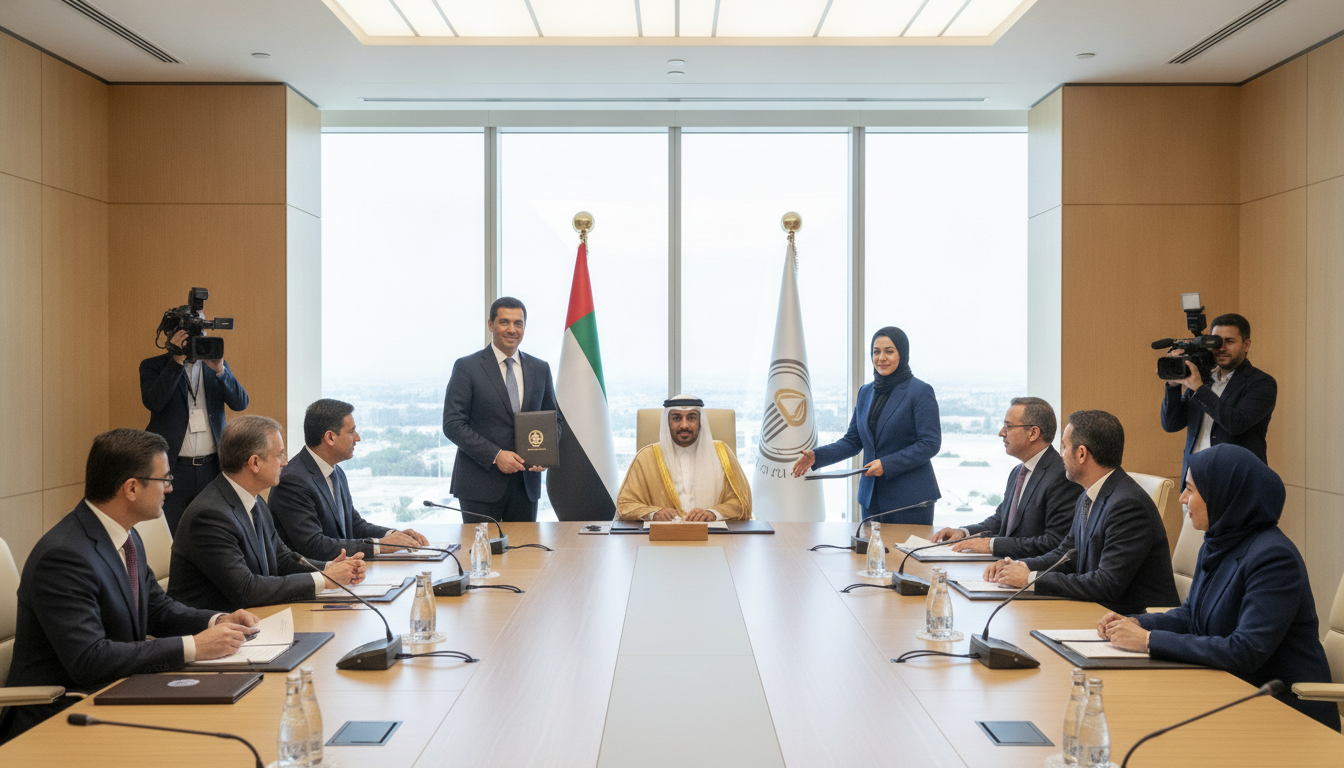
The UAE Council for Overseas Investors confirmed its principal leadership at its second meeting, positioning the body to accelerate outbound investment initiatives aligned with the national economic agenda. The council, chaired by Dr. Thani bin Ahmed Al Zeyoudi, announced the appointment of two deputy chairmen and a secretary-general to strengthen governance and execution. These moves aim to link Emirati investors with high-potential markets and to capitalise on the UAE’s expanding network of Comprehensive Economic Partnership Agreements (CEPAs).
Leadership Appointments Finalized
Hamid Abdullah Al Shammari, deputy group CEO and CEO of Corporate Affairs and Human Resources at Mubadala, and Yusuf Ali, chairman and managing director of LuLu Group International, were named deputies to the council’s chair. Abdullah Ahmad Al Suwaidi was appointed as the council’s secretary-general to manage coordination and implementation. The appointments establish a leadership core drawn from major private and strategic investment stakeholders, reflecting the council’s public‑private mandate.
Mandate and Institutional Structure Confirmed
At the meeting the council reviewed and ratified its organisational chart and the responsibilities of its executive and working bodies. Members agreed a clear division of roles to enable governance, oversight and operational delivery across policy, market intelligence and investor support functions. Officials described the restructured framework as foundational to moving from strategy to concrete actions that support Emirati investors abroad.
Emphasis on CEPAs and Strategic Markets
A central focus of the discussion was how the UAE’s growing network of CEPAs can open commercial and investment channels for domestic capital. Delegates analysed priority markets and the specific trade and investment provisions that CEPAs offer to Emirati businesses. The council intends to map targeted opportunities in sectors where agreements provide tariff, regulatory or partnership advantages to UAE investors.
Implementation Plans and Capital Mobilisation
The meeting also covered operational plans and the mechanisms the council will use to mobilise capital and coordinate cross‑border projects. Participants discussed practical steps for aggregating investor interest, designing co-investment frameworks and engaging sovereign and private capital partners. Agreed follow-up measures include timelines for piloting investor initiatives and procedures to monitor execution and outcomes.
Investor Protection and Global Reach
Delegates reaffirmed the council’s role in protecting the interests of UAE companies operating in more than 90 countries and providing a platform for risk mitigation and dispute prevention. The council’s updated remit includes information sharing on host‑market conditions, legal and regulatory assistance, and facilitation of public‑private corrective measures where necessary. Officials said the protective framework will aim to reduce entry barriers and support long‑term asset preservation for Emirati investors.
Operational Priorities and Stakeholder Coordination
Council members committed to leveraging the public and private sectors’ complementary strengths to advance outbound investment objectives. Emphasis was placed on improving market intelligence, streamlining investor onboarding processes and establishing strategic partnerships in target jurisdictions. The leadership stressed the importance of a coordinated approach that aligns governmental policy instruments with private sector deal‑making capabilities.
Dr. Thani Al Zeyoudi described the meeting as a step toward “building an institution capable of translating strategy into measurable results,” noting that the council’s formalised leadership will help connect UAE investors to global markets. He highlighted that the agreed governance and operational arrangements will prioritise long‑term economic interests and create clearer accountability for execution.
Abdullah Al Suwaidi, the council’s newly appointed secretary‑general, said he welcomed the role at a pivotal moment in the council’s development and committed to working with the leadership team to convert strategic plans into tangible outcomes for Emirati investors and the national economy. He emphasised the need for rapid implementation of the council’s immediate action items and for close collaboration with both public agencies and private investors.
Founded in 2009, the council serves as a coordination platform that brings together government and private sector players to support UAE outbound investments. With its refreshed leadership and clarified mandate, the council is positioned to play a more active role in mobilising capital, coordinating market intelligence and facilitating structured investment approaches across priority markets.
The council’s next steps include rolling out the implementation timeline approved at the meeting, initiating targeted investor outreach in priority countries and establishing monitoring mechanisms to assess the impact of its interventions on Emirati overseas investments.
