
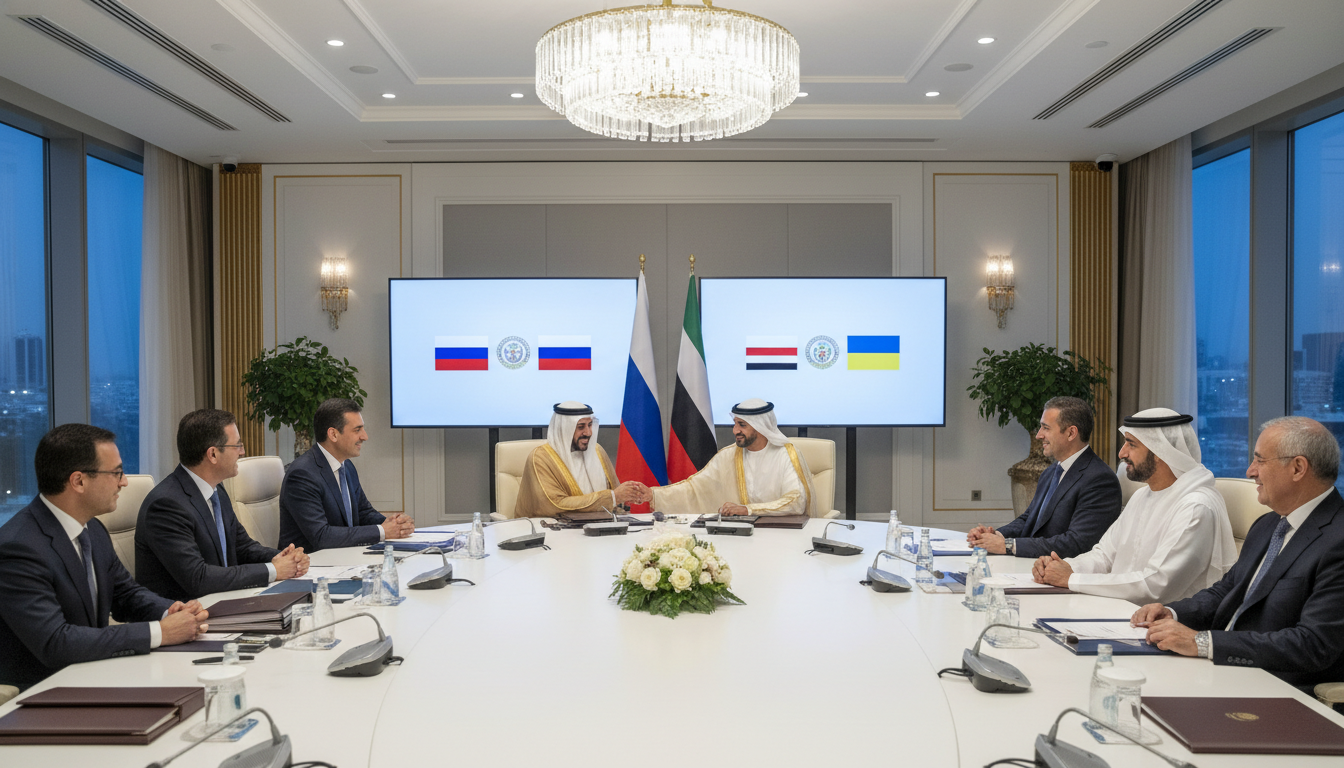
UAE mediation praised by Bahrain after 370-person Russia-Ukraine prisoner exchange
Bahrain welcomes UAE mediation success in a new Russia-Ukraine prisoner exchange, noting the UAE-mediated swap of 370 detainees and the Emirates’ role in securing 7,471 releases through 24 mediation operations.
Bahrain hails UAE mediation success
The Kingdom of Bahrain publicly welcomed the successful UAE mediation that resulted in a fresh prisoner exchange between the Russian Federation and Ukraine. Bahrain’s Ministry of Foreign Affairs described the swap of 370 detainees as a significant humanitarian and diplomatic achievement. Officials said the move should contribute to de-escalation and open space for renewed diplomatic engagement.
The ministry also commended the broader humanitarian outreach of the United Arab Emirates across multiple mediation efforts. Bahrain stressed that such interventions help reduce human suffering and create conditions more conducive to sustained dialogue.
Details of the prisoner exchange
According to Bahrain’s statement, the latest operation involved 370 individuals released by both sides in reciprocal measures. The ministry framed the exchange as an example of how third-party mediation can produce concrete humanitarian outcomes in protracted conflicts. No further operational details were provided in Bahrain’s public comments.
Bahrain emphasized that the exchange complements ongoing international efforts to protect civilians and prisoners of war. The statement underscored the importance of transparent, safe mechanisms for the transfer and repatriation of detainees.
UAE’s wider mediation record
Bahrain highlighted the cumulative impact of UAE-led mediation since the start of the Ukraine crisis, saying the Emirates have brokered 24 separate operations. The ministry credited the UAE with facilitating the release of 7,471 detainees in total through those initiatives. Bahrain framed those figures as evidence of sustained diplomatic engagement and pragmatic problem-solving.
UAE officials have presented their role as part of a broader humanitarian diplomacy agenda that seeks to use neutral channels to reduce tensions. Bahrain’s acknowledgment reinforces the perception among some regional states that the UAE has been actively leveraging diplomatic ties to achieve results on the ground.
Bahrain reiterates support for dialogue-driven solutions
In its formal remarks, Bahrain reiterated backing for regional and international initiatives aimed at resolving the conflict through dialogue and peaceful means. The ministry called for intensified diplomatic efforts to end hostilities and to address the humanitarian consequences facing affected populations. Bahrain described sustained negotiation and multilateral cooperation as essential to restoring stability.
The statement also emphasized Bahrain’s support for measures that protect civilians and uphold international humanitarian norms. Officials urged all parties and mediators to pursue constructive engagement and confidence-building measures.
Humanitarian impact and figures
Bahrain framed the prisoner releases as part of a larger humanitarian imperative to alleviate suffering caused by the conflict. By citing the total of 7,471 releases, the ministry sought to quantify the relief delivered through third-party mediation. The government portrayed these figures as a measurable benefit that complements humanitarian assistance and other relief efforts.
Analysts say prisoner exchanges can help reduce immediate human costs and create space for negotiating broader settlements, though they are not a substitute for comprehensive diplomacy. Bahrain’s focus on numbers and procedures aims to spotlight the practical dimension of mediation while urging continued attention to displaced civilians and other vulnerable groups.
Regional implications and next steps
Bahrain’s public praise of the UAE mediation signals broader Gulf support for diplomatic initiatives that lower tensions and deliver humanitarian outcomes. The statement suggests that Gulf Cooperation Council members may continue to endorse third-party engagement as a pathway to de-escalation. Bahrain also called on the international community to support initiatives that prioritize dialogue and protection of civilians.
Authorities in Bahrain invited renewed international cooperation to build on the momentum from prisoner exchanges and to push for durable ceasefire arrangements and negotiated settlements. The ministry framed such steps as necessary to bolster regional and global security.
This latest endorsement from Bahrain underscores a regional preference for pragmatic diplomacy and humanitarian intervention as tools to manage and eventually resolve the Ukraine crisis. The Kingdom’s remarks reiterate a call for sustained mediation, enhanced protective measures for non-combatants, and coordinated international support to transform temporary confidence-building measures into lasting progress.
