
UK to move to ban Iran’s Revolutionary Guard with new national security bill
UK government will introduce a bill to ban Iran’s Revolutionary Guard (IRGC), criminalising support, membership or public displays and proposing penalties up to 14 years’ imprisonment.
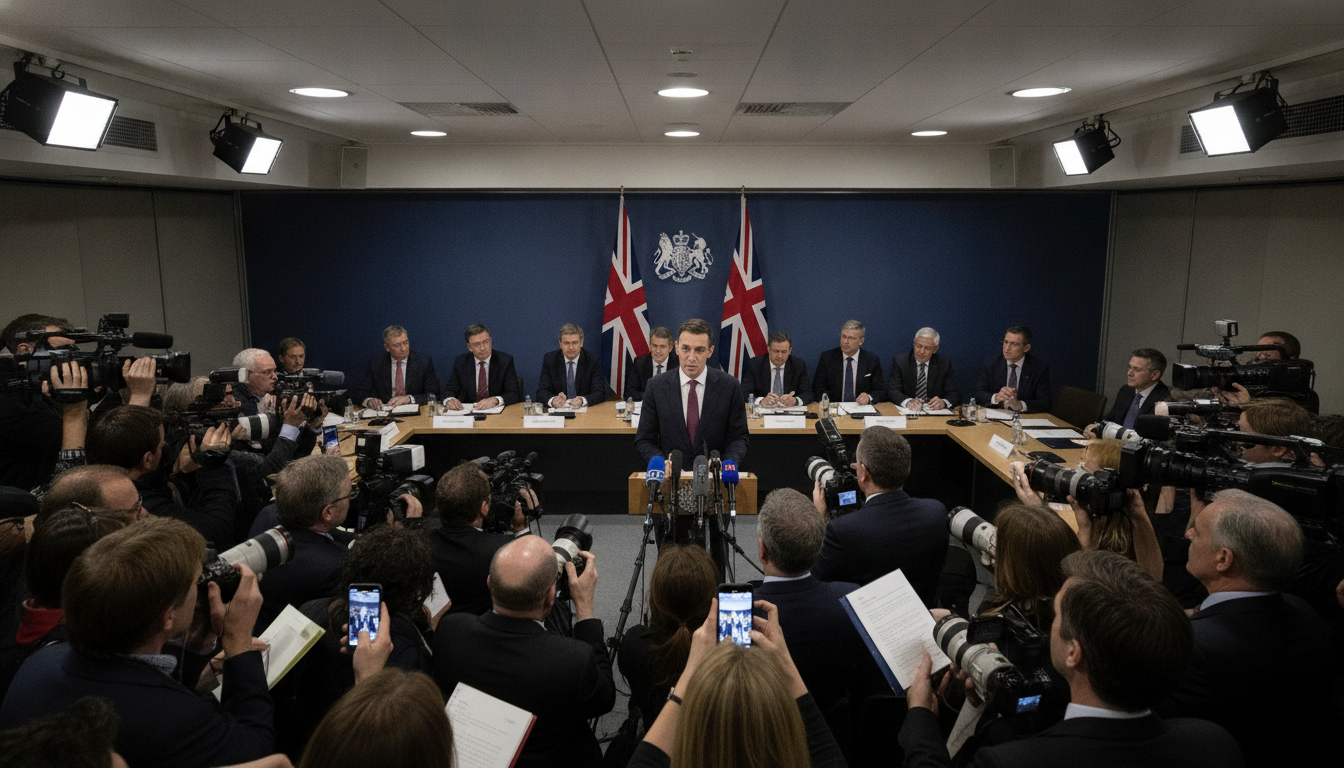
The UK government has unveiled plans to outlaw Iran’s Revolutionary Guard Corps (IRGC) as a threat to national security, presenting a draft bill to Parliament this week that would make membership, public attendance at its events or displaying its insignia a criminal offence. Prime Minister Keir Starmer said the legislation will carry penalties of up to 14 years in prison for anyone proven to have supported or assisted the listed organisations. Reuters reported that the measure also names groups linked to Russian military intelligence and an Iran-associated group accused by London of attacks on Jewish interests.
Government statement and legal framing
The bill, according to the government announcement, is framed as part of a broader package to strengthen protections against foreign influence and hostile activity. Ministers argue the move targets groups that deliberately threaten the UK’s national security and public safety. The draft law establishes offences for assistance, membership and public representation of proscribed organisations and sets out sentencing guidelines for prosecutors.
Officials say the legislation is designed to close legal gaps that, in their view, have allowed certain foreign-aligned groups to operate within UK borders. The government will set out the text in Parliament and expects statutory instruments and guidance to follow if the bill proceeds through legislative stages.
Penalties, enforcement and legal thresholds
Under the proposed measures, anyone found to have provided support or assistance to a proscribed group could face a prison sentence of up to 14 years. The proposal explicitly covers acts such as membership, attendance at organisational events and the public wearing or display of insignia linked to banned entities. Law enforcement agencies would be given powers to investigate alleged offences under the new framework.
Prosecutors will need to demonstrate the required elements of criminality, including intent or knowing assistance, to secure convictions. The government has indicated that operational guidance will be issued to police and prosecutors to ensure consistent application of the new offences and that safeguards will be included to protect legitimate political expression and lawful activity.
Other organisations named in the bill
Alongside the IRGC, the draft legislation reportedly lists a “Volunteer Corps” associated with Russia’s military intelligence apparatus and an organisation tied to Tehran that the UK accuses of conducting attacks on Jewish interests. Reuters first reported details of the groups named in the draft, which reflects the government’s intent to cast a wide net at organisations it regards as acting on behalf of hostile states.
The inclusion of multiple foreign-linked groups signals a coordinated legislative approach to address threats originating from different geopolitical actors. The government has not published the full list of designated groups in the public announcement, saying Parliament will receive the complete draft for consideration.
Parliamentary timetable and next steps
Downing Street said the bill will be laid before Parliament this week, initiating the parliamentary timetable for debate and scrutiny. If the draft follows normal procedure, it will pass through multiple readings in both Houses and be subject to committee review and possible amendment. The government expects the measure to be debated against the backdrop of wider national security legislation and international commitments.
Ministers will need to secure a parliamentary majority to enact the bill into law, and opposition parties and backbench MPs may press for tighter definitions or exemptions. Legal experts and parliamentary committees may also seek assurances on civil liberties protections and the thresholds for proscription.
Potential domestic and international reactions
The proposed ban is likely to draw swift responses from multiple quarters, with community groups, human rights organisations and foreign governments all poised to react. London’s decision to criminalise visible association with the IRGC could prompt statements from Tehran and may alter diplomatic dynamics between the UK and Iran. The government said it will publish further explanatory material to outline the scope and intent of the measures.
Jewish community leaders and security advisers, given the bill’s reference to organisations accused of attacks on Jewish interests, are expected to engage with ministers on implementation and protective measures. At the same time, civil liberties advocates will monitor how broadly the law is interpreted in practice.
Legal and practical implications for communities
If enacted, the law would have immediate implications for community organisations, cultural groups and individuals who may have ties—formal or informal—to named organisations. Legal advisers caution that the definitions of “membership” and “support” will be crucial in determining who falls within the law’s remit and how enforcement is carried out. The government has signalled that guidance and transitional arrangements will be provided to help affected parties understand their obligations.
Authorities will face the operational task of distinguishing between unlawful activity and protected expressions of opinion, advocacy or religious practice. Police and prosecutors will be asked to balance robust enforcement with respect for legal rights and freedoms.
The bill marks a significant escalation in the UK’s legislative approach to foreign-linked organisations deemed hostile, carrying far-reaching legal and diplomatic consequences if enacted.
