
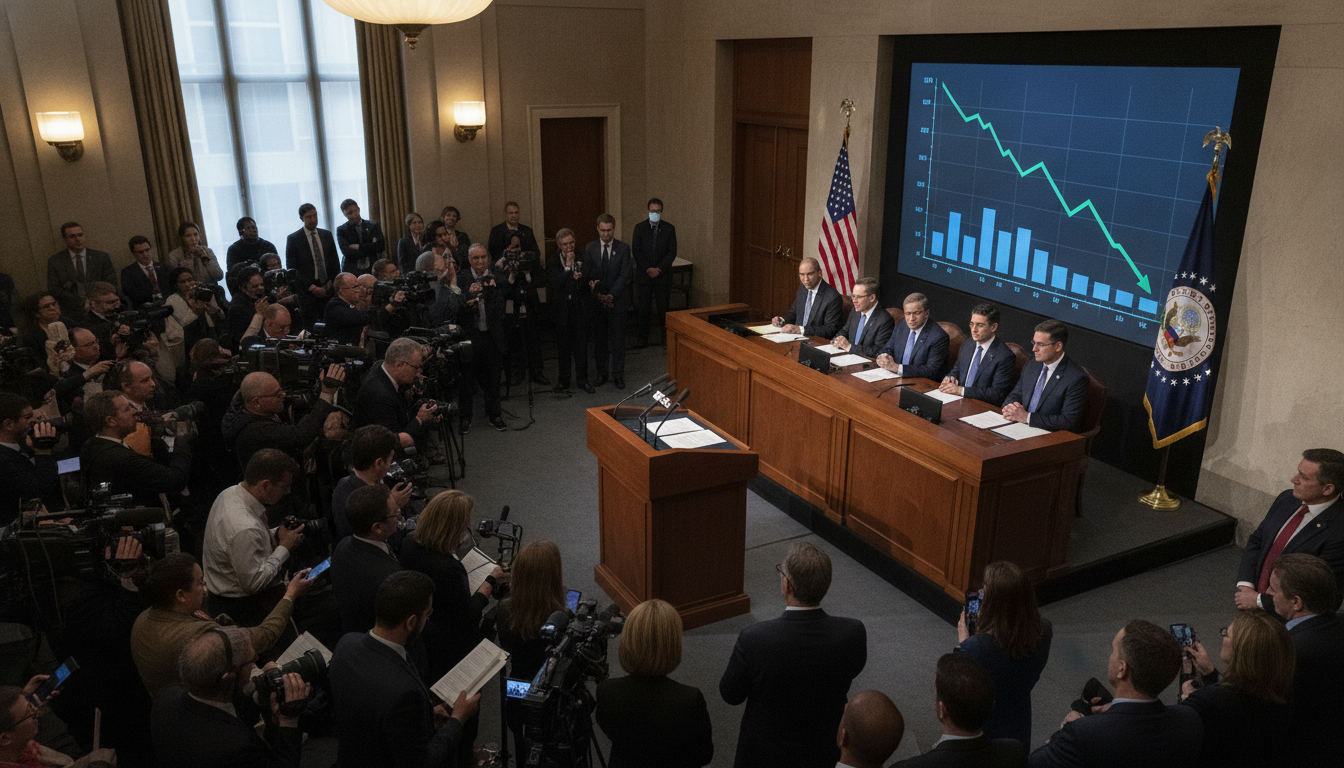
US mortgage rates fall as 30-year average drops to 6.43%, lowest since mid-May
US mortgage rates ease as Freddie Mac reports 30-year average falls to 6.43%, lowest since mid-May; 15-year rates also dip, reducing borrowing costs for buyers.
The average rate on a 30-year fixed mortgage in the United States fell to 6.43% this week, easing borrowing costs for prospective homebuyers and refinancers. Freddie Mac reported the decline on Thursday, noting the 30-year rate eased from 6.49% the prior week and from 6.67% a year earlier. The moderation in US mortgage rates offers a modest reprieve after several months of higher borrowing costs tied to broader bond market movements.
Freddie Mac data and the weekly change
Freddie Mac’s weekly survey showed the 30-year fixed rate at 6.43% for the current measurement period. This represents a small but meaningful drop compared with the prior week and marks the lowest 30-year average since mid-May, when the rate briefly reached 6.36%. The agency’s numbers are widely followed by lenders and market observers as a barometer of retail mortgage pricing across the country.
Movement in 15-year fixed mortgages
Shorter-term mortgages also registered declines, with the 15-year fixed rate falling to 5.79% this week. That is down from 5.84% the previous week and roughly in line with levels recorded a year earlier. The 15-year product remains popular for homeowners seeking to refinance into faster amortization, and small changes in that rate can materially affect monthly payment calculations for borrowers.
Historical context and the mid-May reference
The recent dip places the 30-year mortgage rate at its lowest level since May 14, when Freddie Mac recorded a 6.36% average. Rates have fluctuated in recent months amid volatility in the Treasury market and shifting expectations about Federal Reserve policy. For consumers weighing home purchases or refinancing, those mid-May levels serve as a reference point for how much rates can move within a relatively short period.
How Fed policy and Treasury yields influence mortgages
Mortgage rates typically track the yield on the 10-year U.S. Treasury note, which reflects investor expectations for growth and inflation. Decisions and forward guidance from the Federal Reserve shape those expectations, so changes in Fed messaging or economic data often ripple through bond yields and then into mortgage pricing. In recent weeks, softer inflation readings and mixed growth signals have helped push Treasury yields and mortgage rates slightly lower.
Implications for buyers, sellers and refinancers
A decline in US mortgage rates can widen affordability for some buyers by lowering monthly payments and improving purchasing power. For homeowners considering refinancing, even small rate drops on 15- and 30-year products can translate into significant interest savings over the life of a loan. However, decisions to buy or refinance still depend on local housing supply, price trends, and individual financial situations, so consumers should model scenarios with up-to-date lender quotes.
Market signals and what to watch next
Investors and analysts will watch upcoming Treasury auctions, inflation reports and any comments from Federal Reserve officials for clues about the path of interest rates. Movement in global risk sentiment and shifts in demand for safe-haven assets can also move yields and influence mortgage pricing. Lenders may adjust margins and borrower pricing in response to wholesale funding costs, so retail rate quotes can vary across institutions even when national averages move modestly.
Looking ahead, prospective borrowers should shop multiple lenders, review rate-lock options and consider how long they plan to hold a mortgage when deciding whether to lock a rate or float. Mortgage rates can change quickly in response to economic surprises, and comparing offers remains the most reliable way to secure competitive pricing in a shifting market.
