
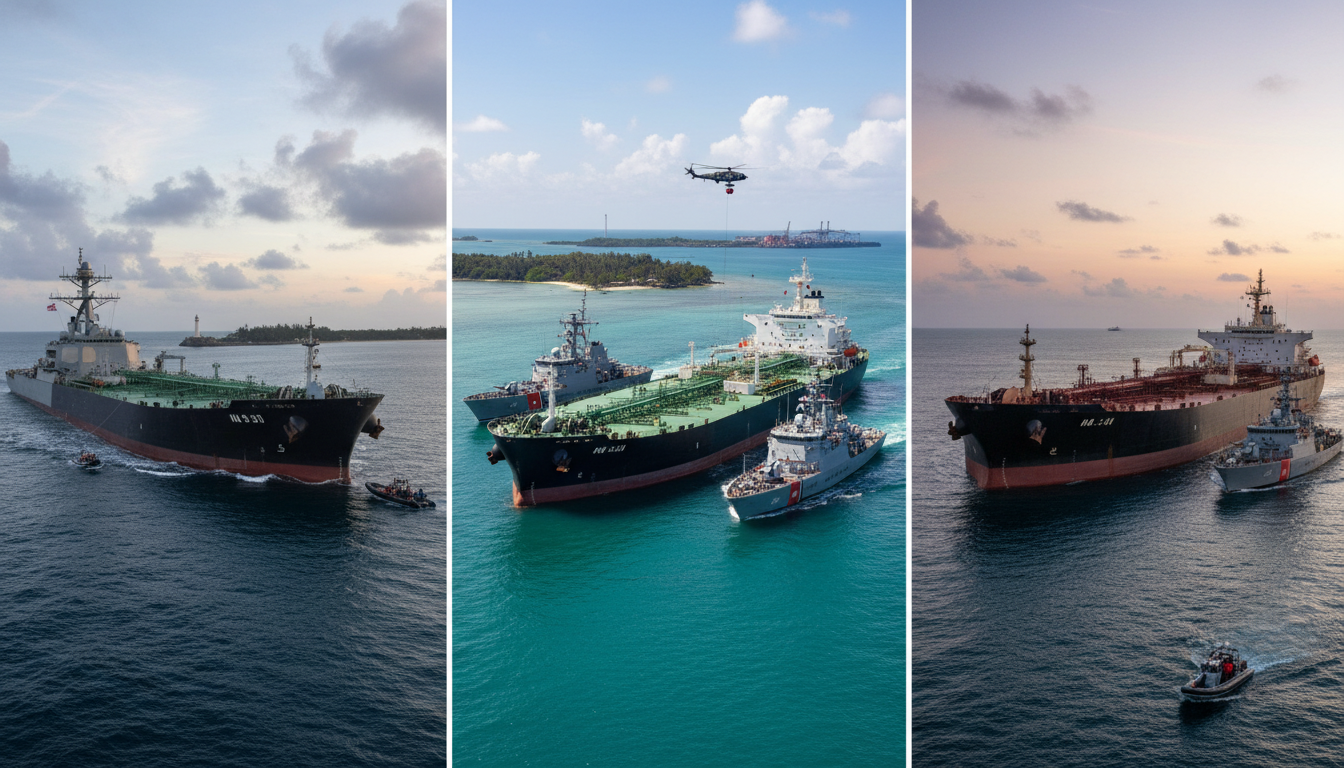
US intercepts Iranian oil tankers in Asian waters and redirects vessels away from India, Malaysia and Sri Lanka
US military intercepted at least three Iranian-flagged oil tankers in Asian waters, redirecting them away from positions near India, Malaysia and Sri Lanka.
The US intercepts Iranian oil tankers, according to sources in shipping and security sectors, after vessels flying Iranian flags were detected operating near key regional coastlines. Military units intervened to alter the tankers’ courses, steering them away from areas close to India, Malaysia and Sri Lanka, sources said. The development signals heightened maritime vigilance amid ongoing regional tensions and concerns over vessel movements.
US military redirects Iranian-flagged tankers
The US military conducted maneuvers to change the routes of the vessels after identifying them in Asian maritime zones. Naval and maritime security units executed intercept operations designed to avoid escalation while asserting navigational control over commercial sea lanes. Officials described the actions as precautionary measures to prevent potential incidents near busy coastal waters.
Reported locations near India, Malaysia and Sri Lanka
Sources reported the tankers were operating in proximity to established shipping approaches off India, Malaysia and Sri Lanka when interception efforts began. The presence of large, crude-carrying tankers near these coastlines raised alarms because of the density of commercial and fishing traffic in the same corridors. Redirecting the vessels removed them from immediate vicinity of coastal infrastructure and maritime chokepoints used by regional trade.
Details from shipping and security sources
People familiar with the situation, speaking to journalists on condition of anonymity, said at least three vessels flying Iranian flags were affected. Those sources included contacts in commercial shipping and regional security networks who monitor vessel movements. They indicated the intercepts were handled by US forces with an emphasis on rerouting rather than seizure, and did not report clashes or direct confrontations.
Regional strategic and security considerations
The movement of Iranian-flagged tankers near South and Southeast Asian shores has raised strategic concerns among coastal states and shipping operators. Governments in the region have been attentive to any naval or commercial activity that could heighten tensions or threaten safe passage for merchant vessels. The recent rerouting reflects a cautious approach to balancing maritime security with freedom of navigation in congested sea lanes.
Potential impact on commercial shipping and energy markets
Commercial shipping operators and insurers monitor such incidents closely because changes to vessel routes can affect transit times and costs. Tanker diversions, even if temporary, may prompt adjustments in chartering, scheduling and insurance premiums for voyages through the Indian Ocean and adjacent seas. Energy market analysts note that while a small number of rerouted vessels is unlikely to disrupt global oil supplies, persistent maritime friction can add to volatility and raise logistical expenses.
Legal and diplomatic dimensions of maritime interception
Interceptions of commercial vessels on the high seas invoke complex legal and diplomatic questions under international maritime law. Coastal and flag states retain specific rights and responsibilities, while naval forces engaging in rerouting operations must navigate legal frameworks for boarding, inspection or escort. Diplomats and legal advisers in affected countries typically seek clarity on the grounds for interception and the assurances provided to commercial operators about their cargo and crew safety.
The incident underscores growing maritime scrutiny in the region as states and private operators work to safeguard shipping corridors. Authorities and industry observers will watch for official statements from flag states and regional governments to determine whether further actions or clarifications follow. Continued monitoring of vessel tracking data and coordination among navies and coast guards will be central to preventing misunderstandings and ensuring safe passage for commercial traffic.
