
US sanctions Iran drone suppliers in China and Hong Kong ahead of US‑China meeting
US Treasury sanctions 10 individuals and firms, including entities in China and Hong Kong, accused of supplying parts and raw materials for Iran’s Shahed drones.
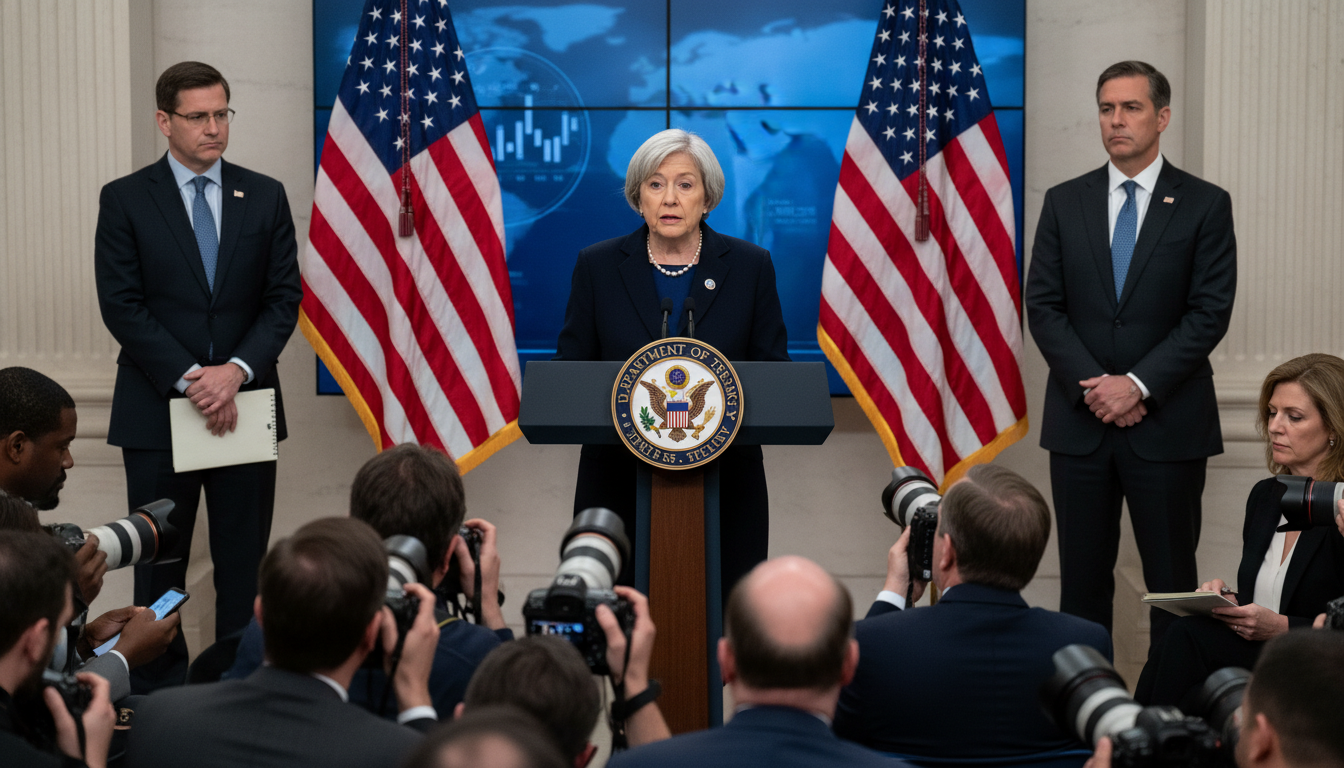
The US Treasury announced sanctions on 10 individuals and companies accused of acting as Iran drone suppliers, saying they helped Tehran procure parts and raw materials used to manufacture Shahed unmanned aerial vehicles.
The move targets firms and facilitators in multiple jurisdictions, including China and Hong Kong, and comes days before a scheduled meeting between the US and Chinese heads of state.
Details of the Treasury designations
The sanctions list names 10 people and entities alleged to have assisted Iran’s military in obtaining components and raw materials for drone production.
Designated parties face US asset freezes and secondary restrictions that prohibit US persons from dealing with them, according to the Treasury announcement.
The Treasury said the measures are aimed specifically at networks that facilitate procurement and supply chains for Iran’s unmanned aerial systems.
Officials described the designations as an effort to choke off foreign access to the materials and technologies that sustain Shahed-class drones.
Geographic reach includes China and Hong Kong
Several of the sanctioned entities are based in mainland China and Hong Kong, reflecting a cross-border procurement network, the Treasury said.
Authorities indicated the network used intermediaries and commercial fronts to obscure shipments and evade export controls.
Sanctions against actors in Greater China underscore the global footprint of the supply chains that sustain Iran’s drone programme.
The designations also signal heightened US scrutiny of firms and individuals that participate, knowingly or unknowingly, in diversion of dual‑use goods.
Links to Shahed drone manufacturing explained
Treasury officials linked the designated parties to procurement of raw materials, specialized parts and logistics services that are essential to producing Shahed-series drones.
Shahed drones have been widely documented in recent conflicts and their production depends on an international web of suppliers for engines, avionics and composite materials.
By disrupting upstream suppliers and middlemen, the Treasury intends to raise the cost and complexity of Iran’s drone manufacturing.
The designations focus on choke points in the supply chain rather than on end‑user strikes, reflecting a sanctions strategy that targets procurement networks.
Timing coincides with high‑level US‑China engagement
The announcement arrives days before a planned meeting between the US President and China’s leader, adding a diplomatic dimension to the enforcement action.
US officials framed the timing as part of ongoing counter‑proliferation efforts rather than a direct comment on bilateral talks, while also signalling expectations of cooperation on export controls.
Observers say the measures could complicate discussions if Beijing views the designations as implicating Chinese entities, while Washington stresses the action targets misconduct rather than country status.
The move also illustrates how national security measures can intersect with broader geopolitical engagements between the two powers.
Implications for regional security and trade compliance
Regional security analysts said the sanctions aim to curb the flow of materials that enable attacks using drones, which have altered threat perceptions across the Middle East.
Sanctions that reduce access to critical components could slow production, but experts caution that determined networks often shift routes and suppliers.
Companies operating in the region and multinational traders will likely reassess compliance programs to avoid secondary exposure to designated parties.
Governments in the Gulf and trade hubs will monitor shipments more closely as enforcement agencies broaden scrutiny of supply chains tied to unmanned systems.
The Treasury action underscores a broader US strategy to use financial measures to limit Iran’s military procurement, particularly in the domain of unmanned aerial systems.
Authorities emphasised that merchant firms, freight forwarders and brokers can face penalties if they knowingly facilitate transfers to sanctioned programmes.
The designations signal a continued focus on the suppliers and intermediaries that make drone production possible, while diplomatic channels seek to manage tensions arising from enforcement and ongoing international talks.
